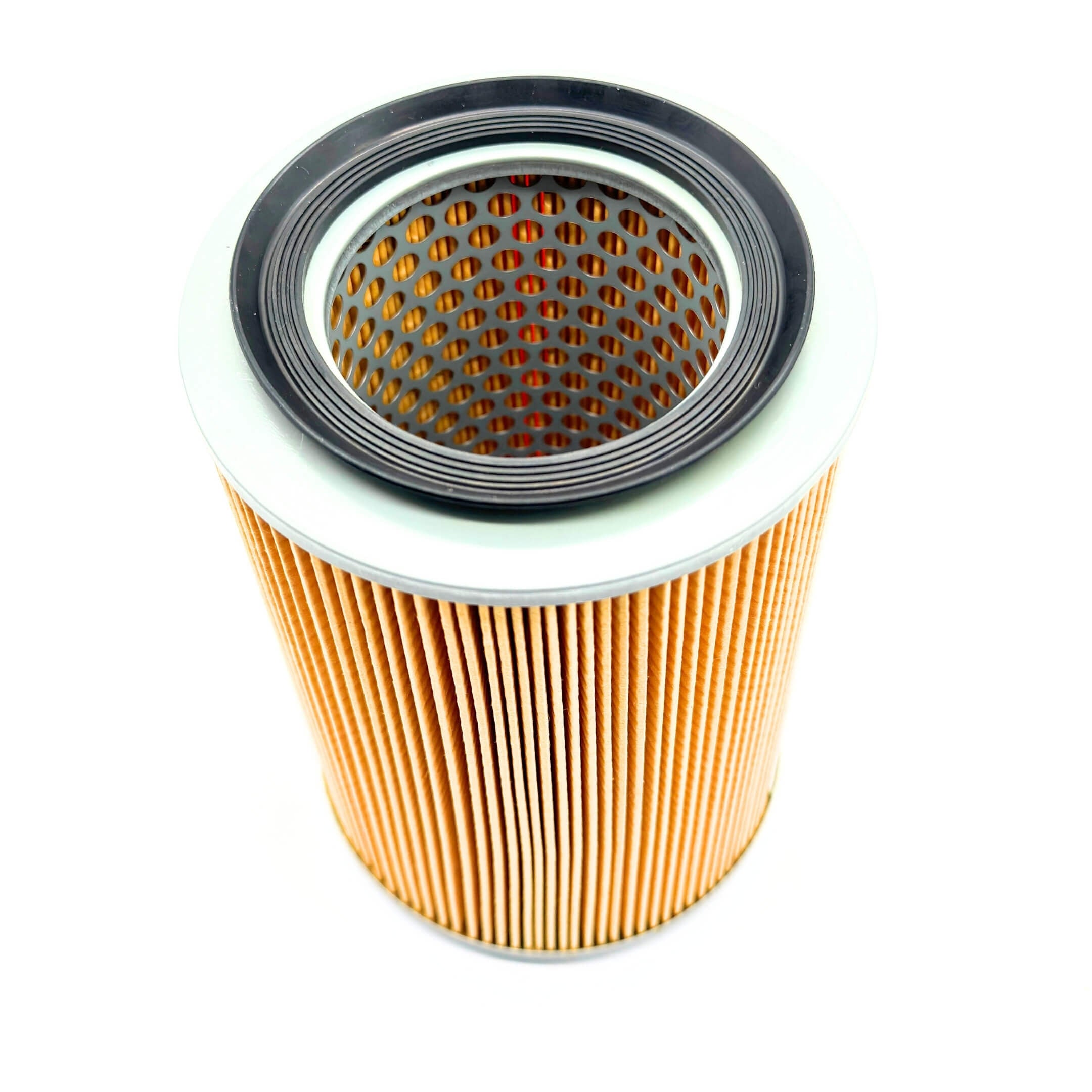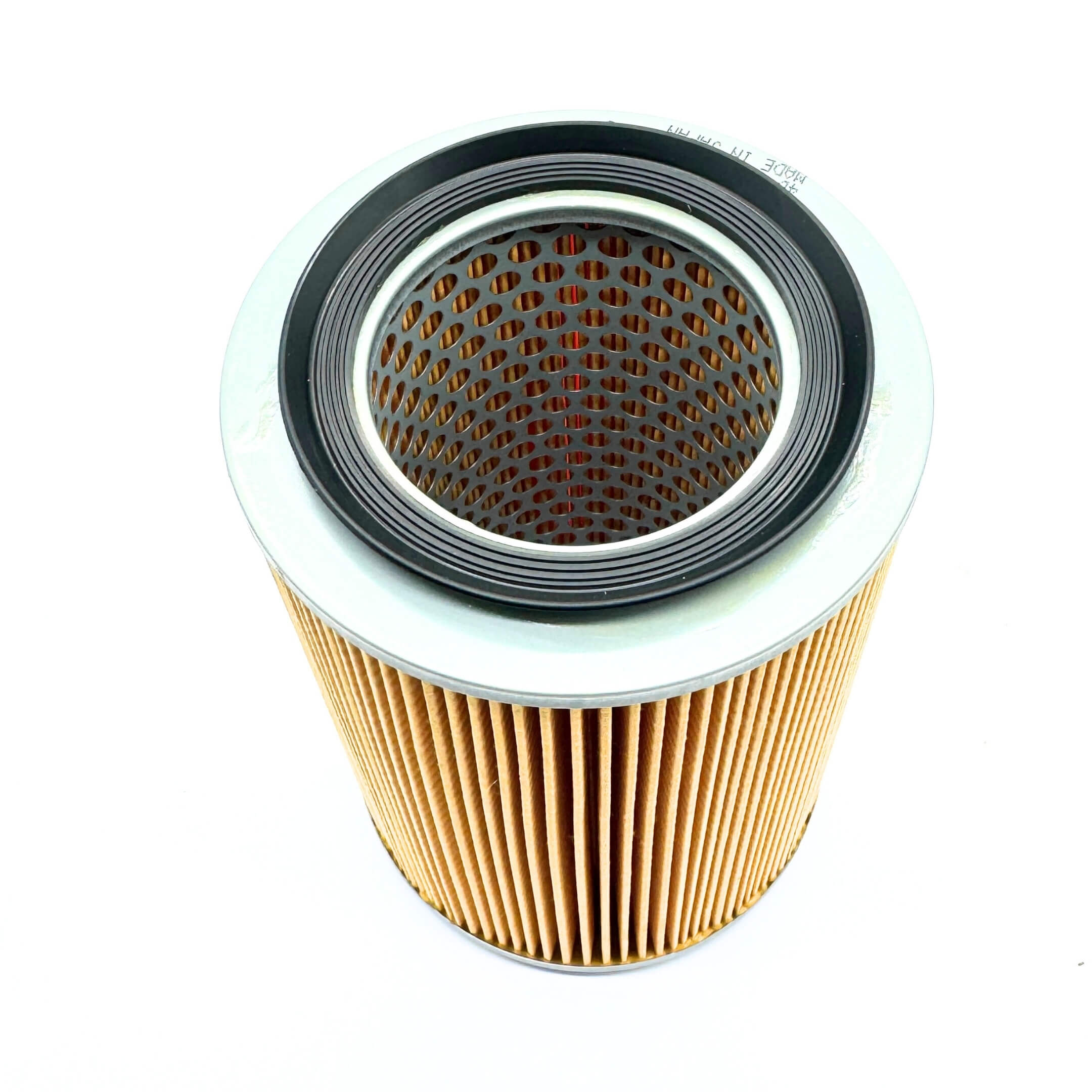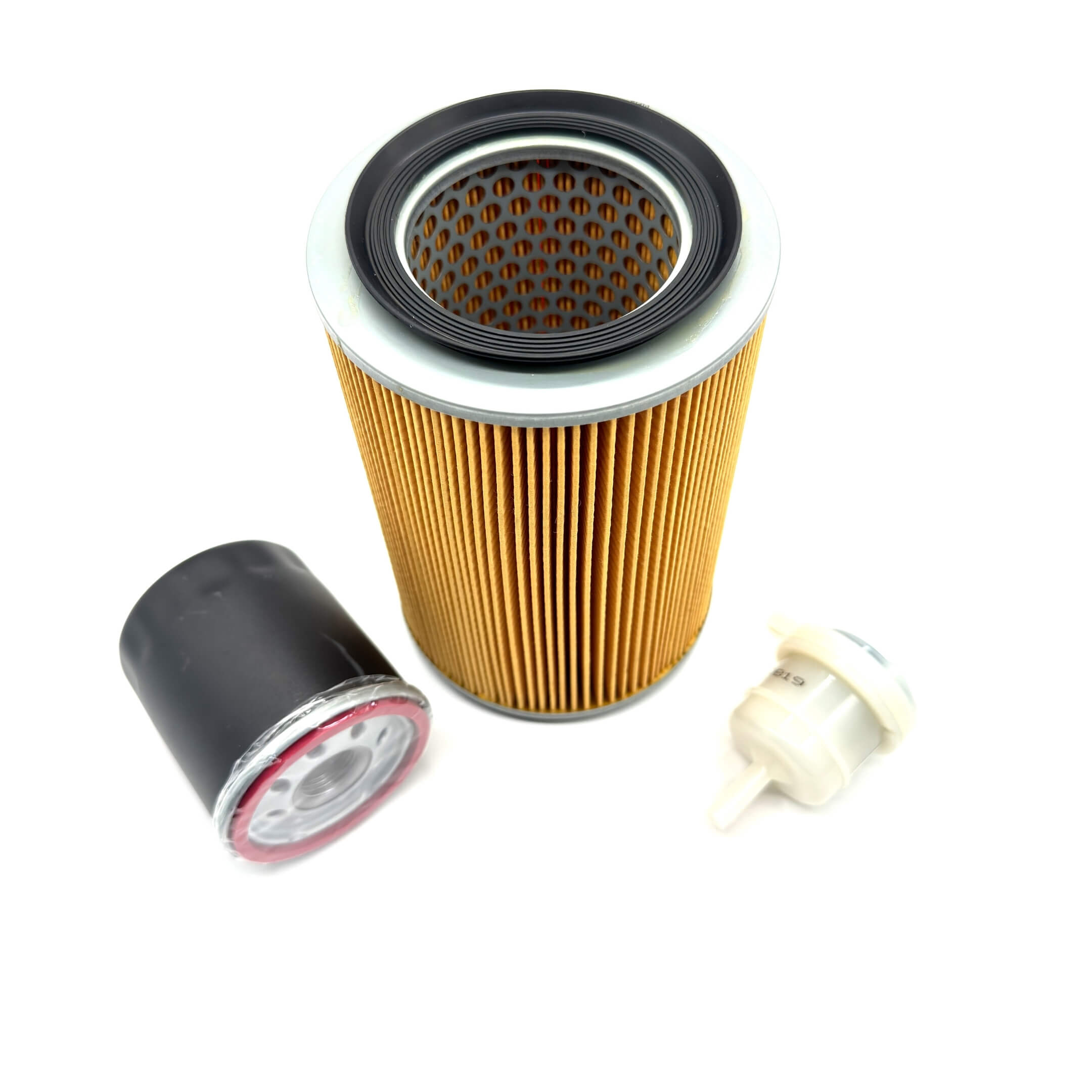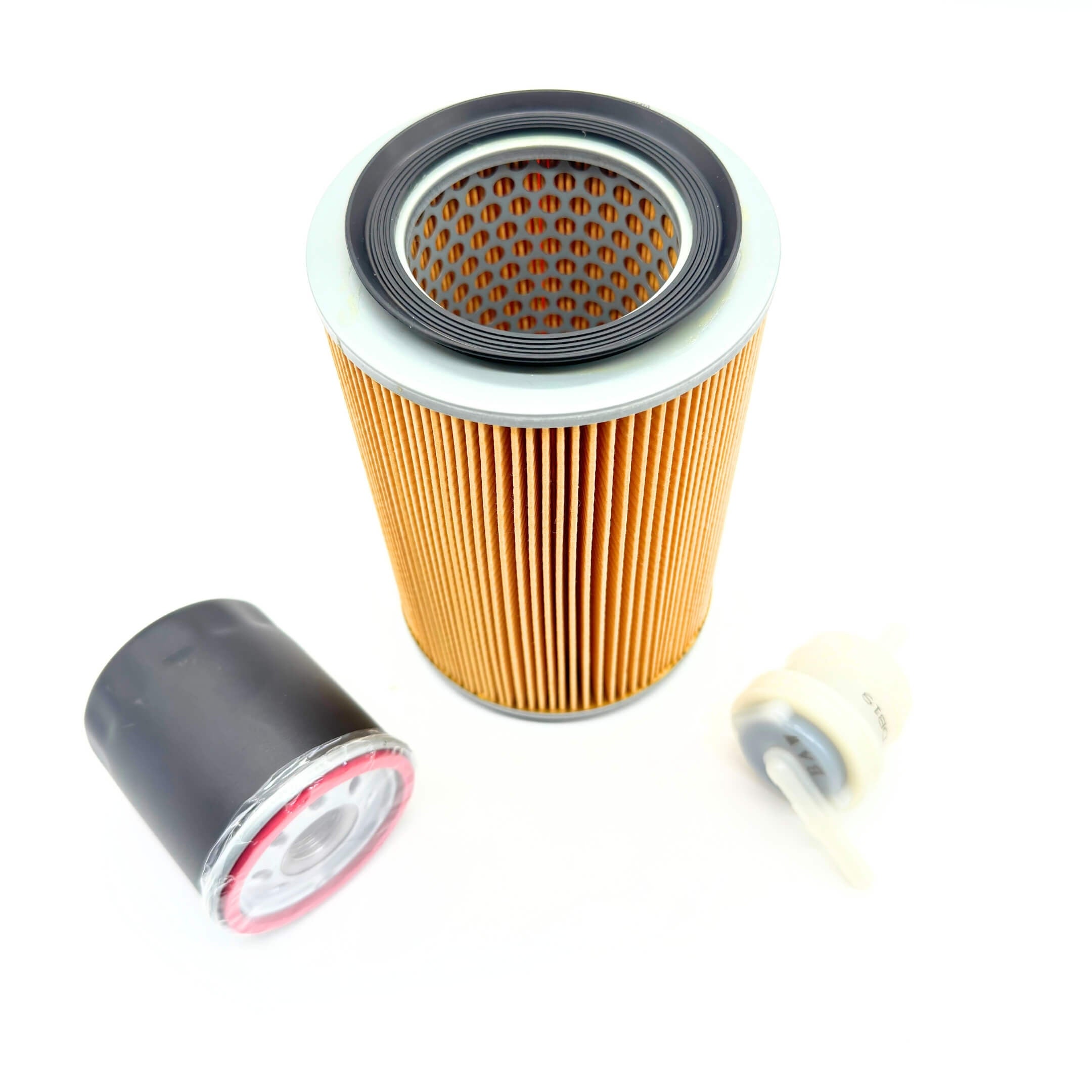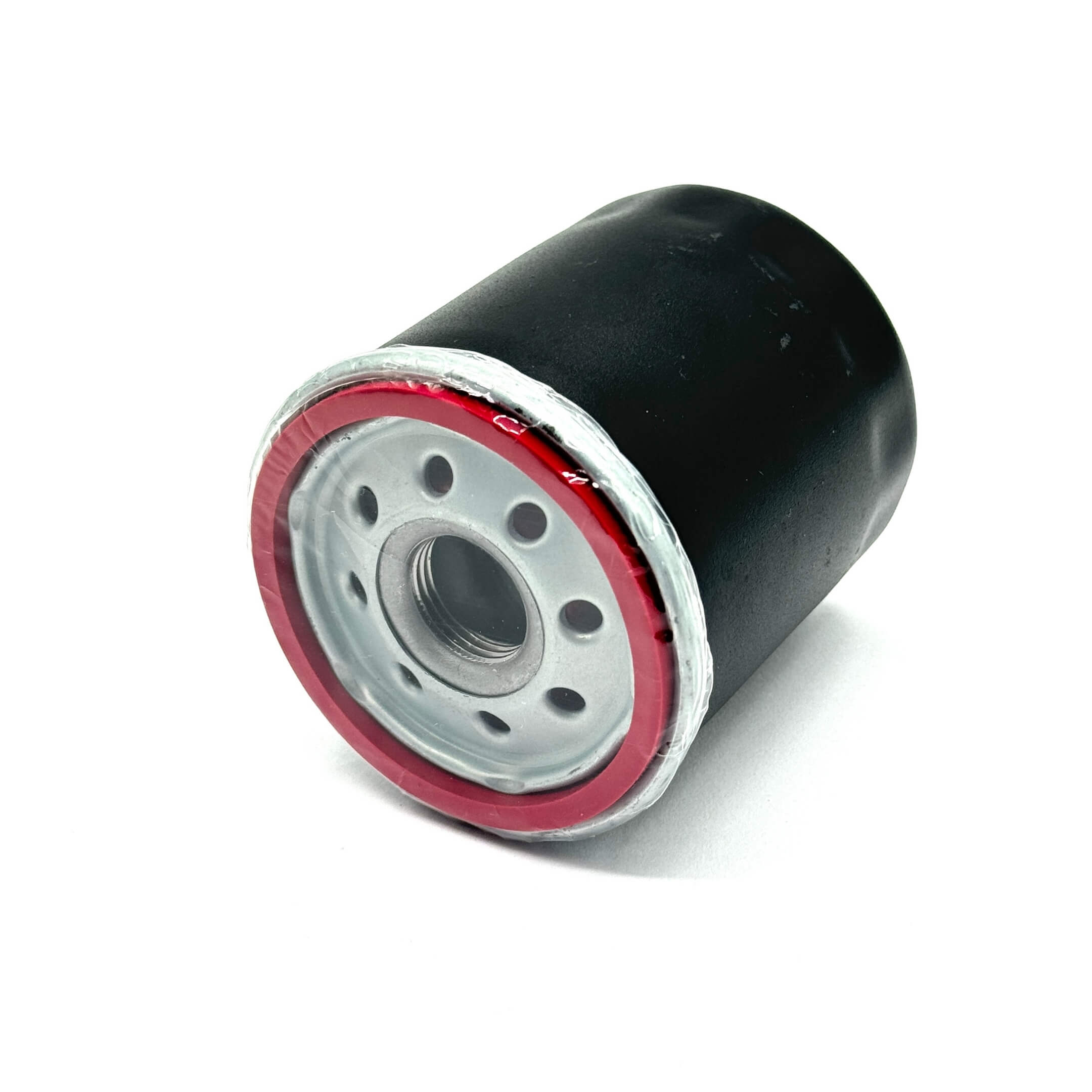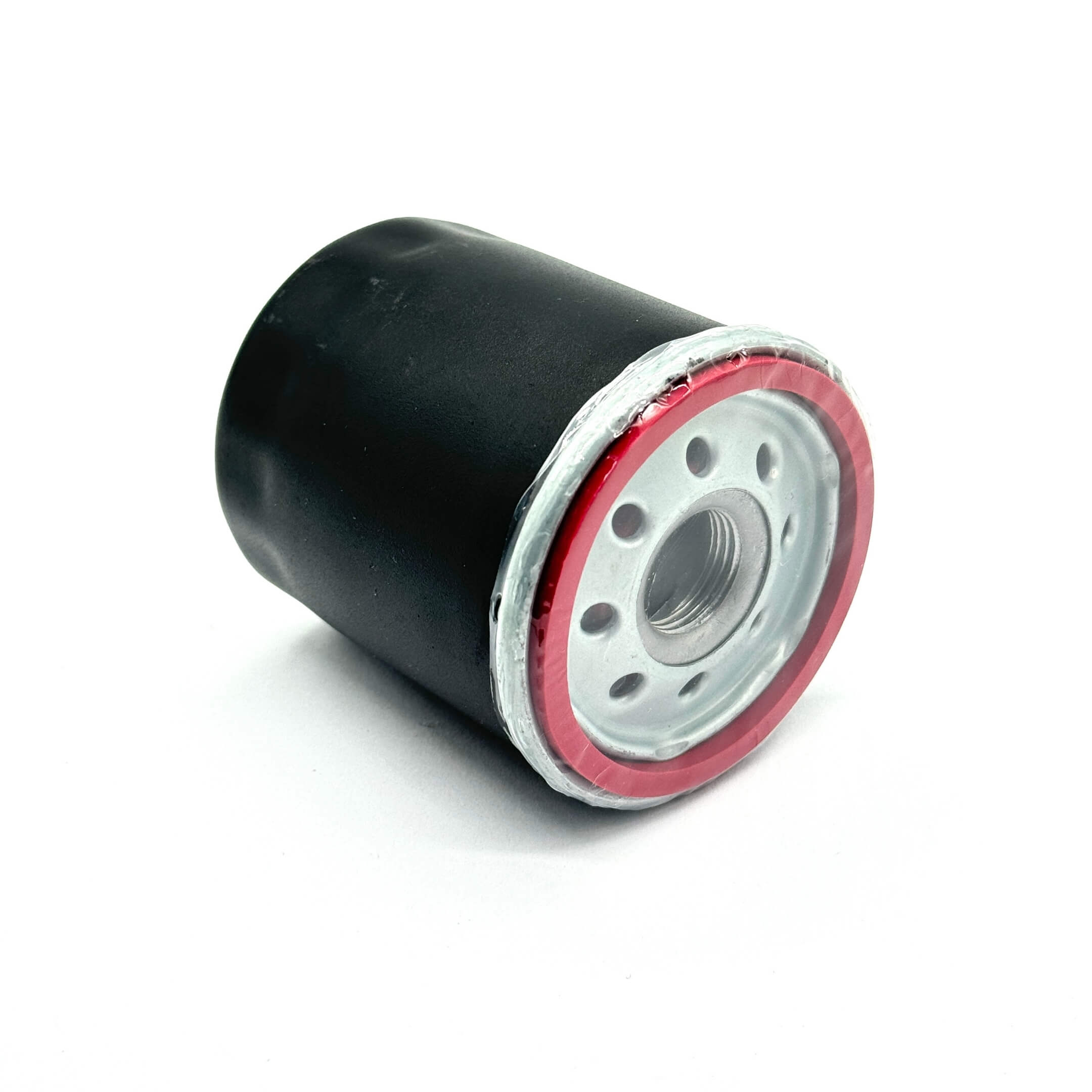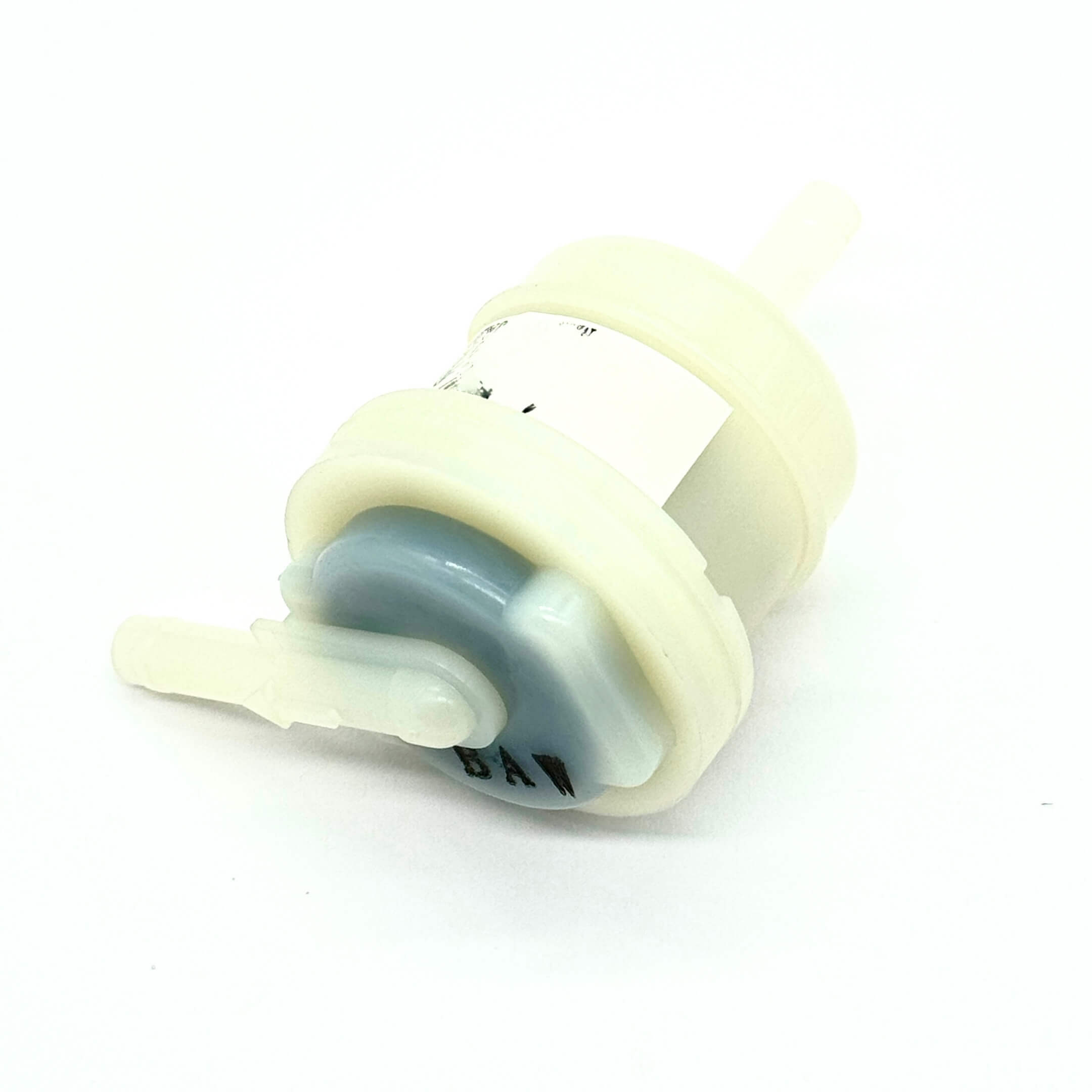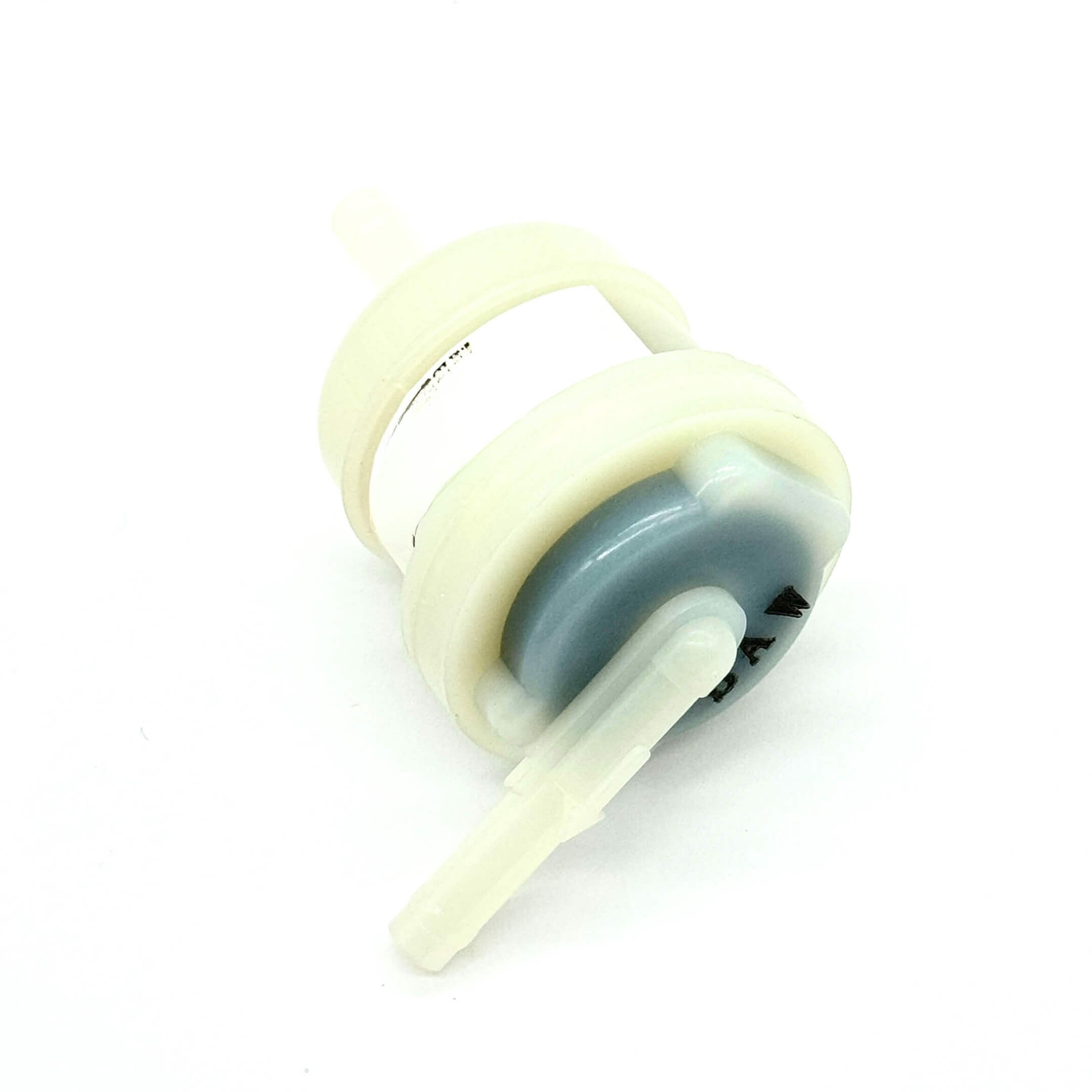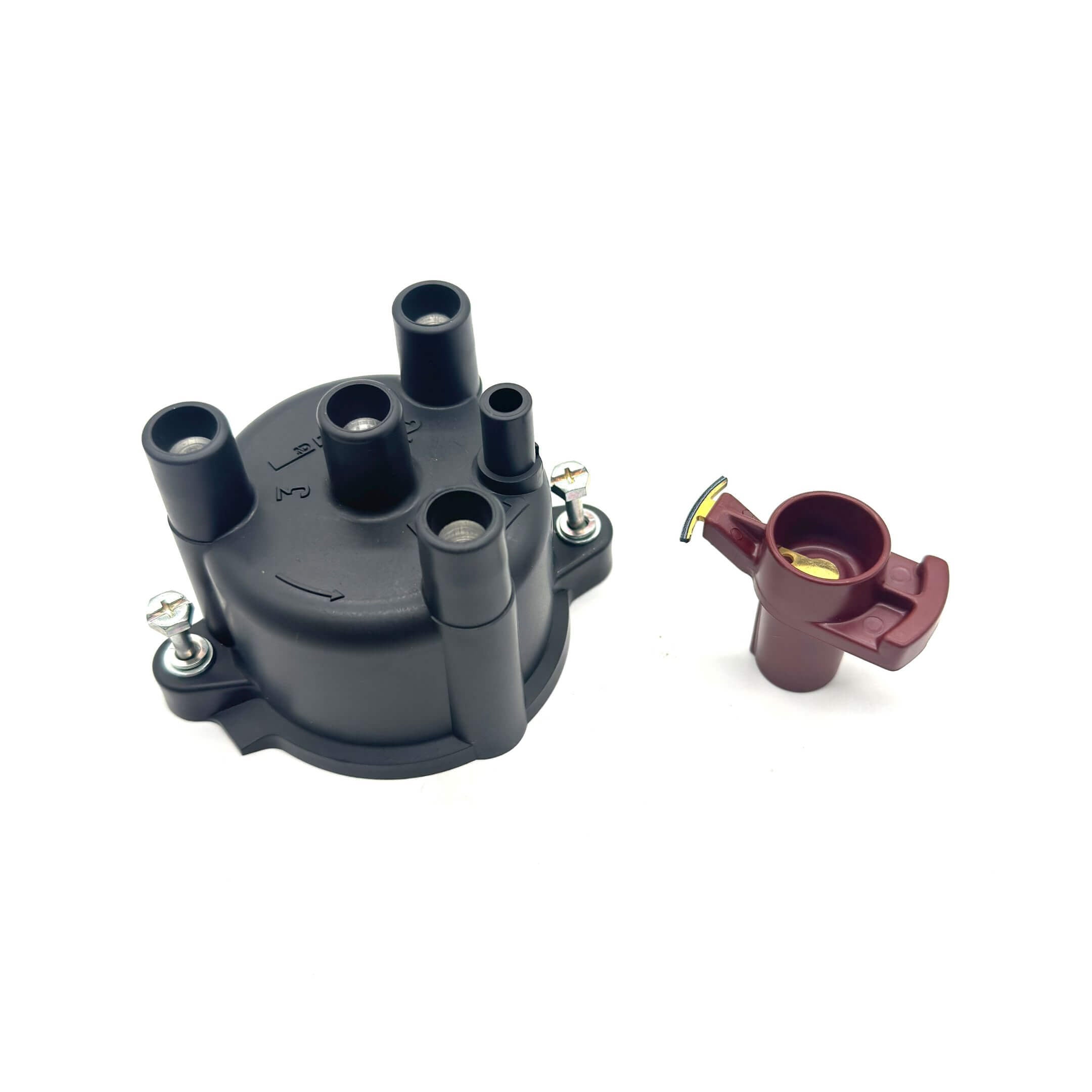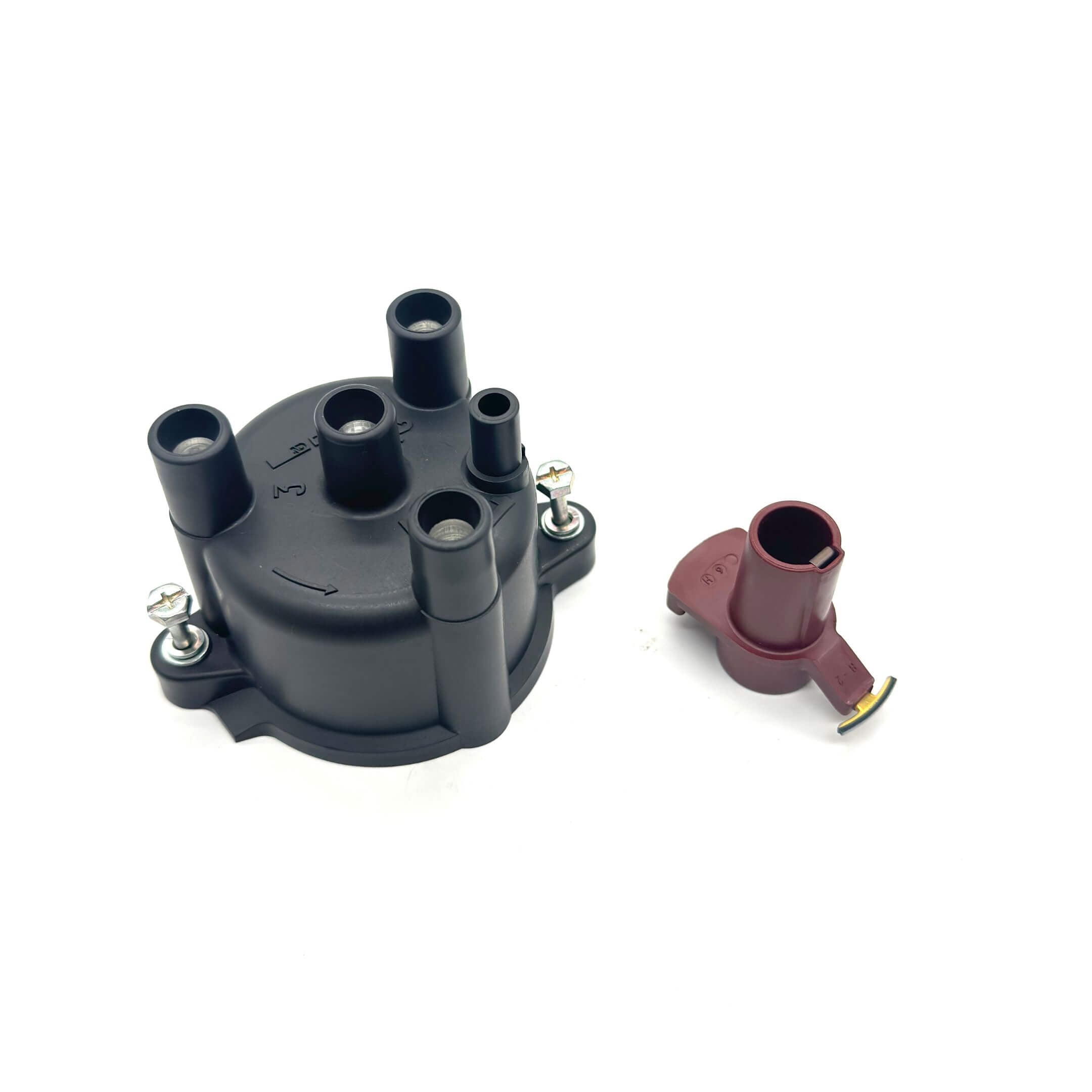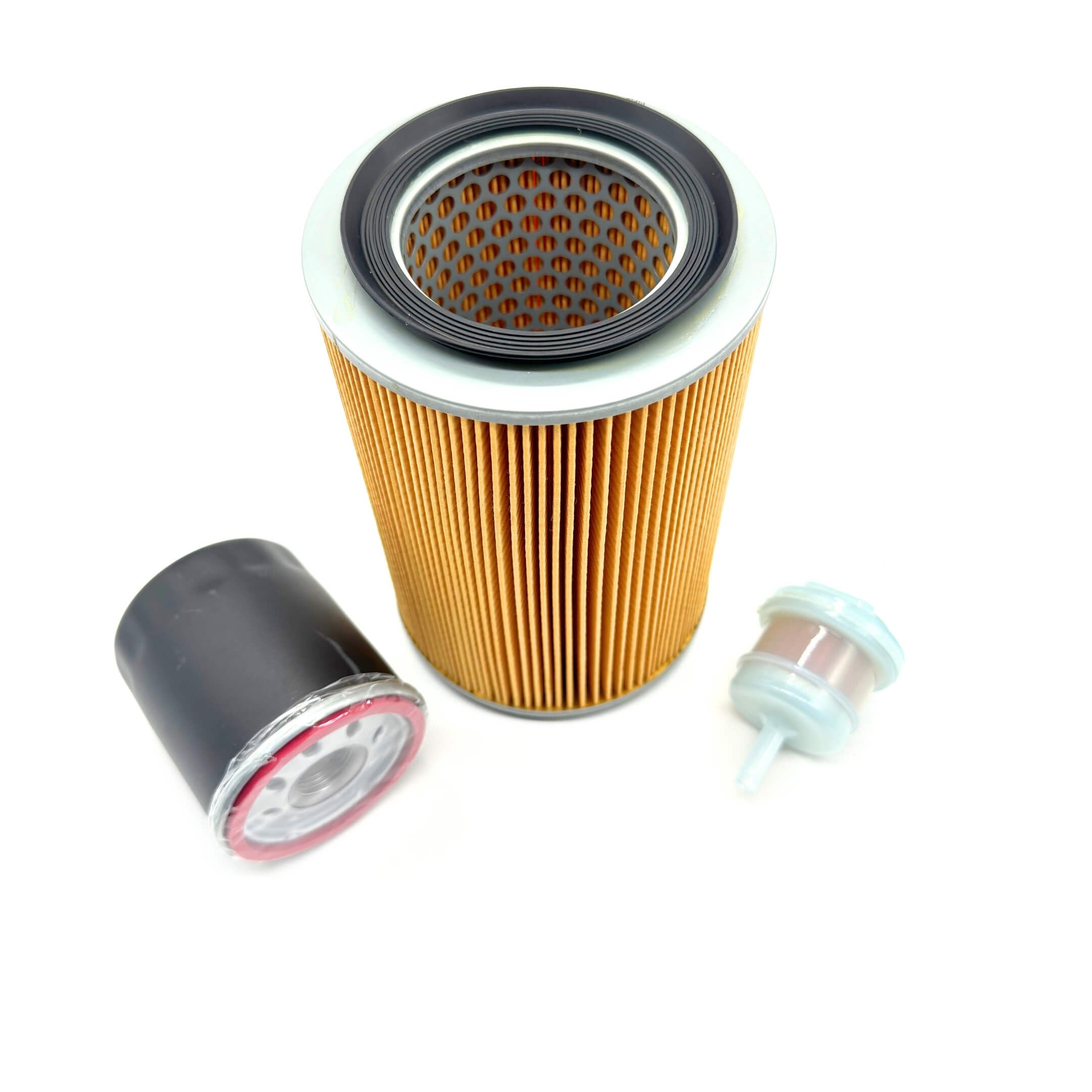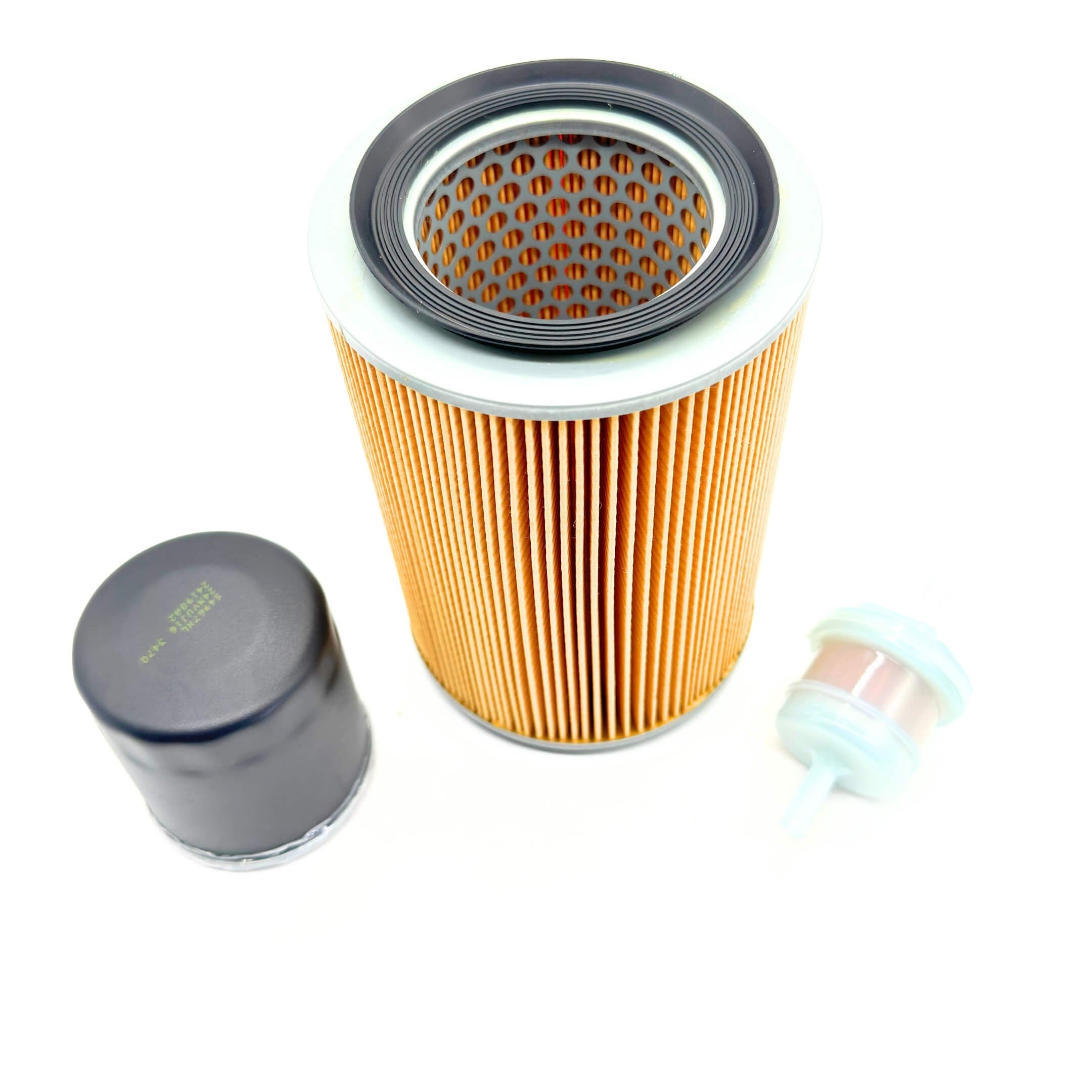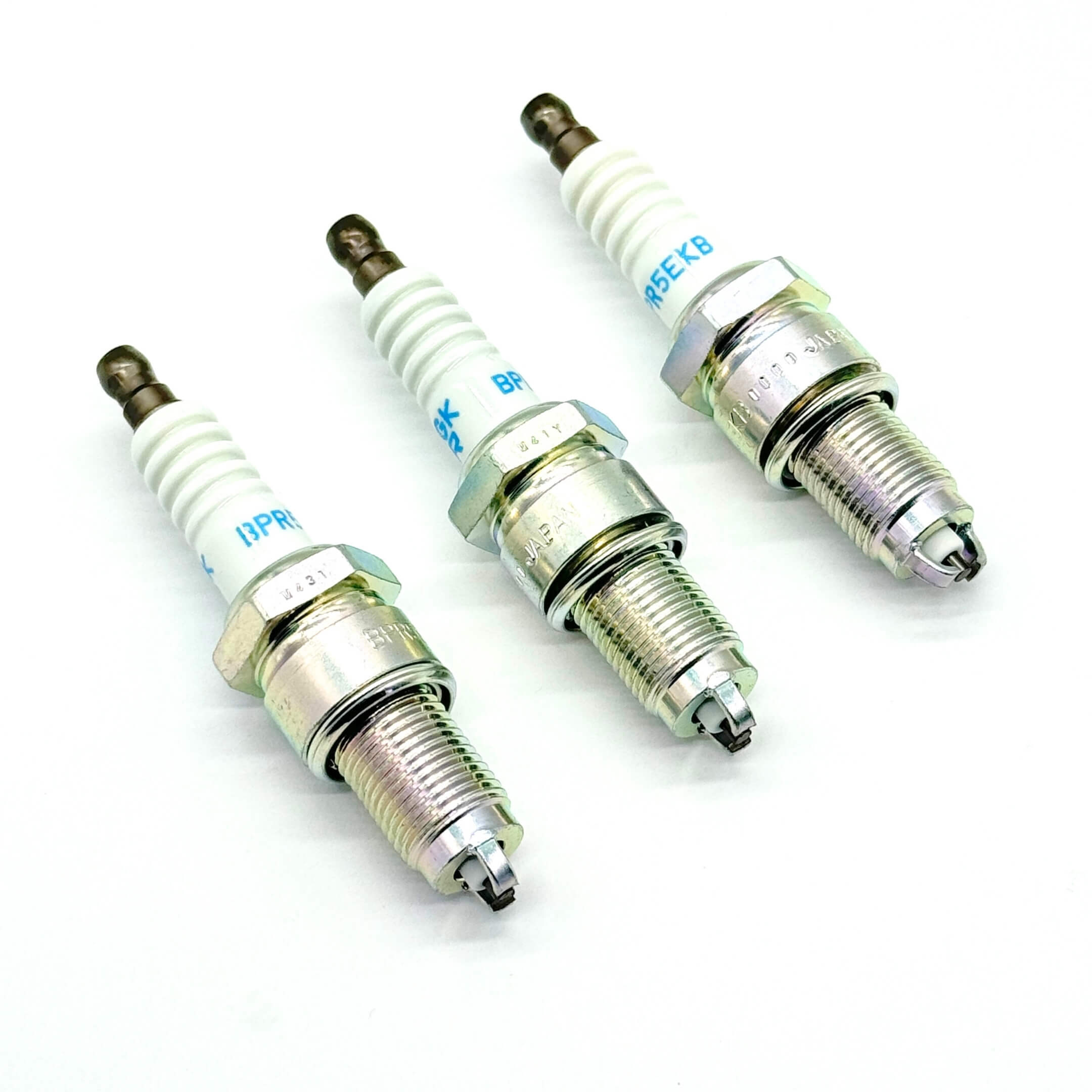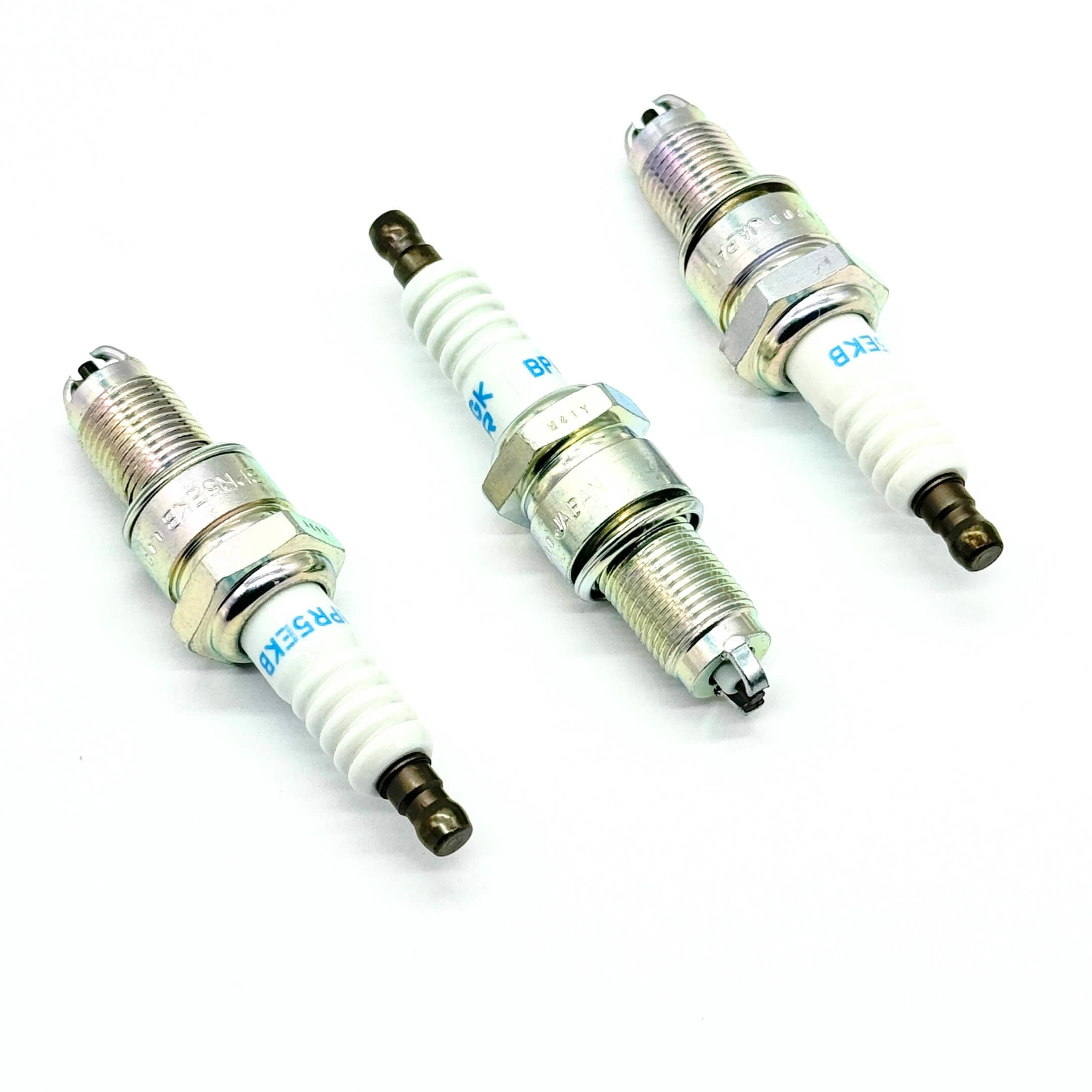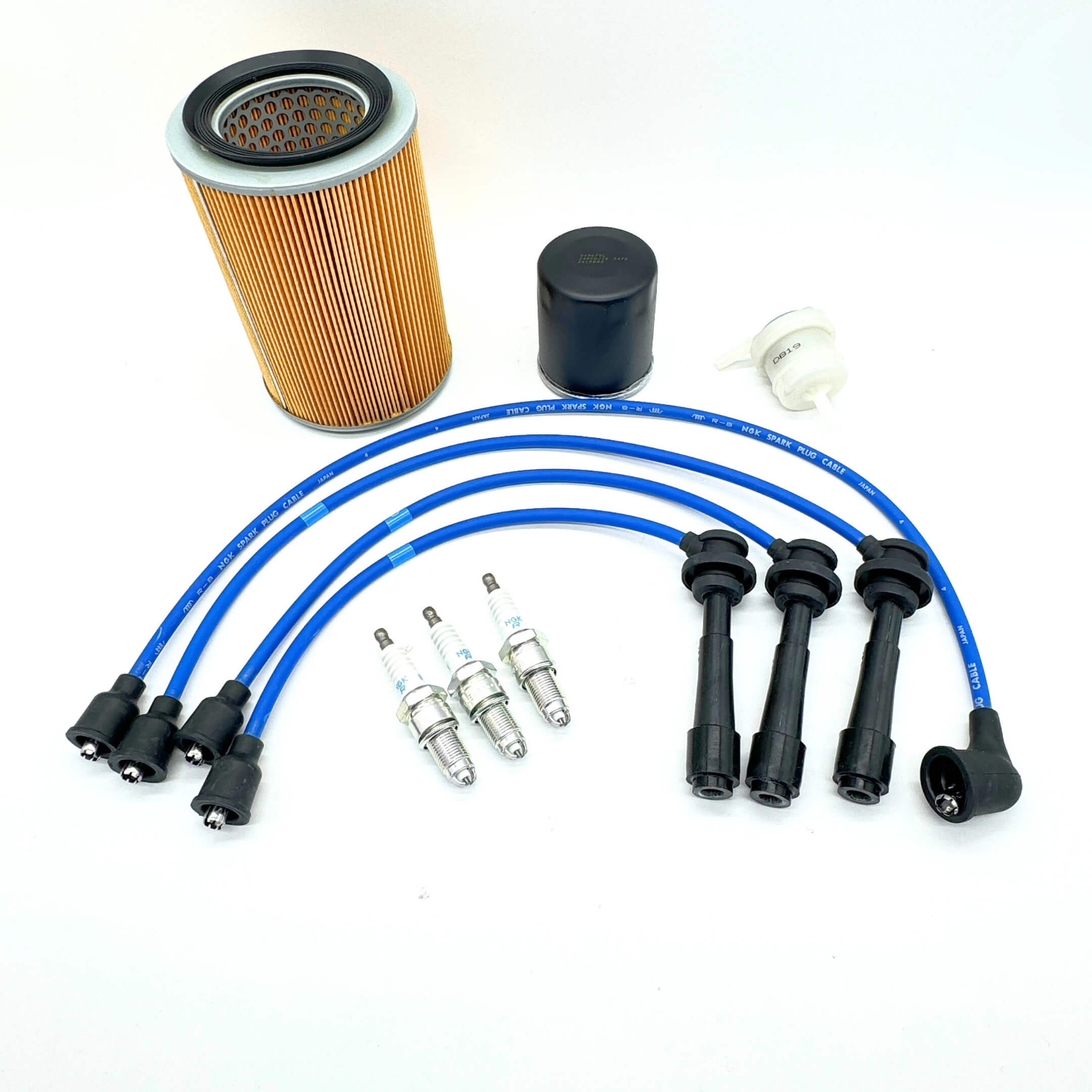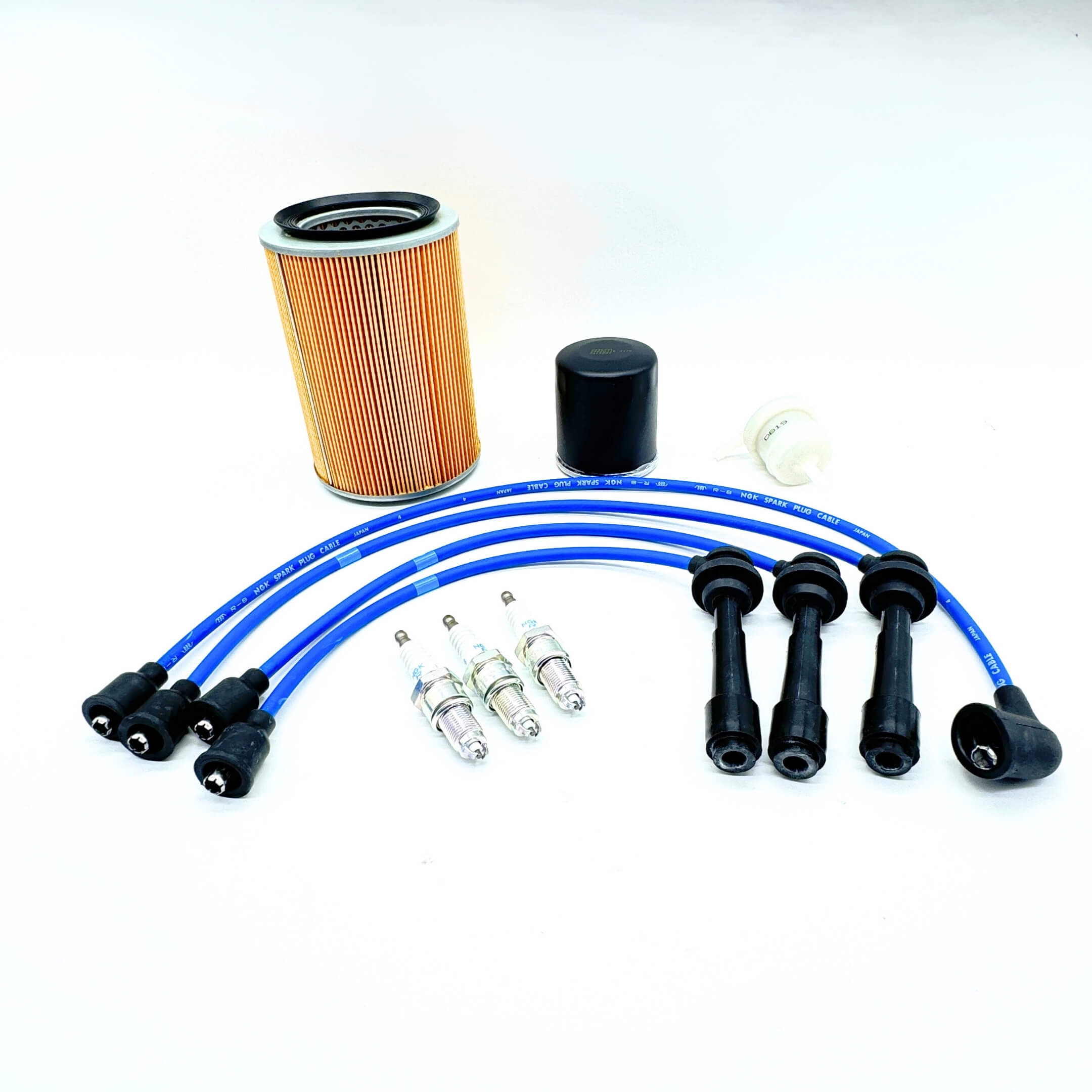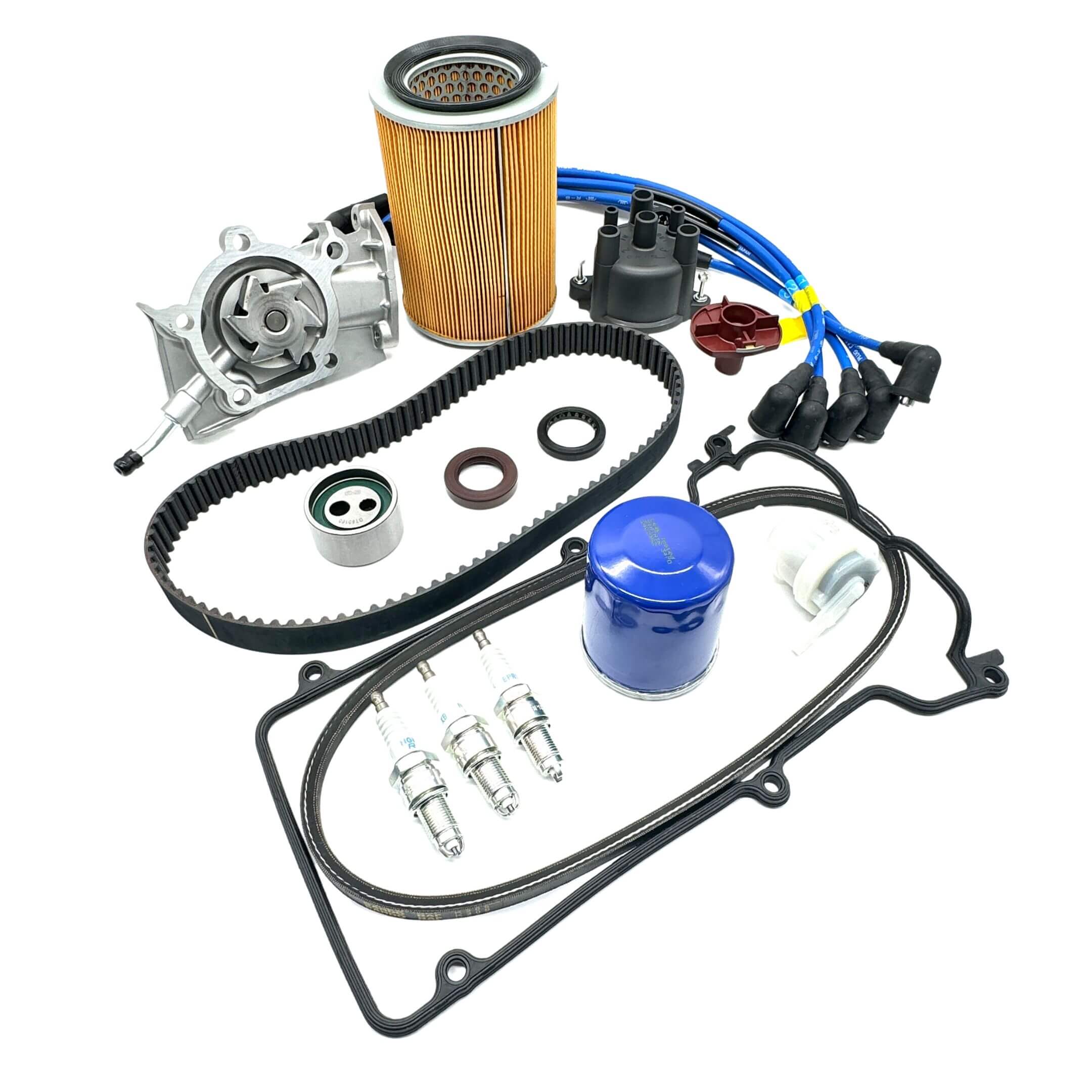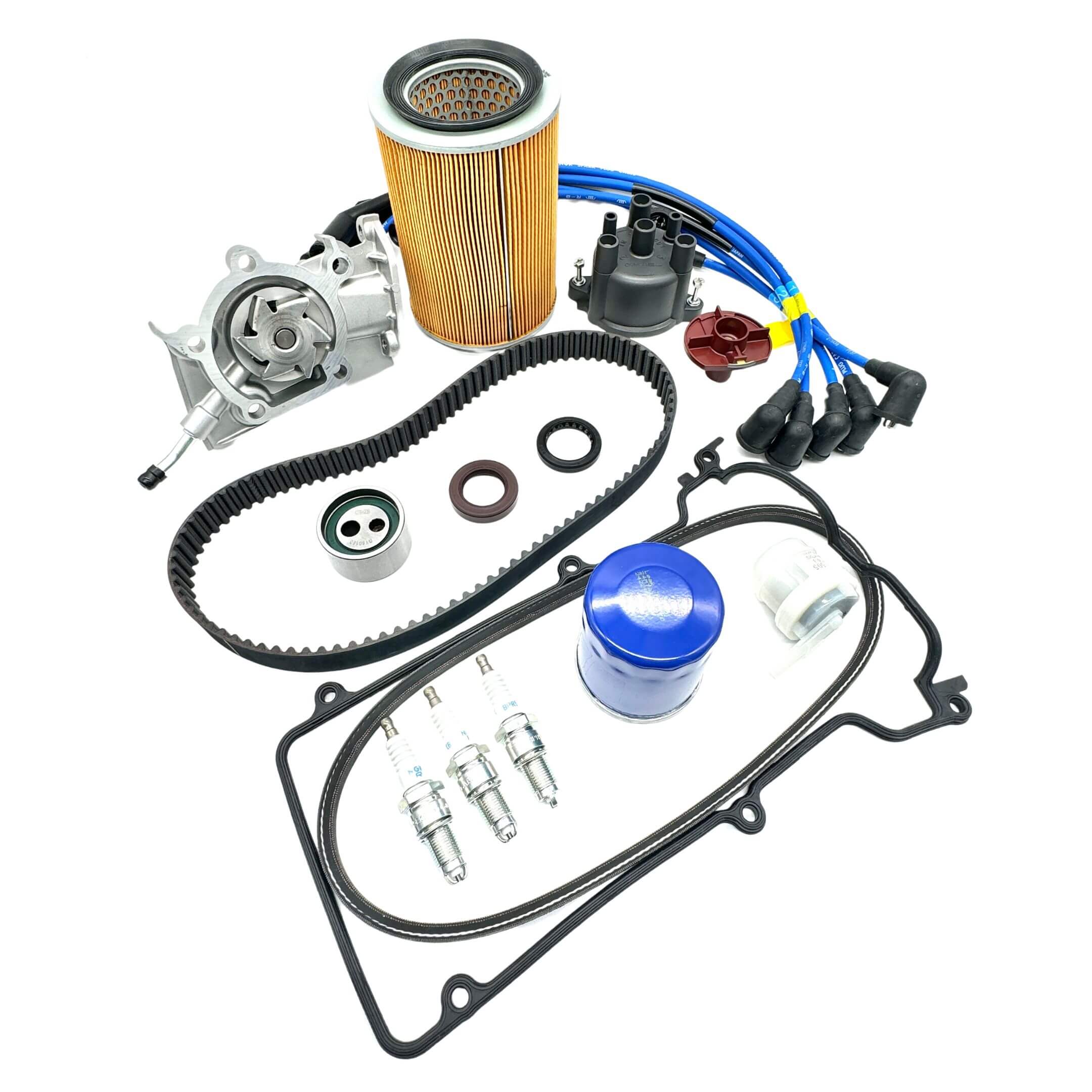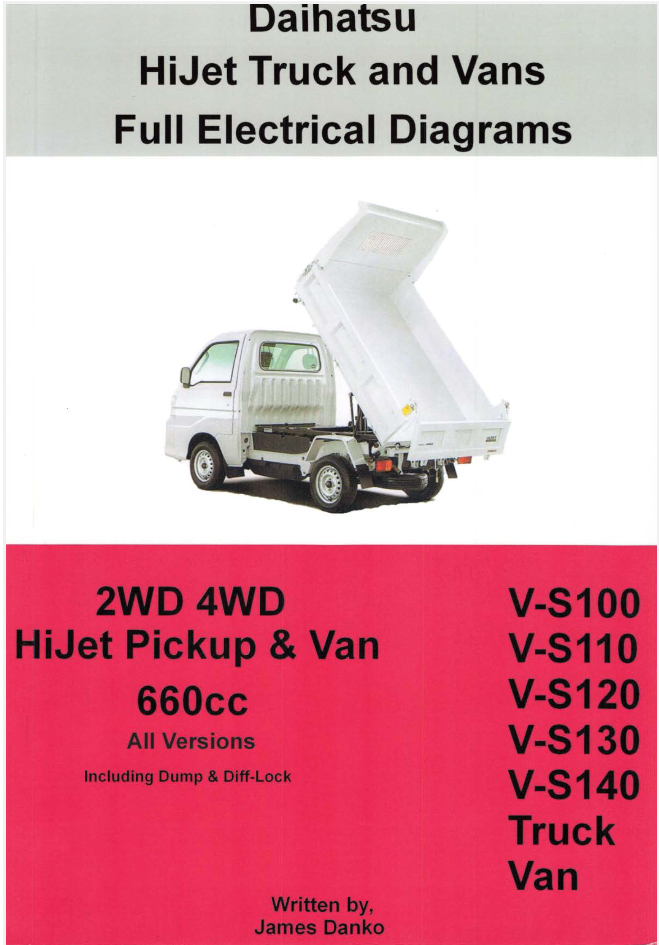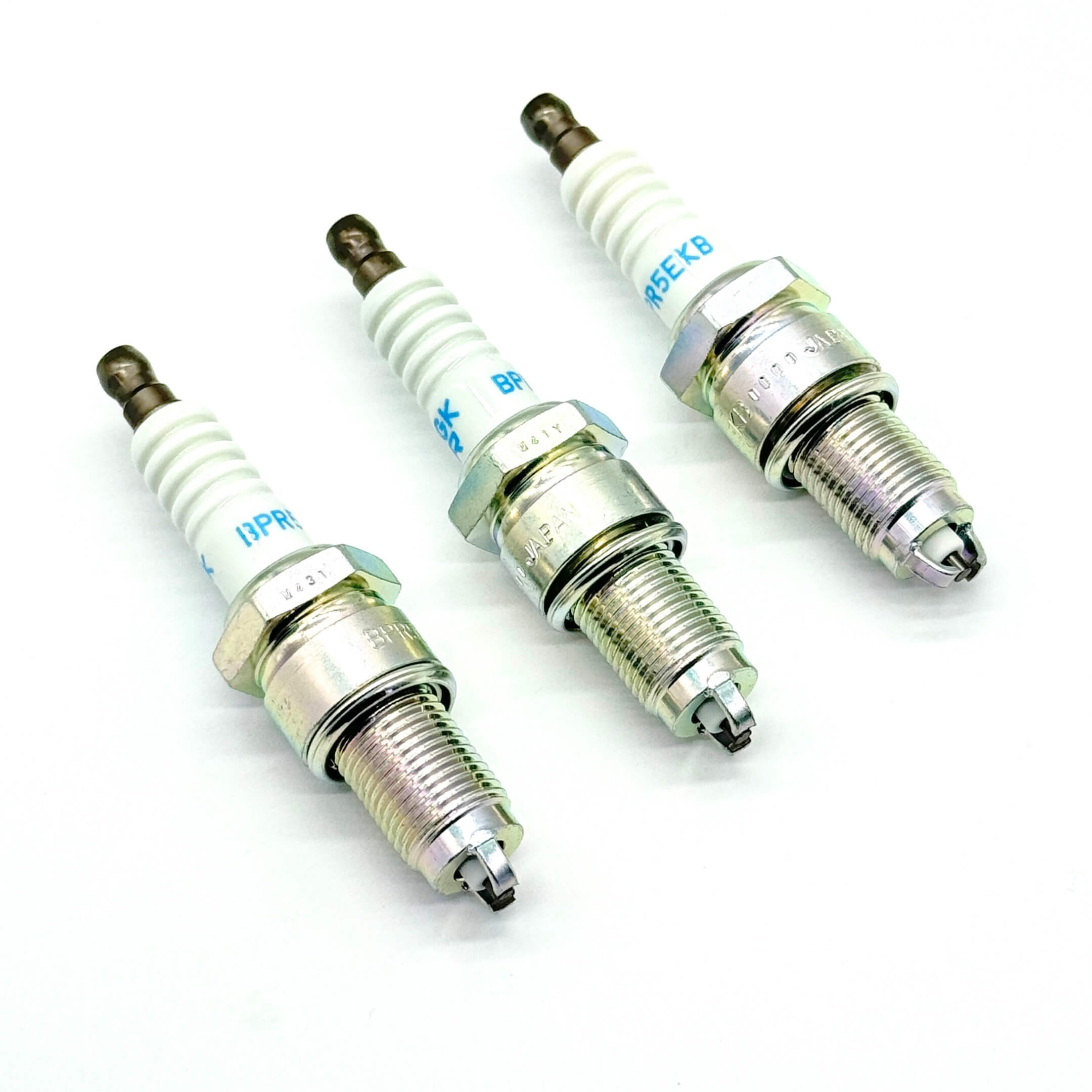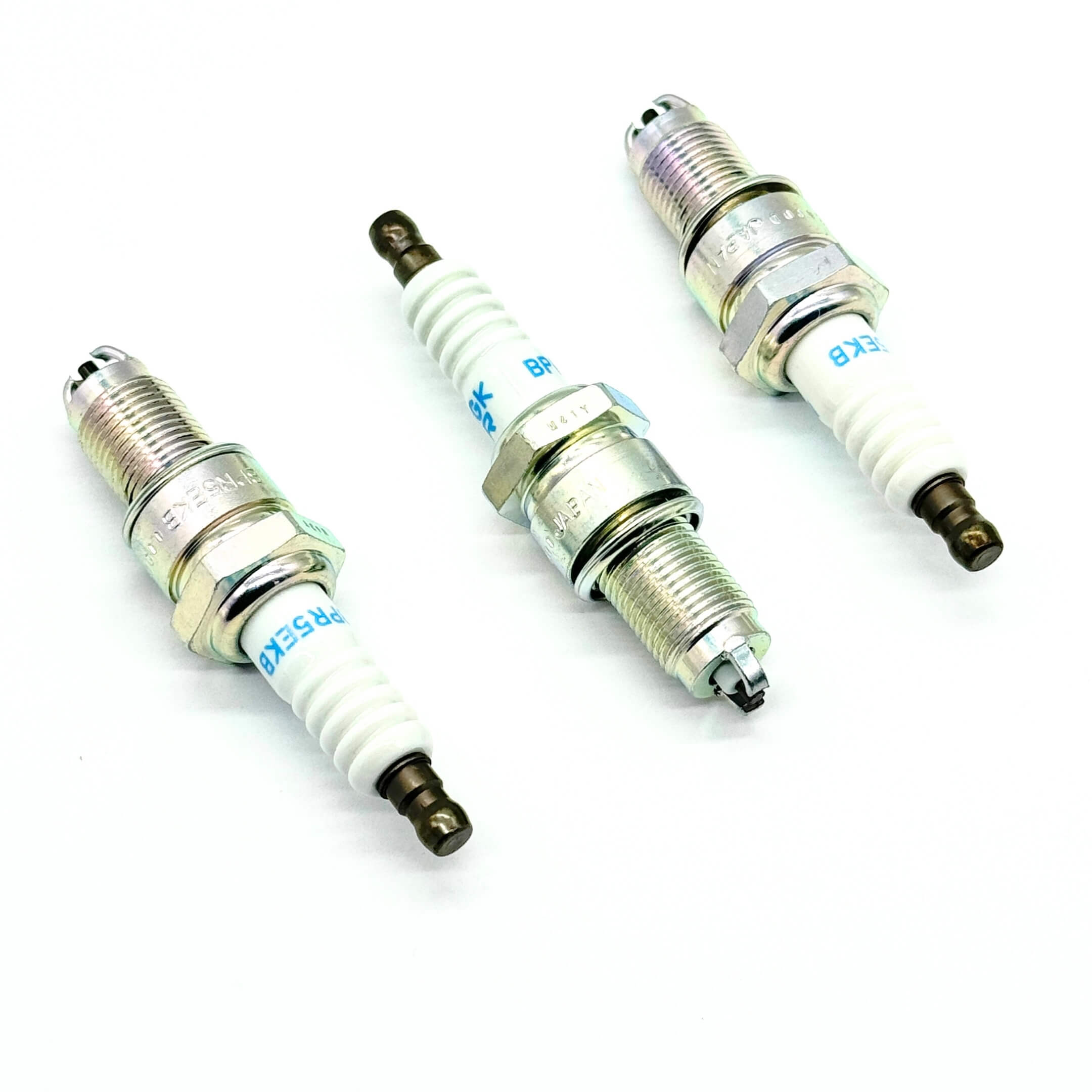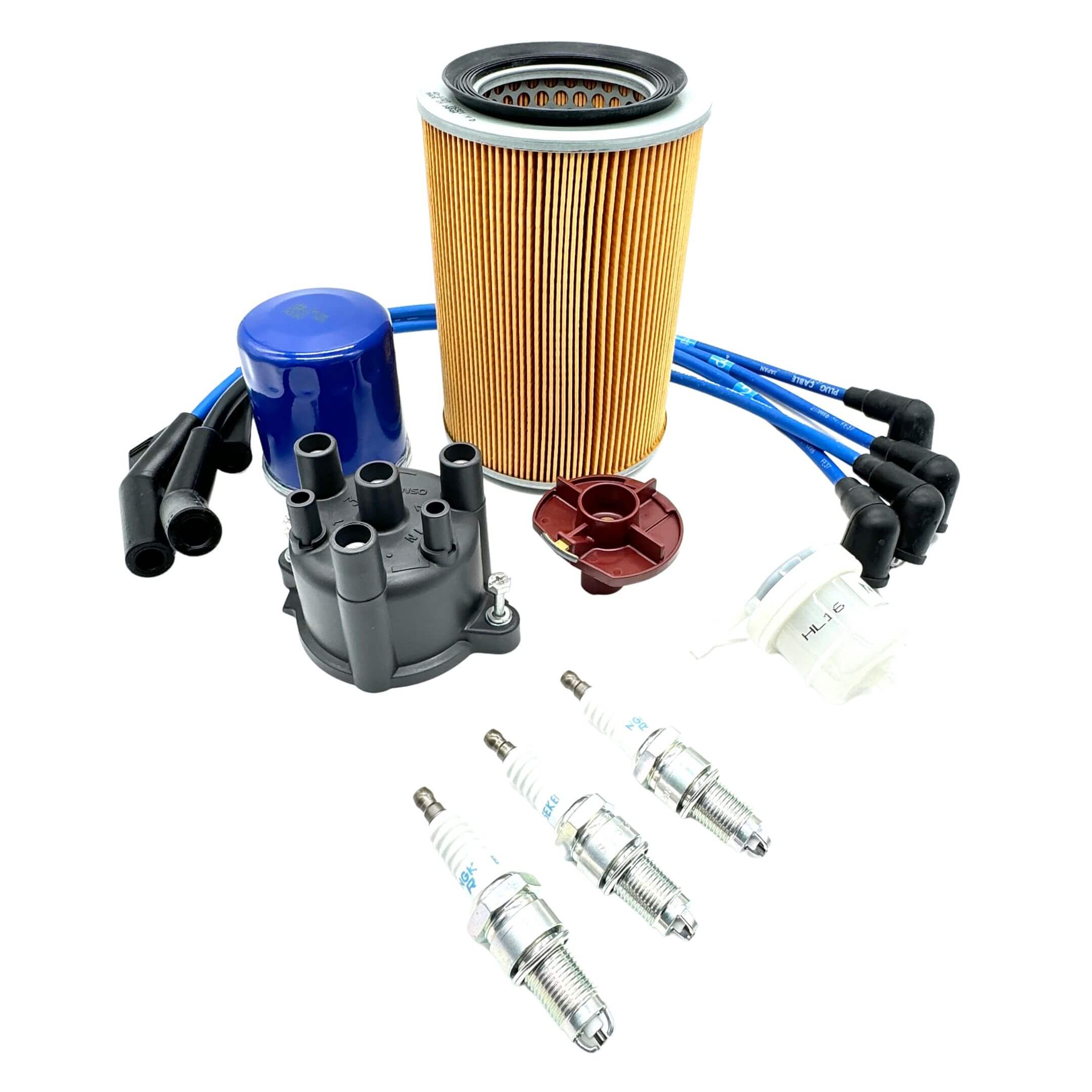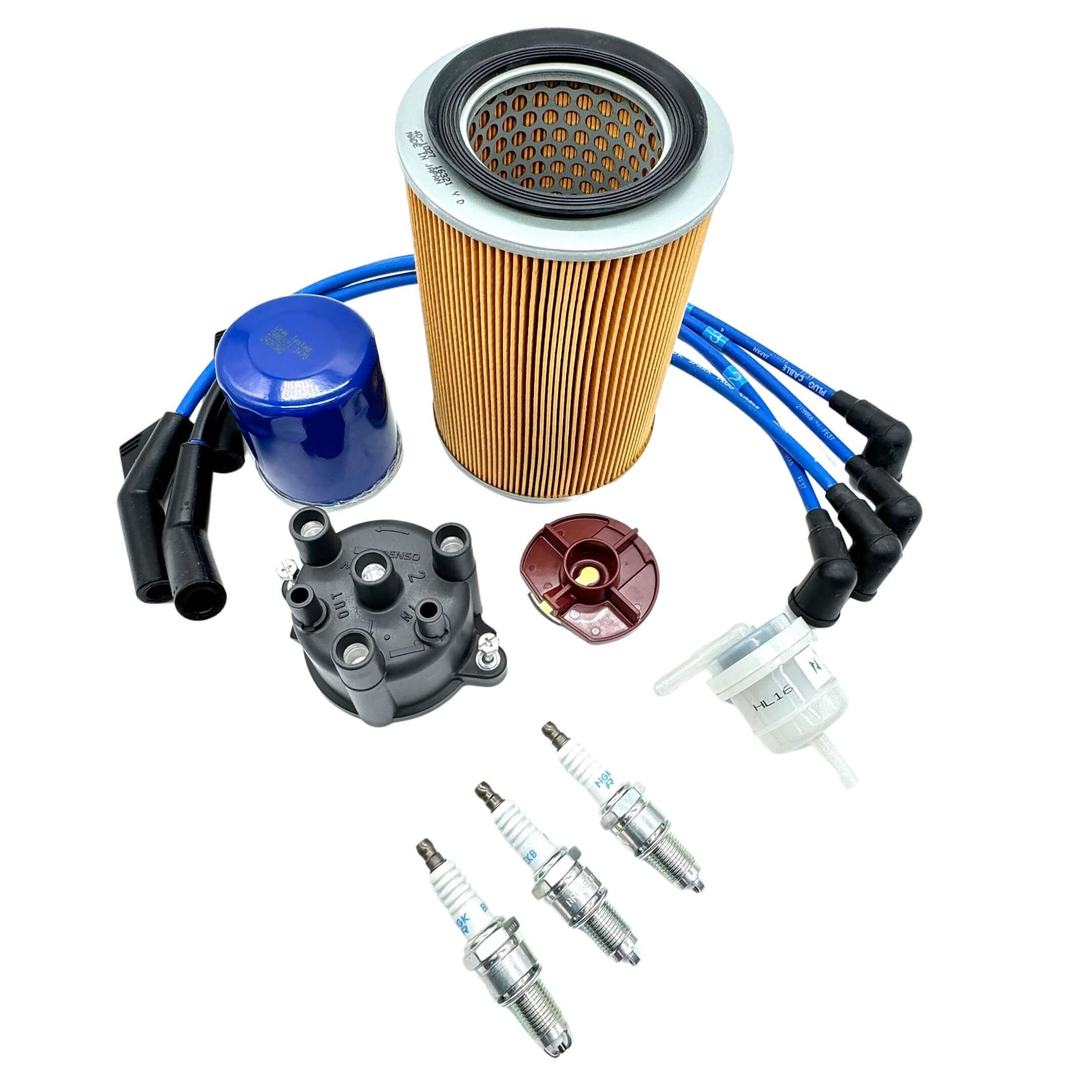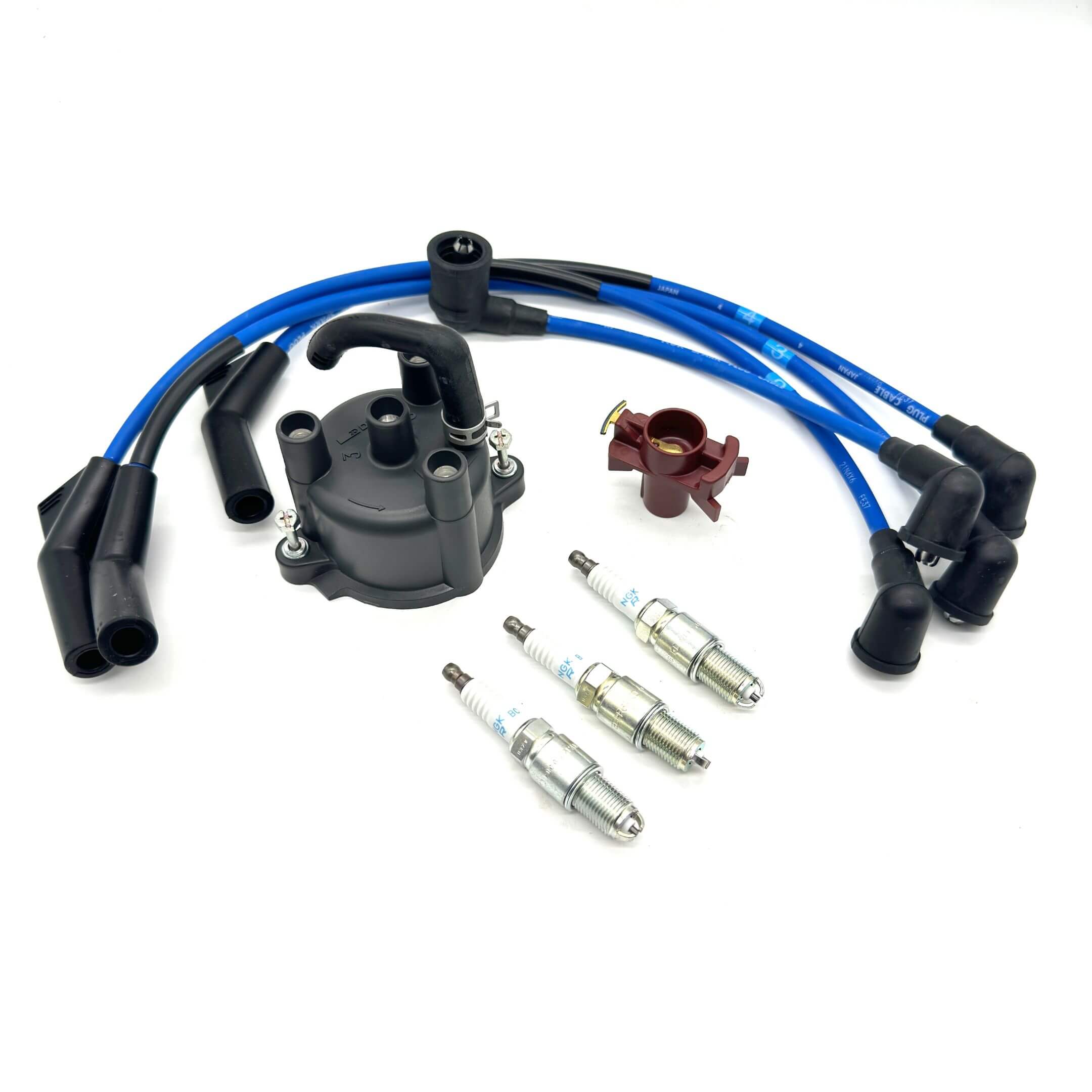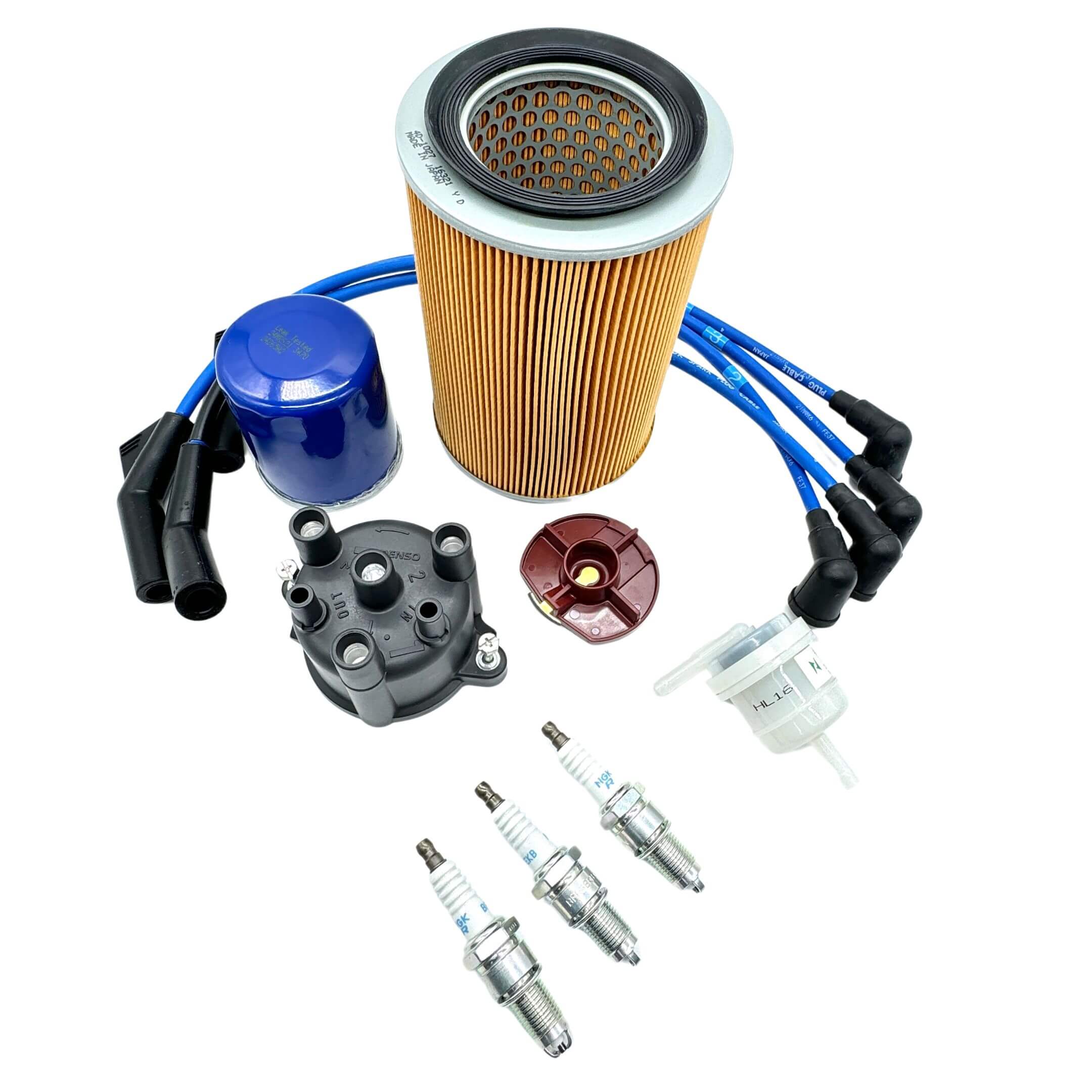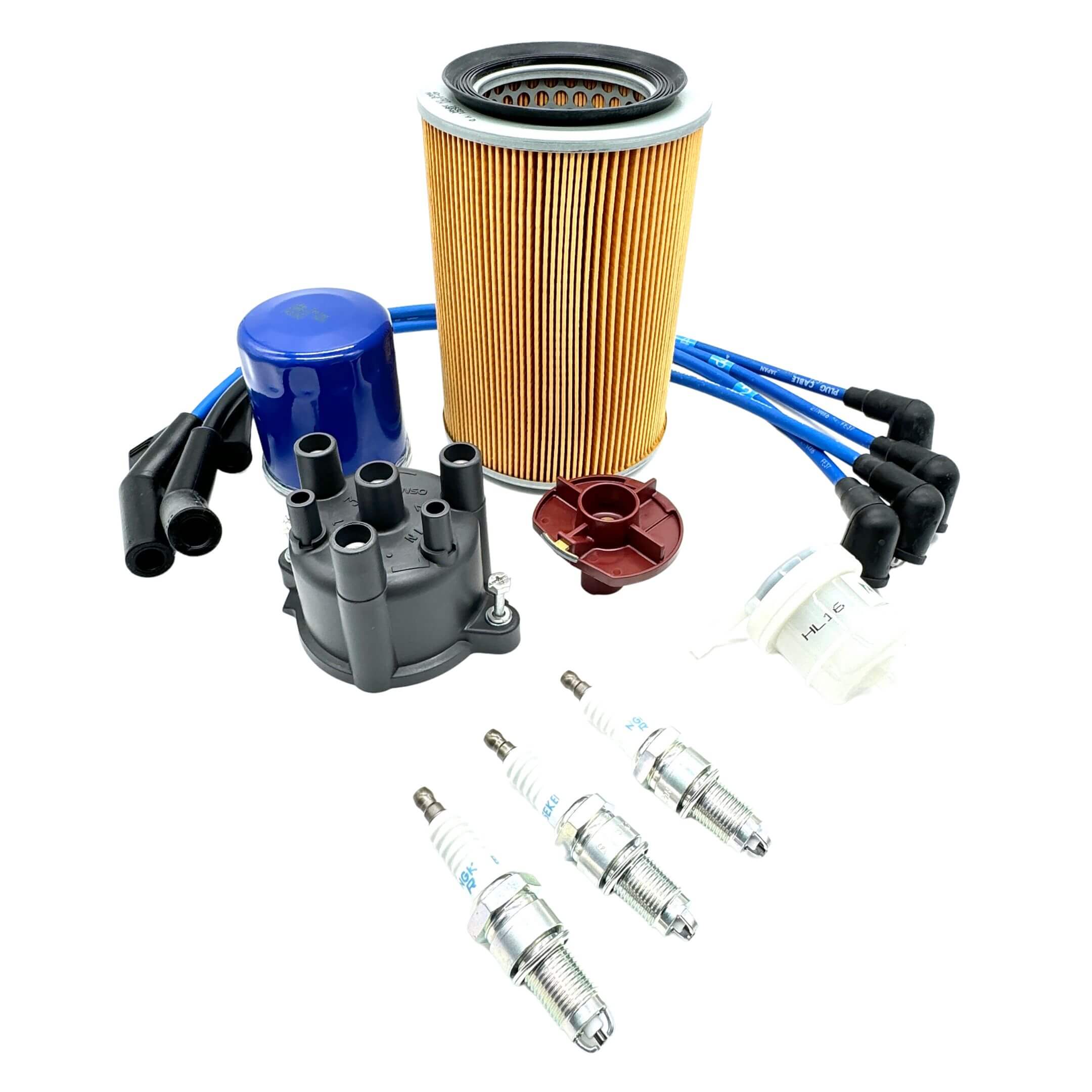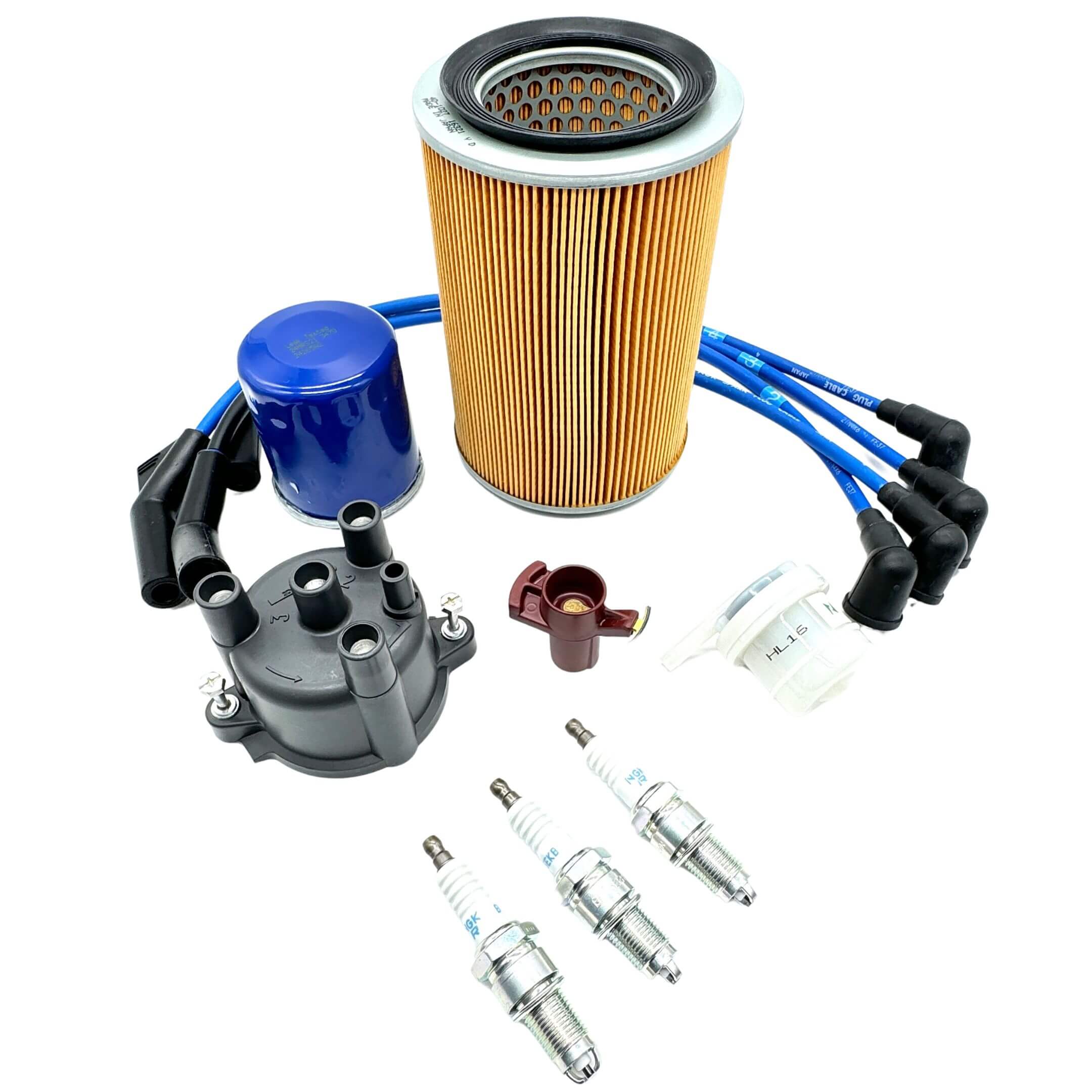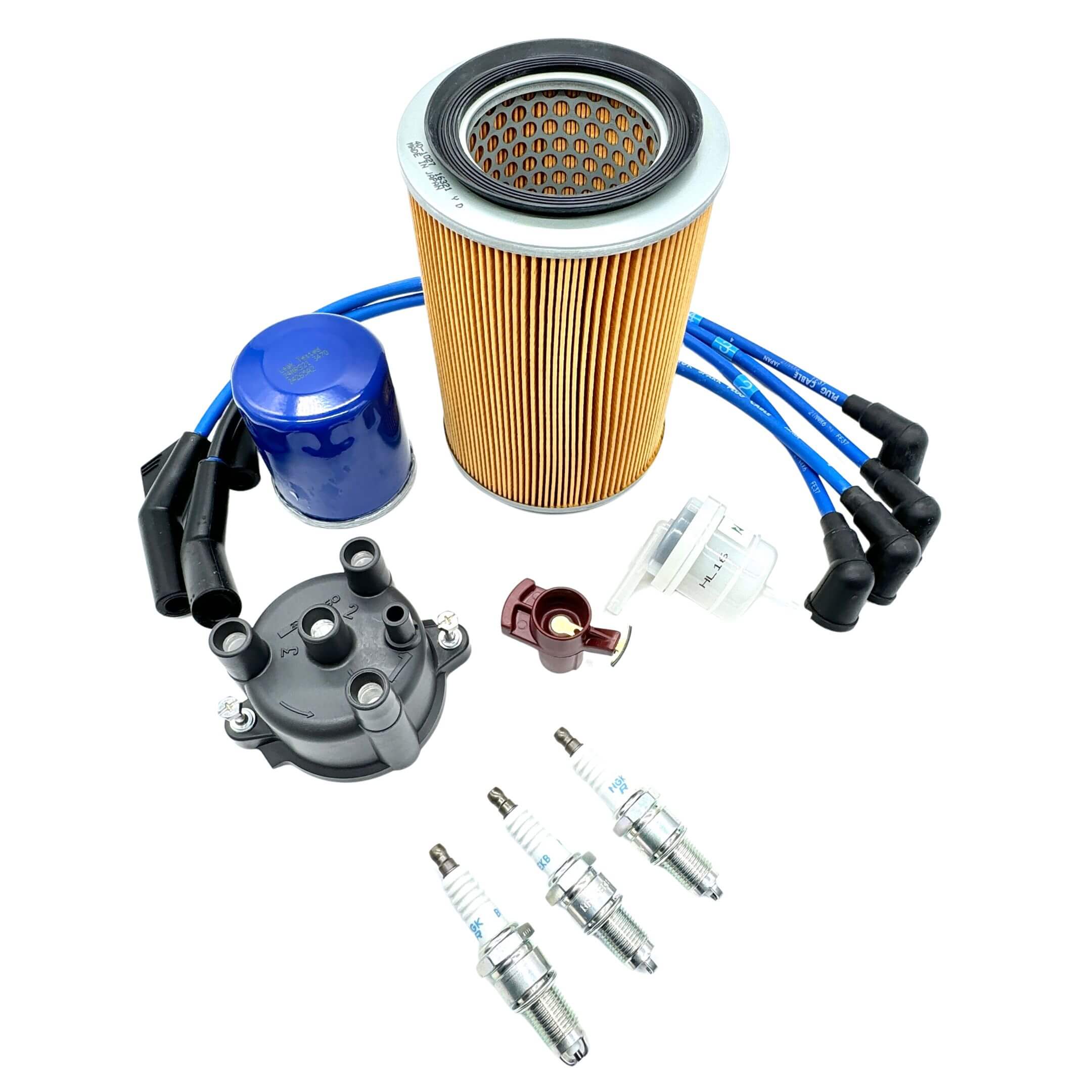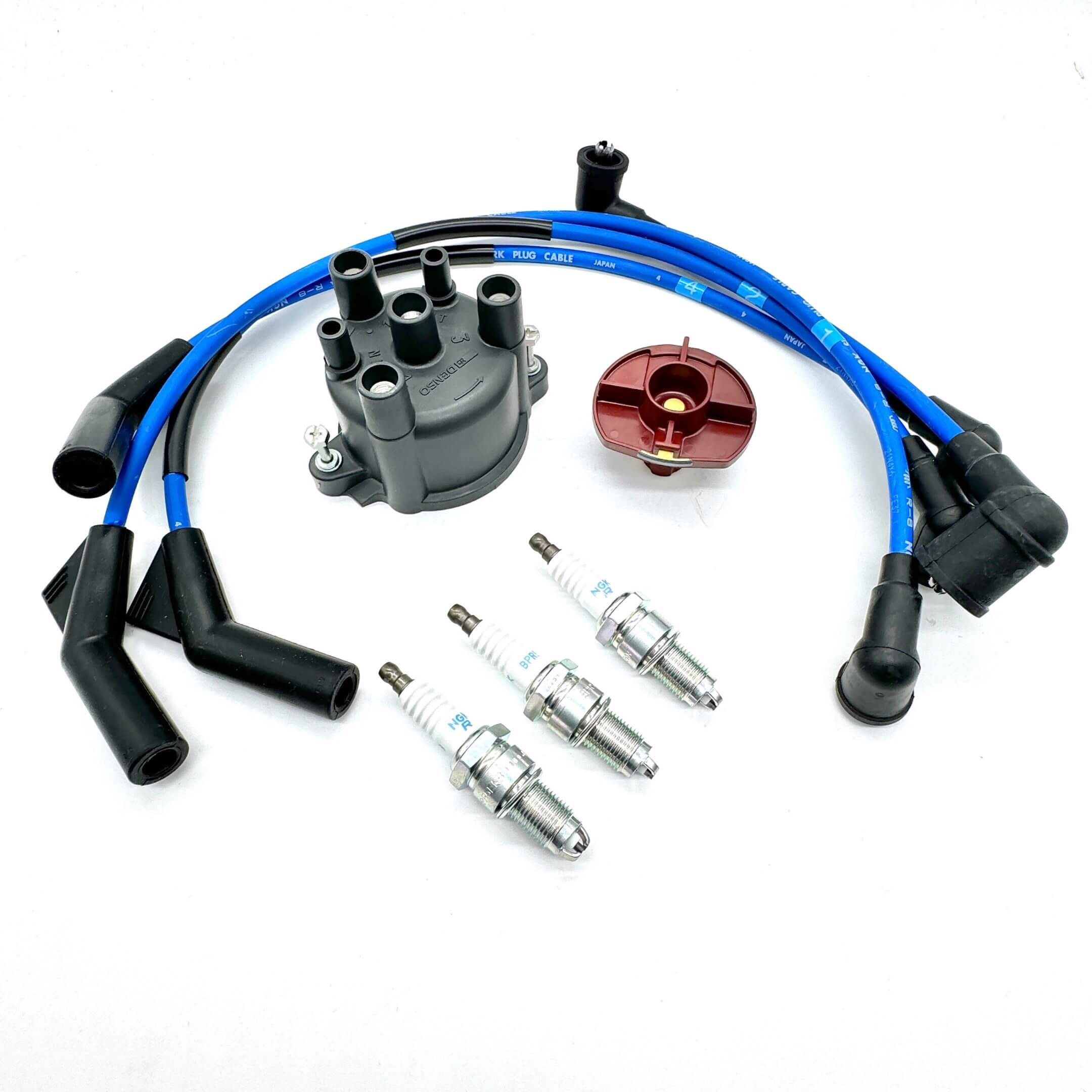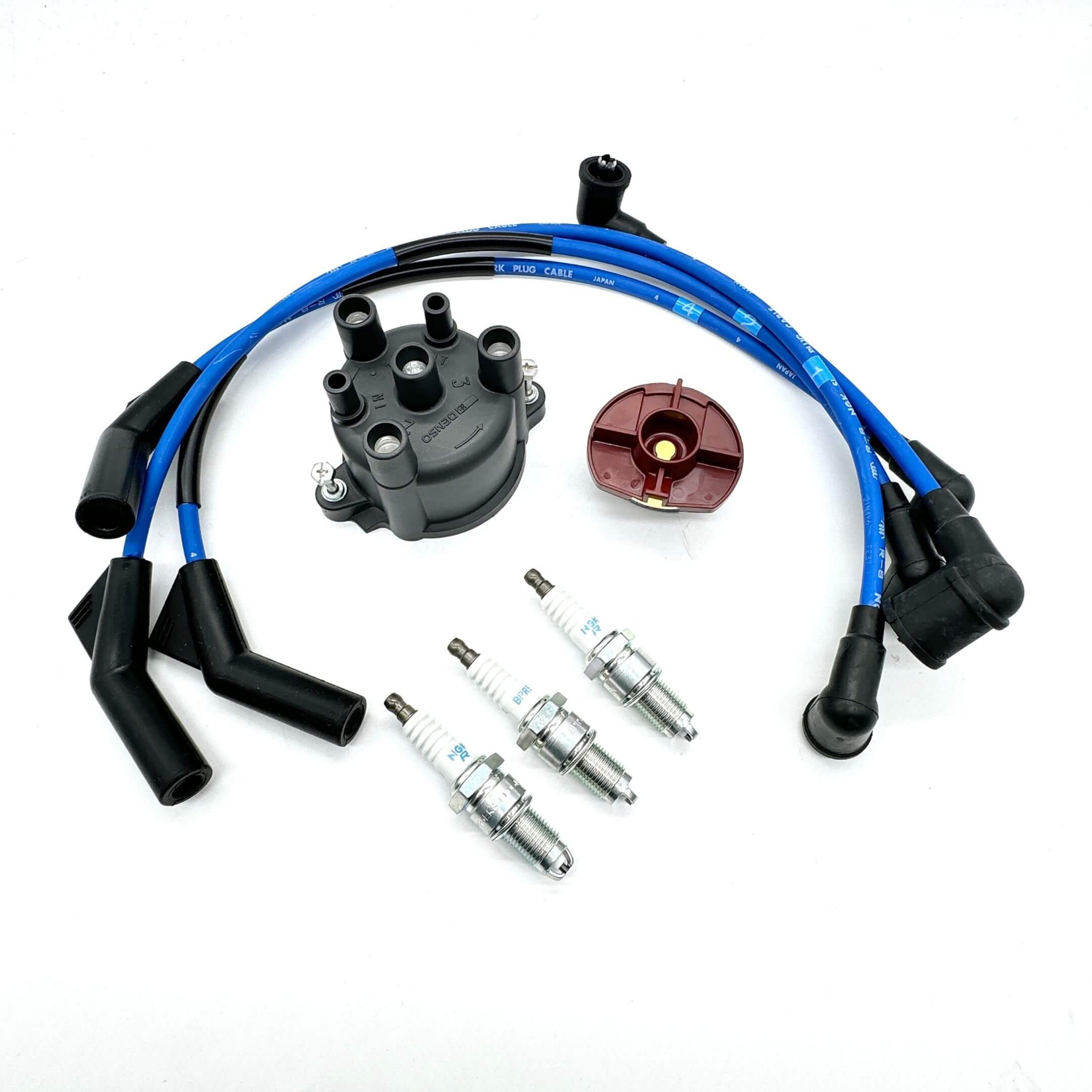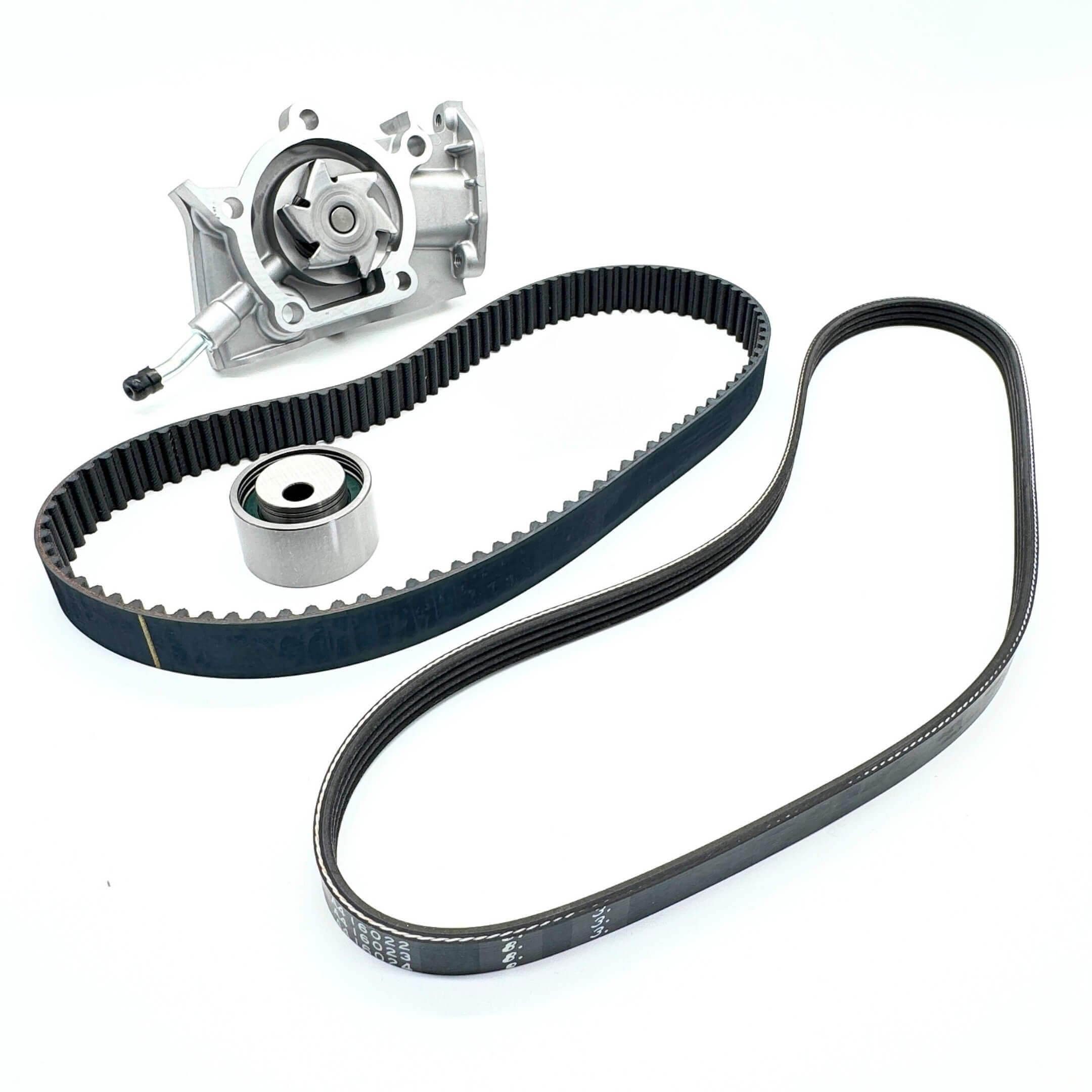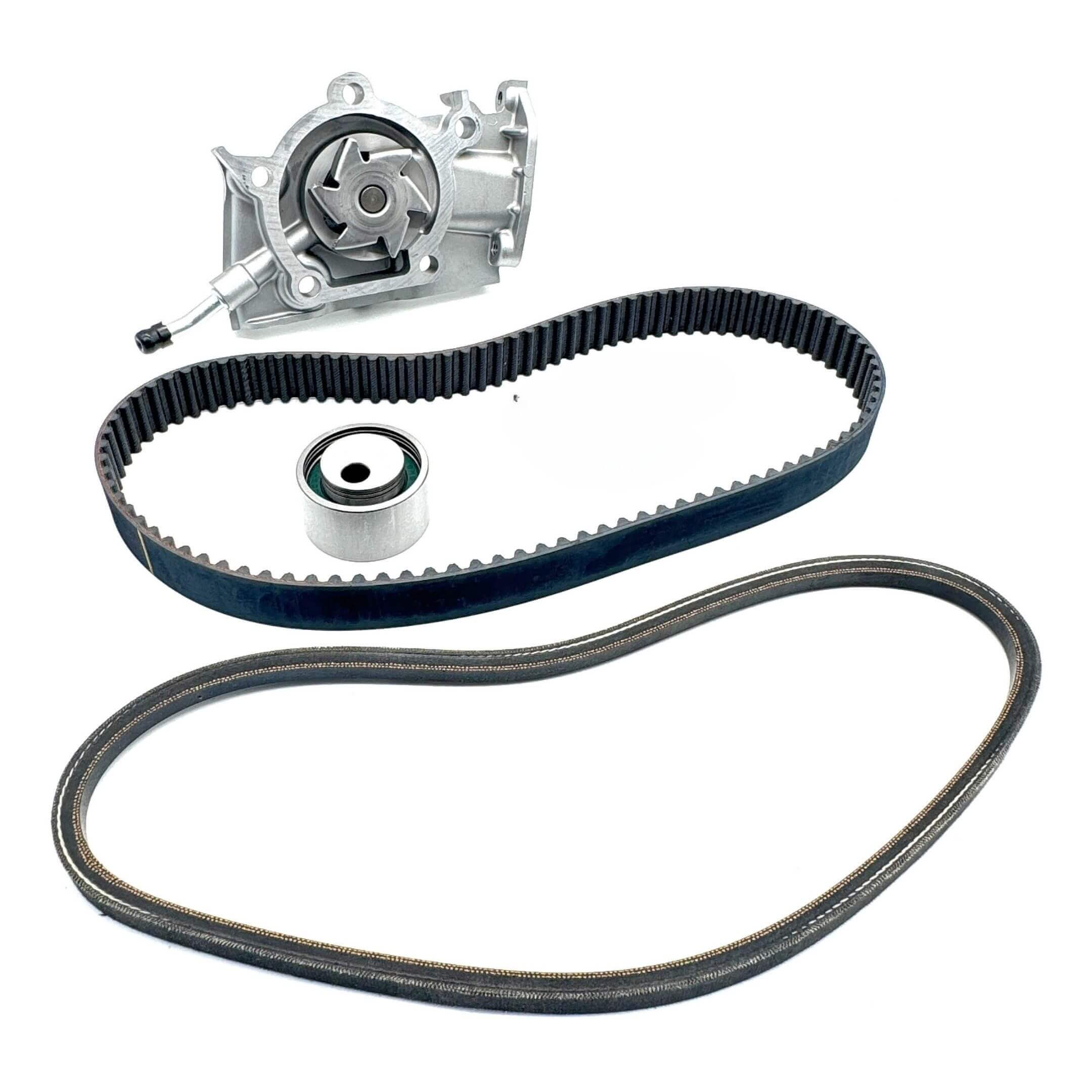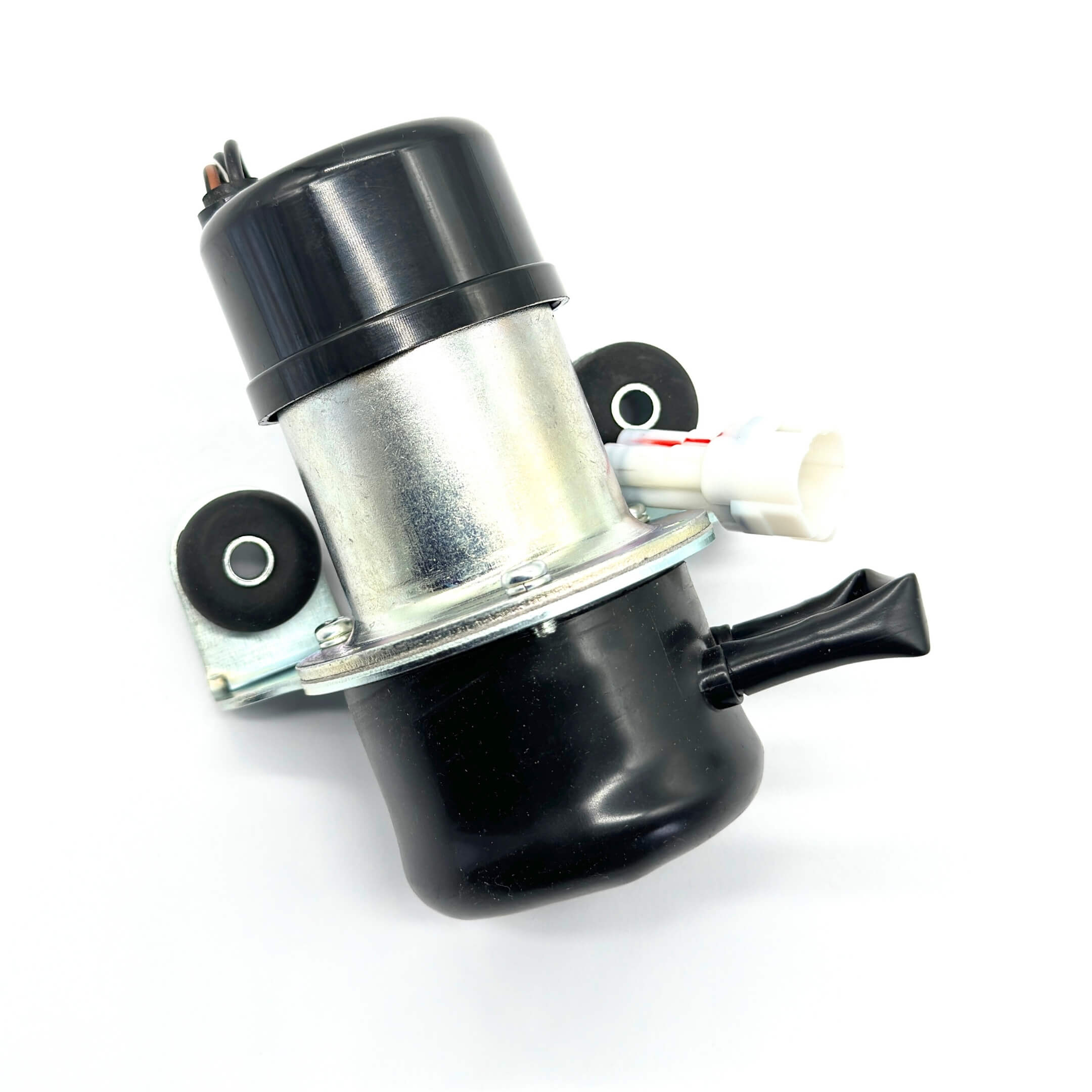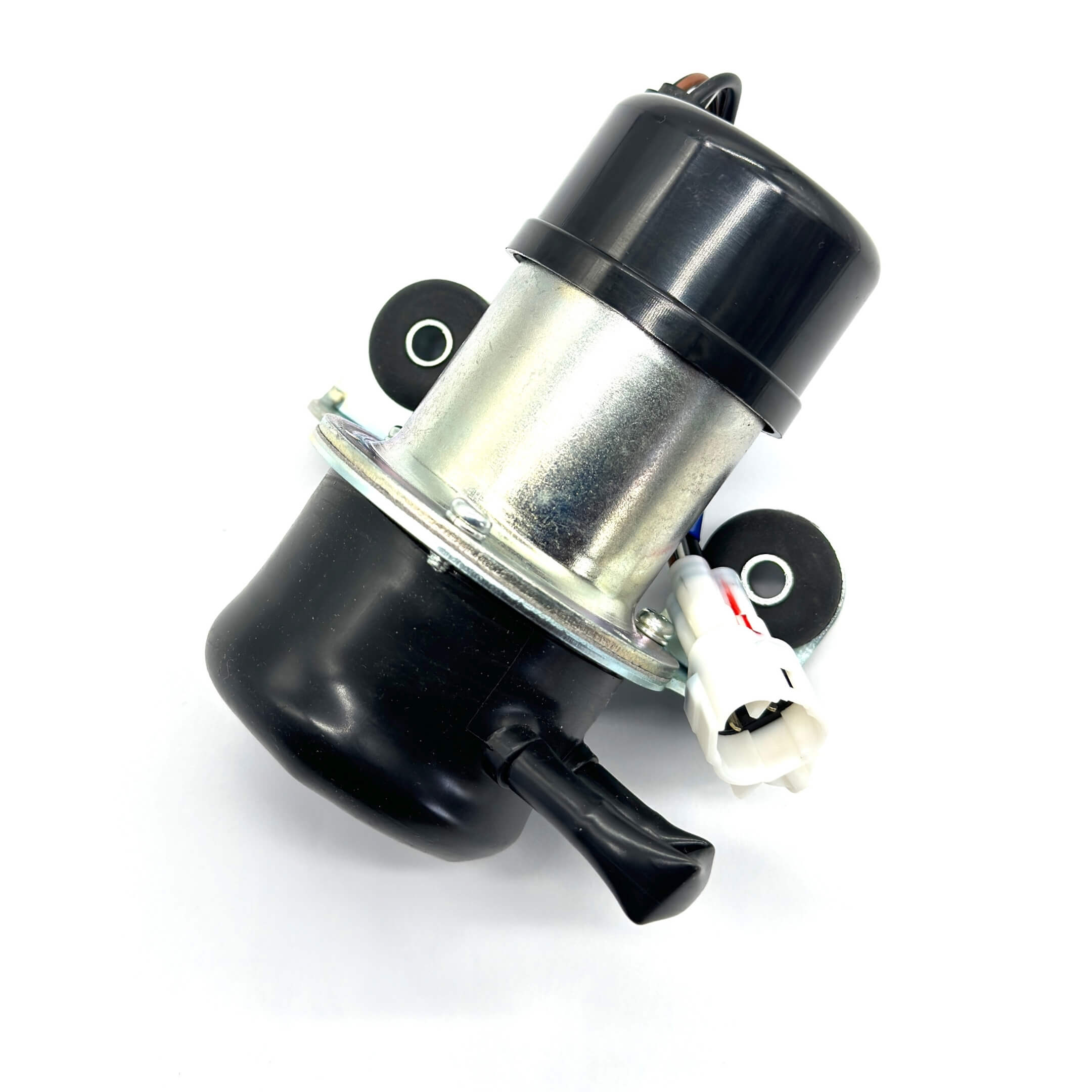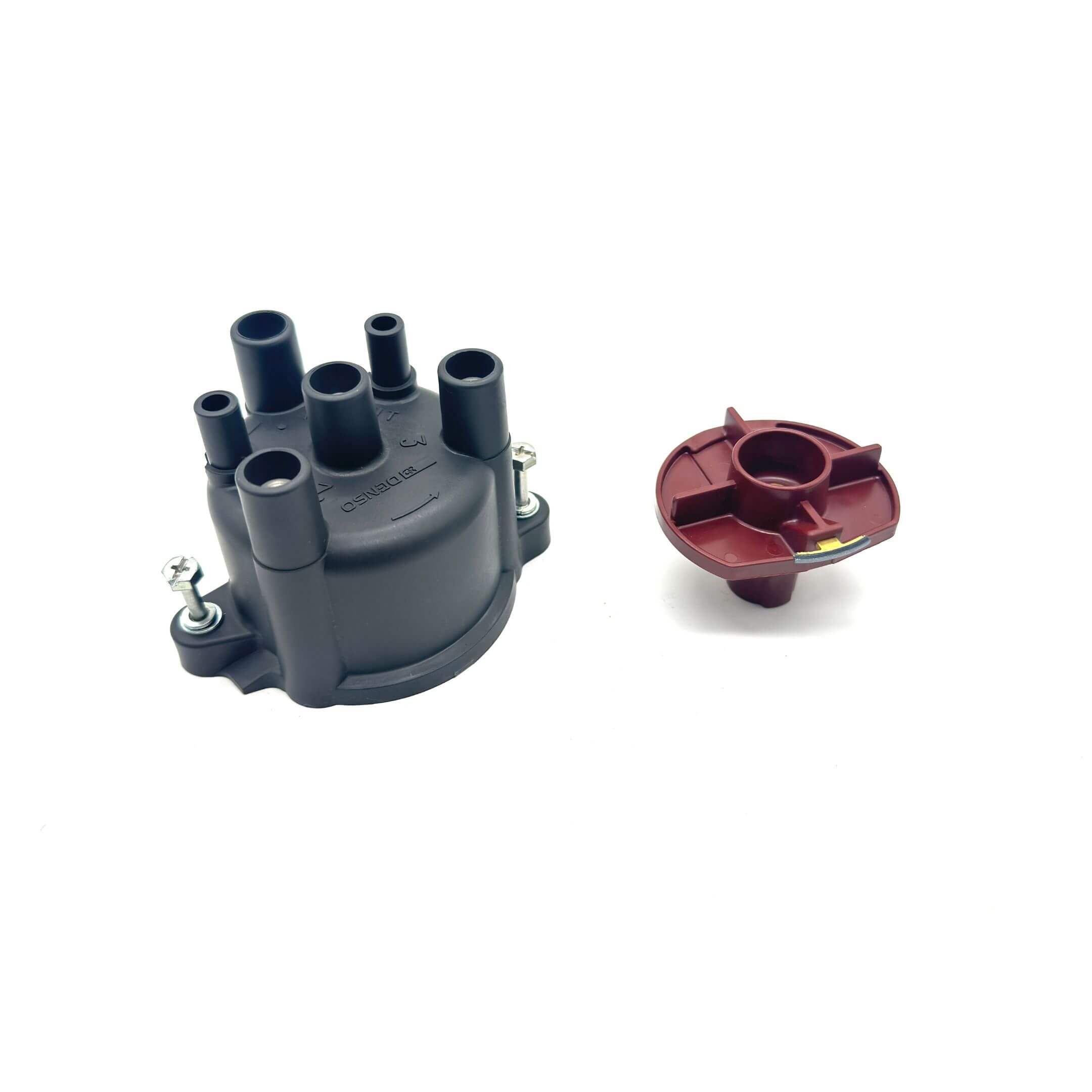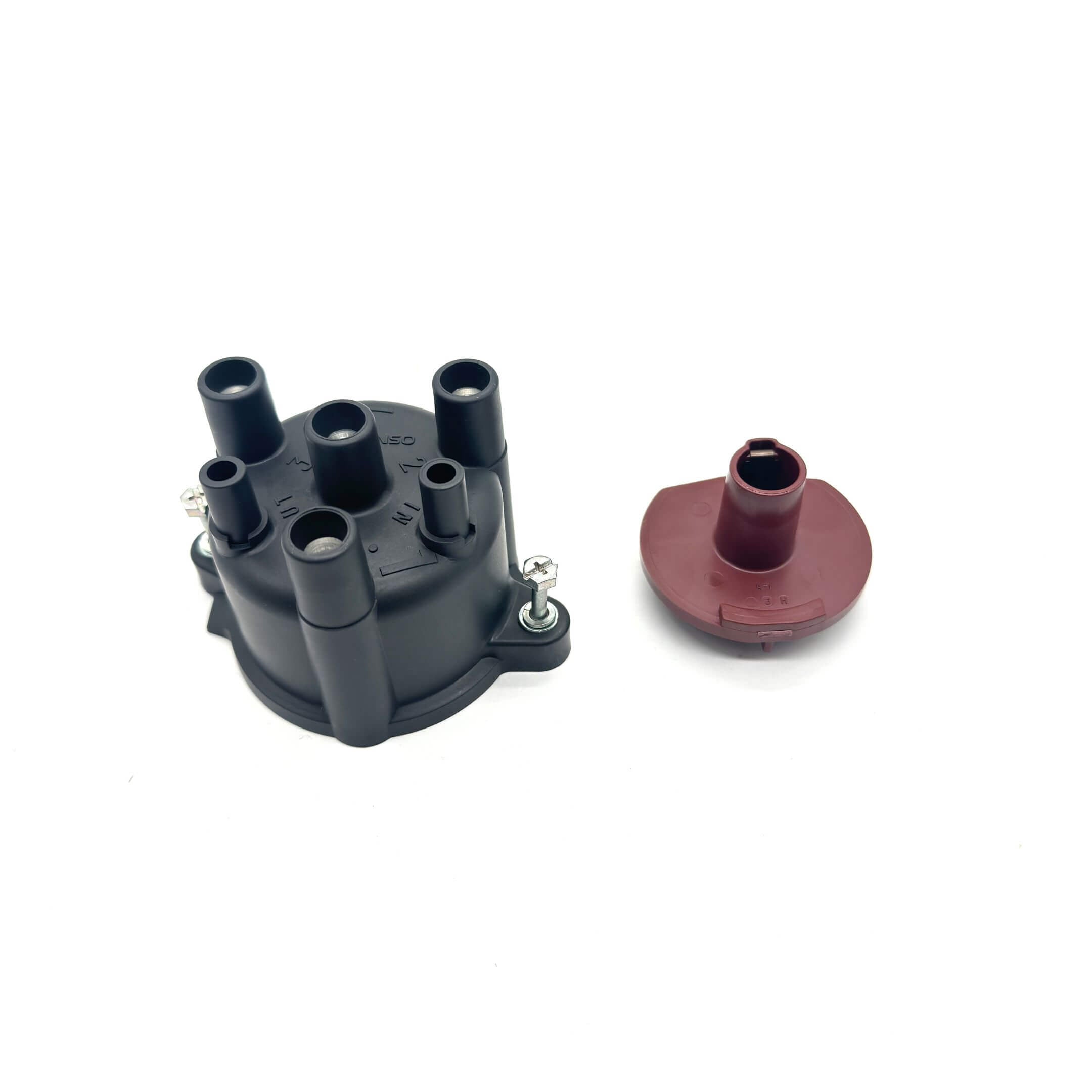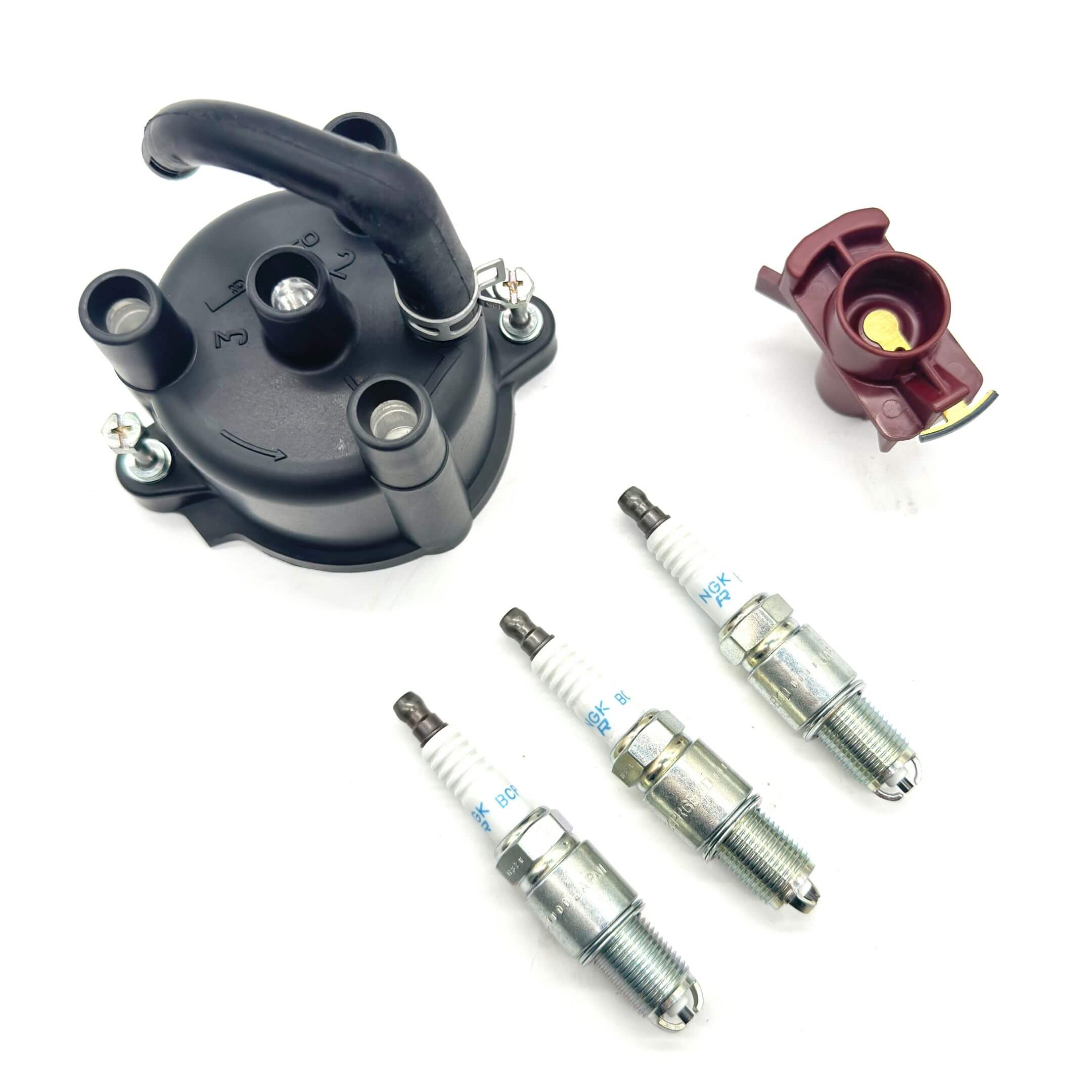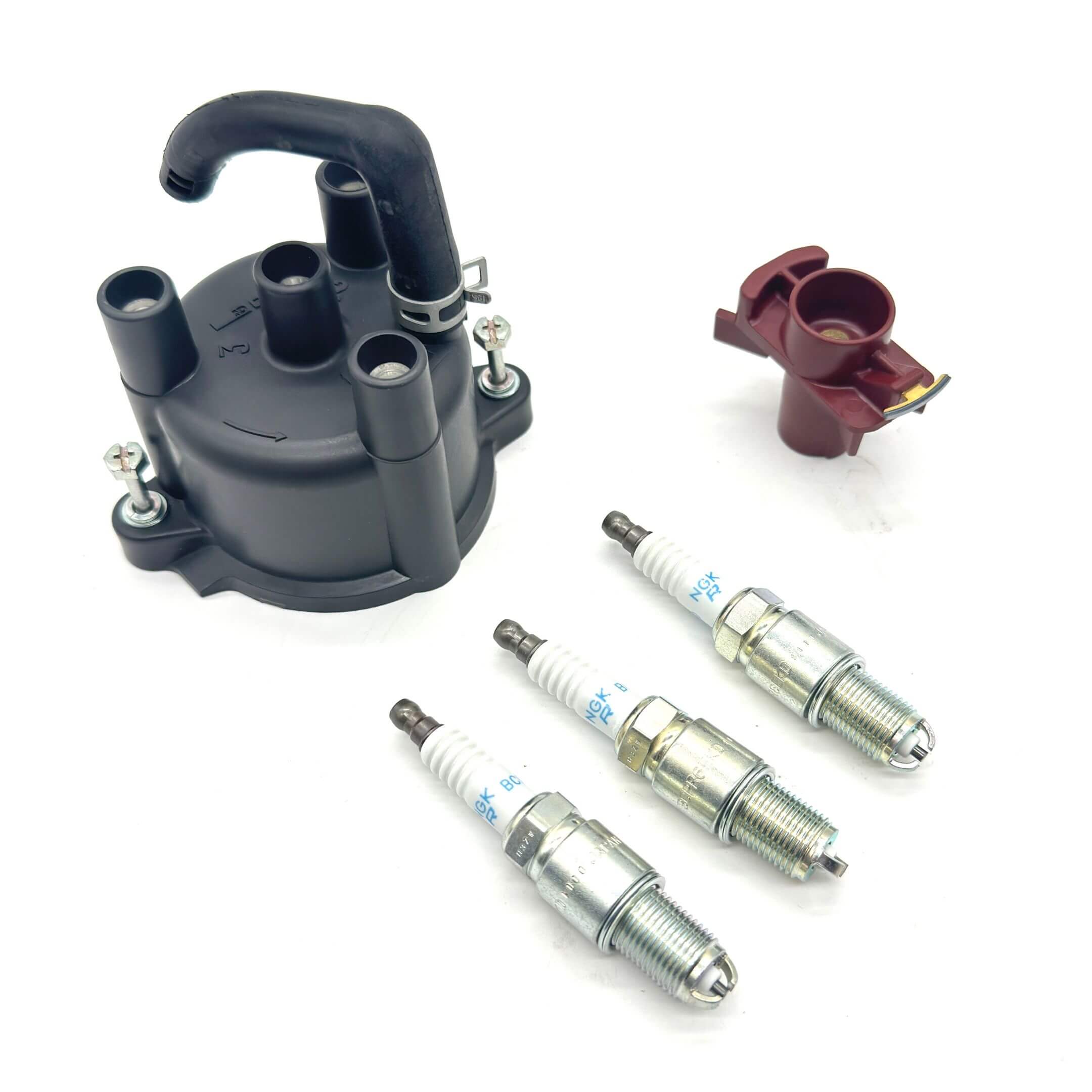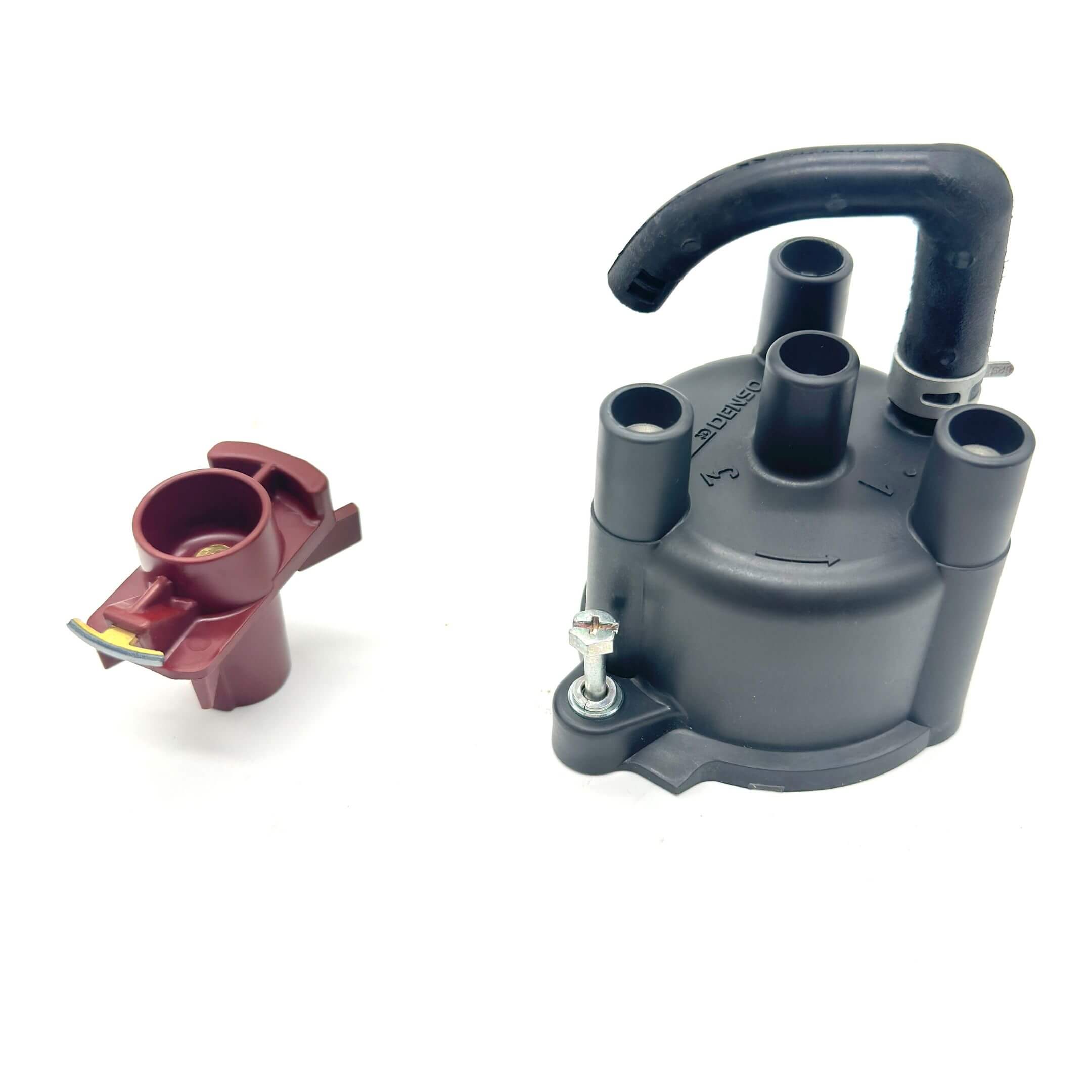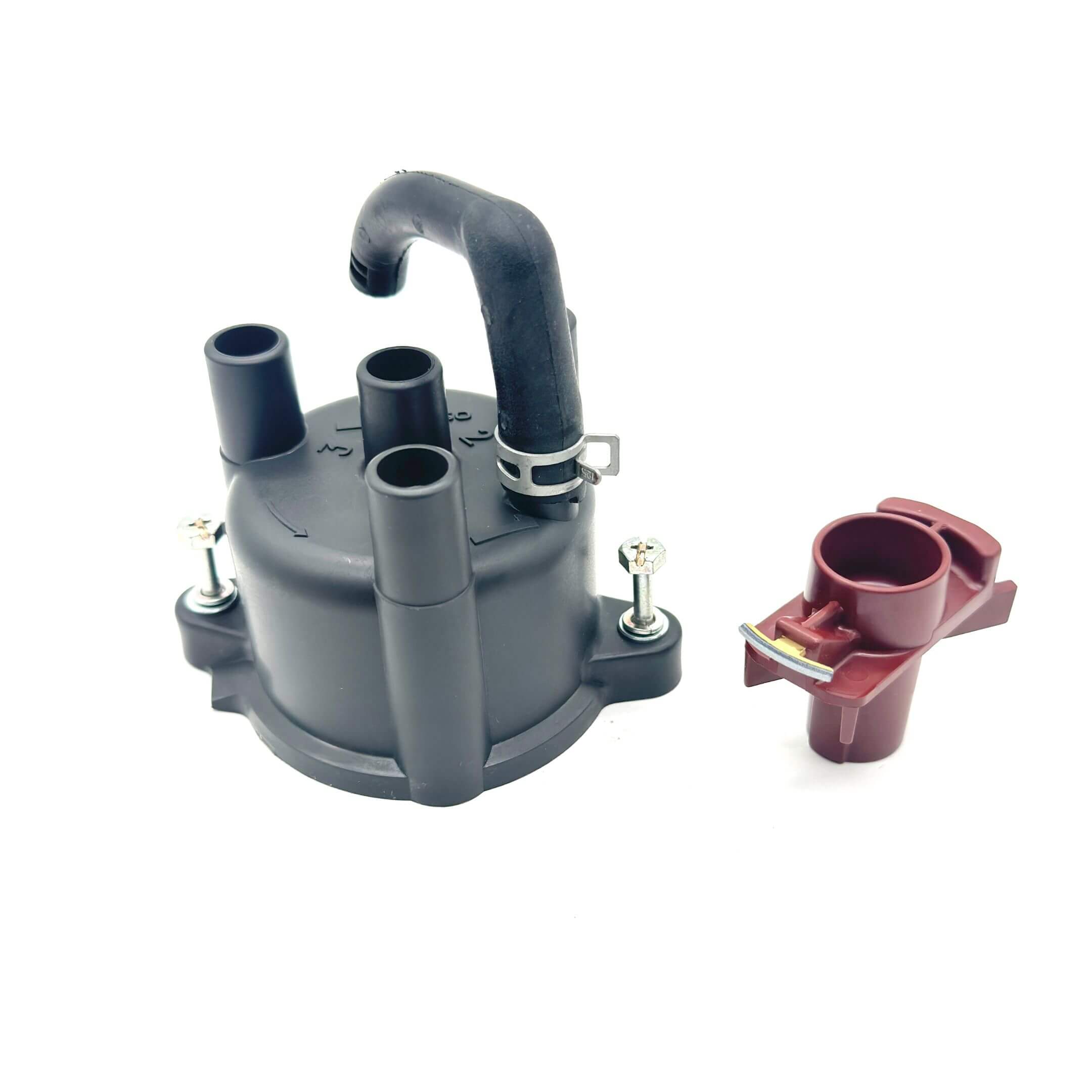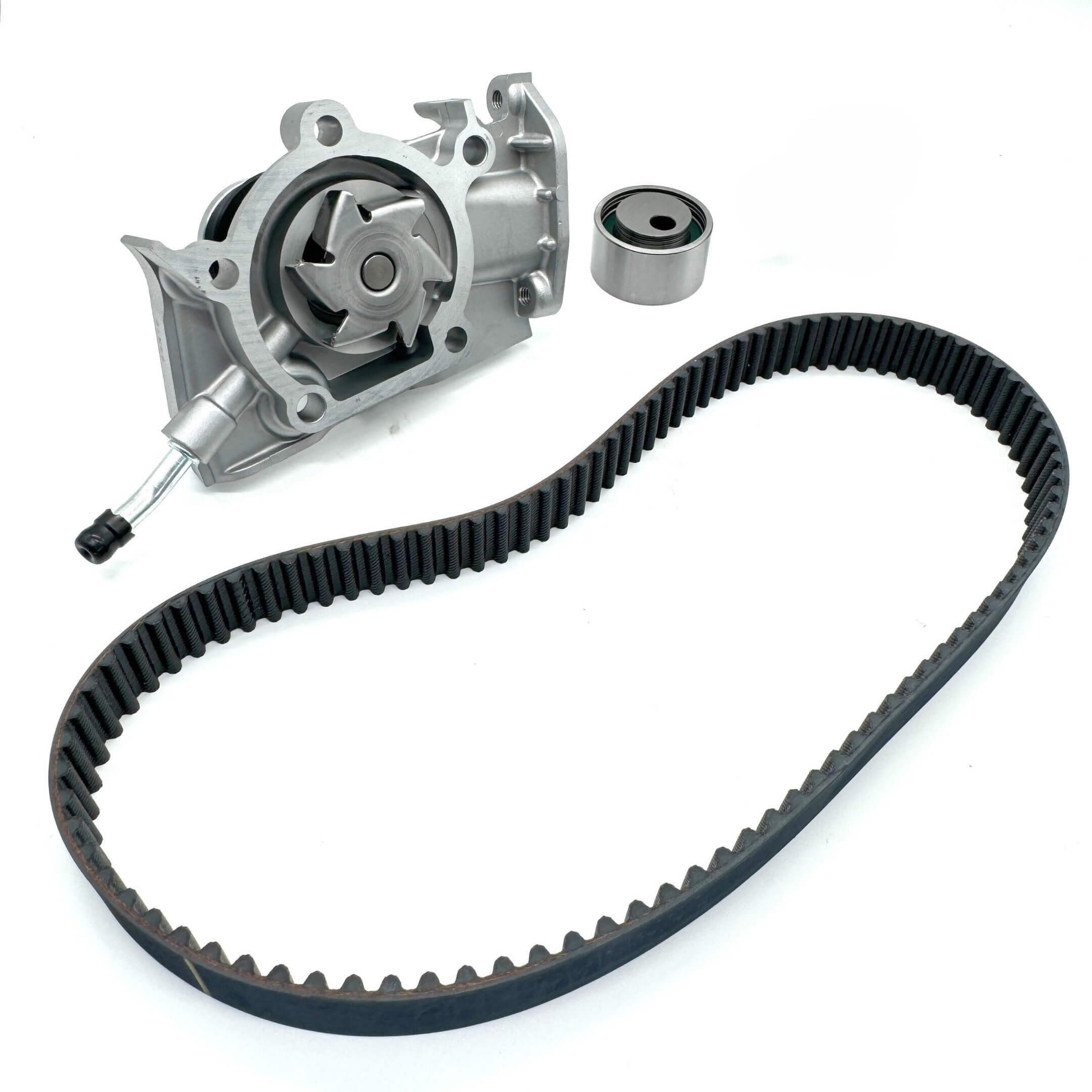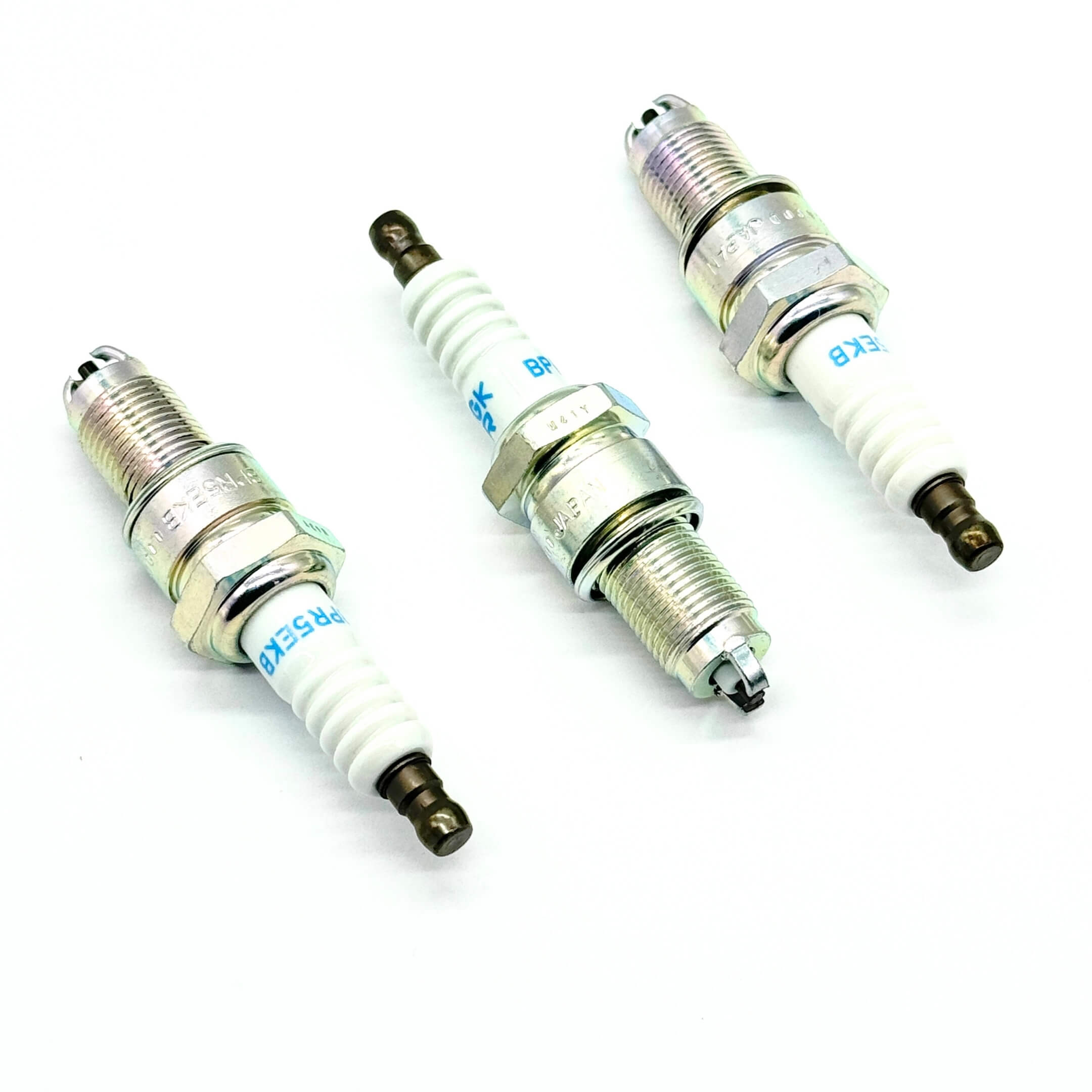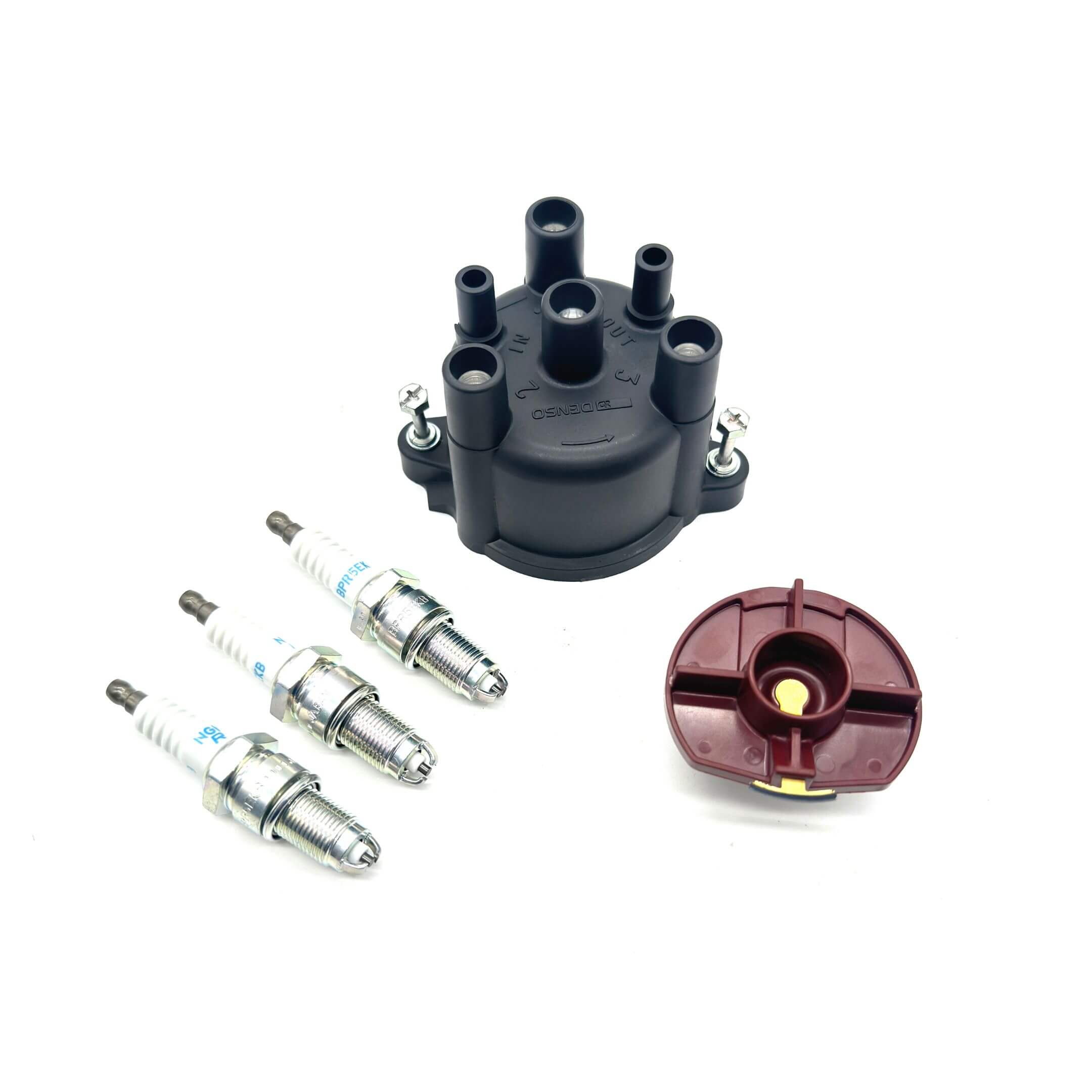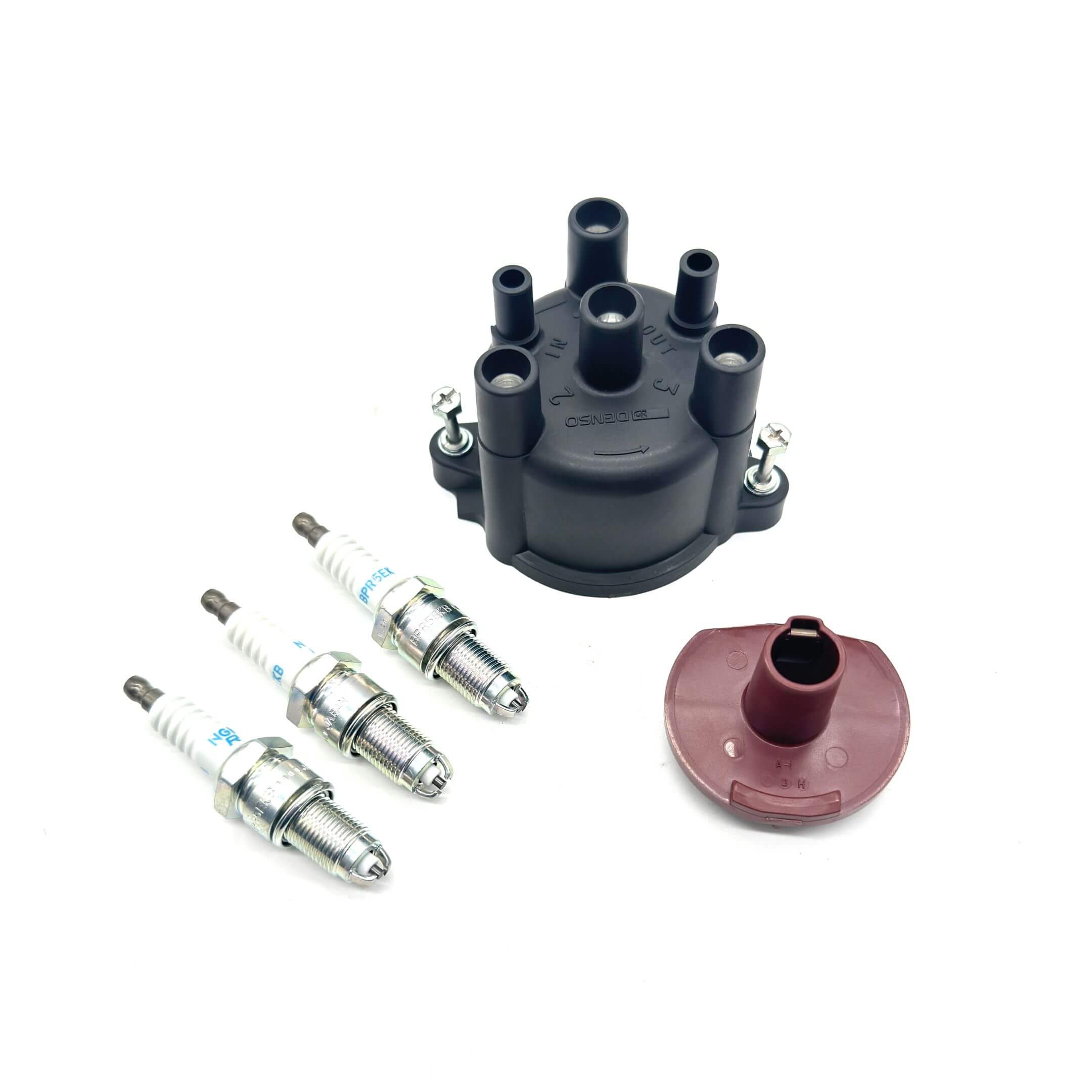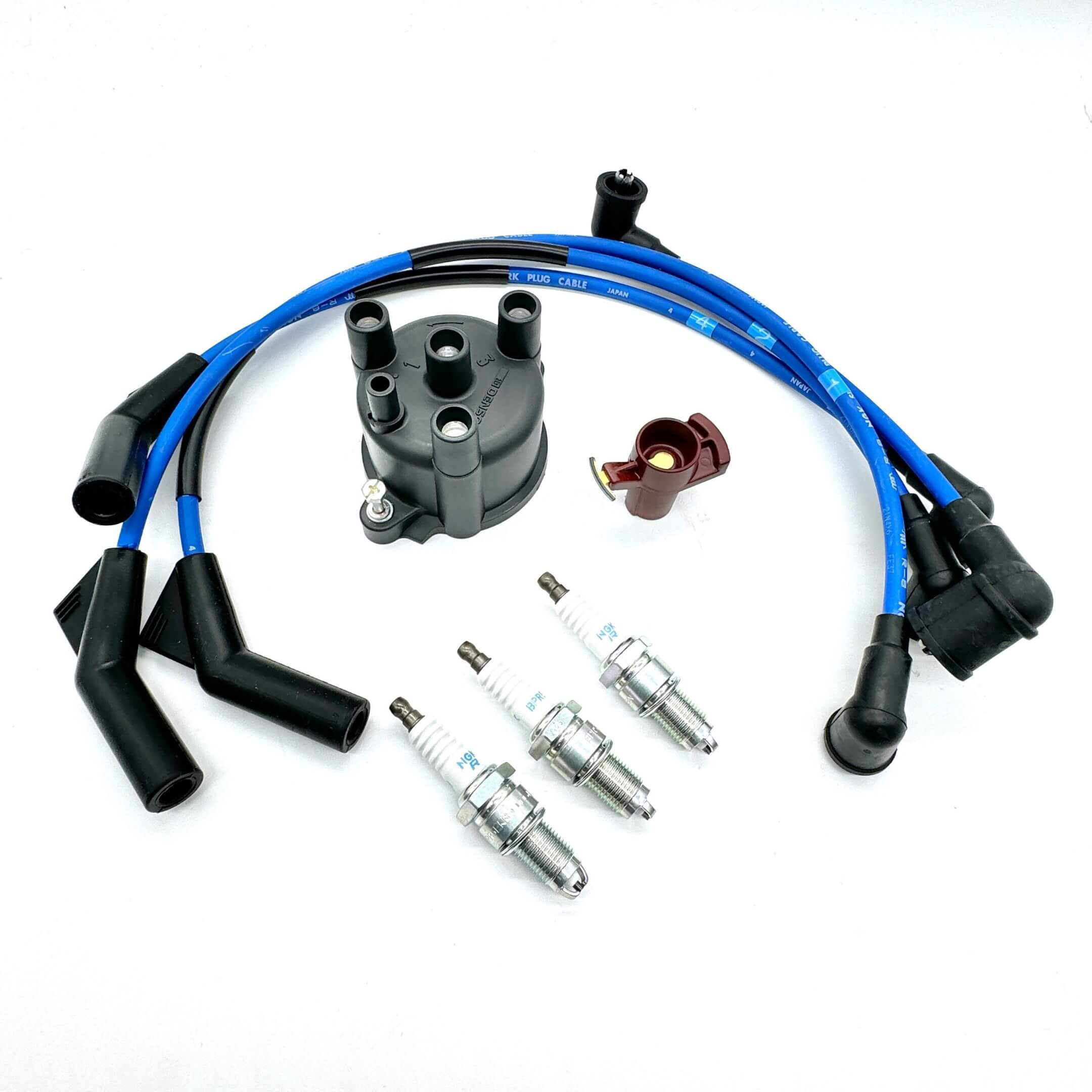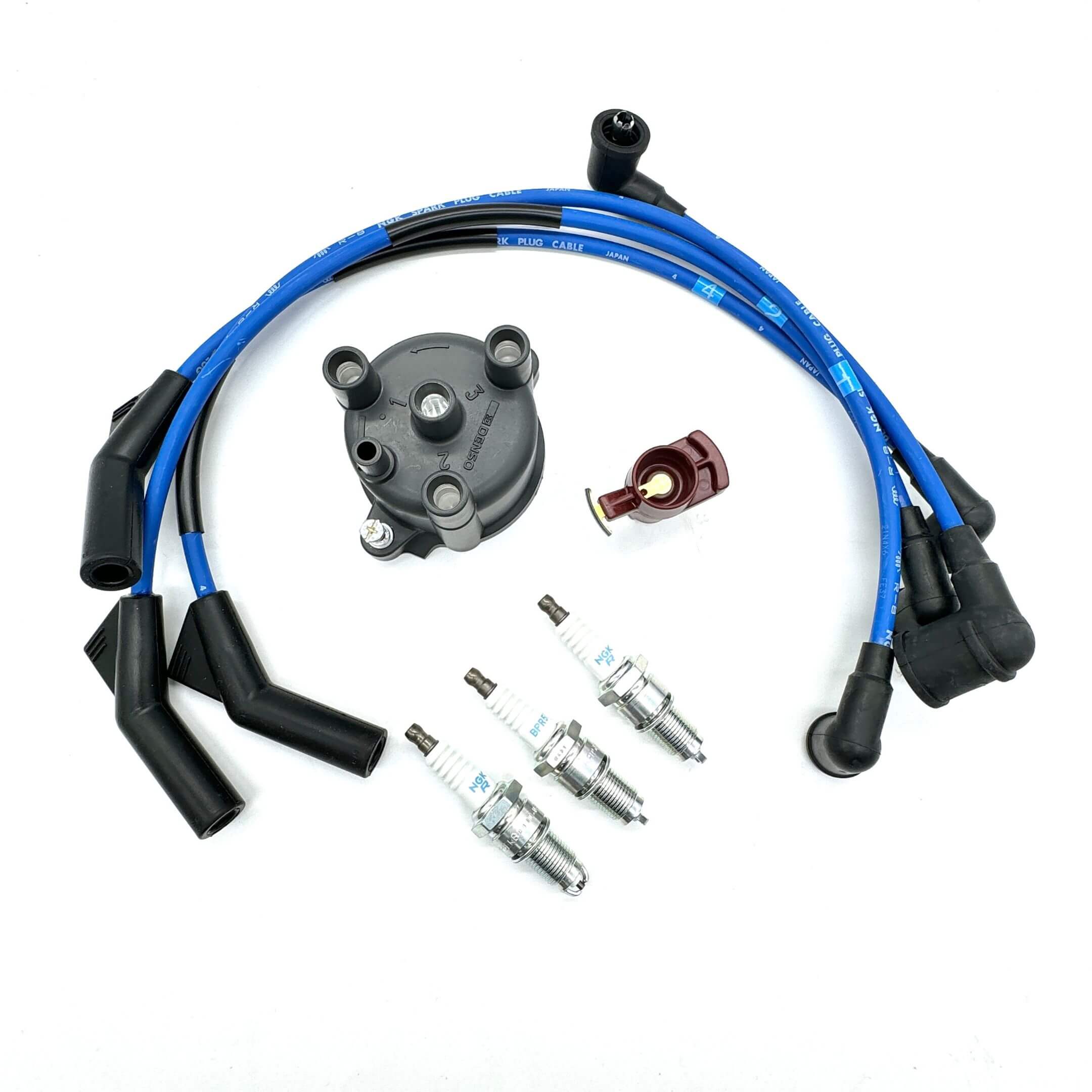
Daihatsu Hijet Engine Parts - S100, S110 Models - 1994-1998
Parts for the 659cc EF engine: carbureted EF-NS, injected EF-ES, turbo EF-TS, and the DOHC EF-GS, EF-ZS, EF-RS trio. Parts follow the engine series, not the year, so read the ENGINE line on your plate first.
Engine parts for the 659cc EF engine in the Daihatsu Hijet S100 and S110, 1994 to 1998. The range covers the carbureted EF-NS, the injected EF-ES, the turbocharged EF-TS and the DOHC EF-GS, EF-ZS and EF-RS trio from late 1995.
Read the ENGINE code on your plate before ordering; parts are engine-code specific.
Engine parts follow the engine series rather than the year, so read the ENGINE line on your identification plate before you order.
The figures published on this page apply only to the engine codes each one names.
Find Your Truck
Engine parts on these trucks follow the engine series, not a calendar year. Your ID plate names it on the ENGINE line, EF-NS, EF-ES, EF-TS, or one of the DOHC codes, sitting right under the S100 or S110 chassis number. Read that series first, because the carbureted plus injected engines rarely share a belt, gasket, or pump.


Your ID plate names it on the ENGINE line. Read it before you order anything.
Choose Your Parts
| Category | Parts included | Replace when |
|---|---|---|
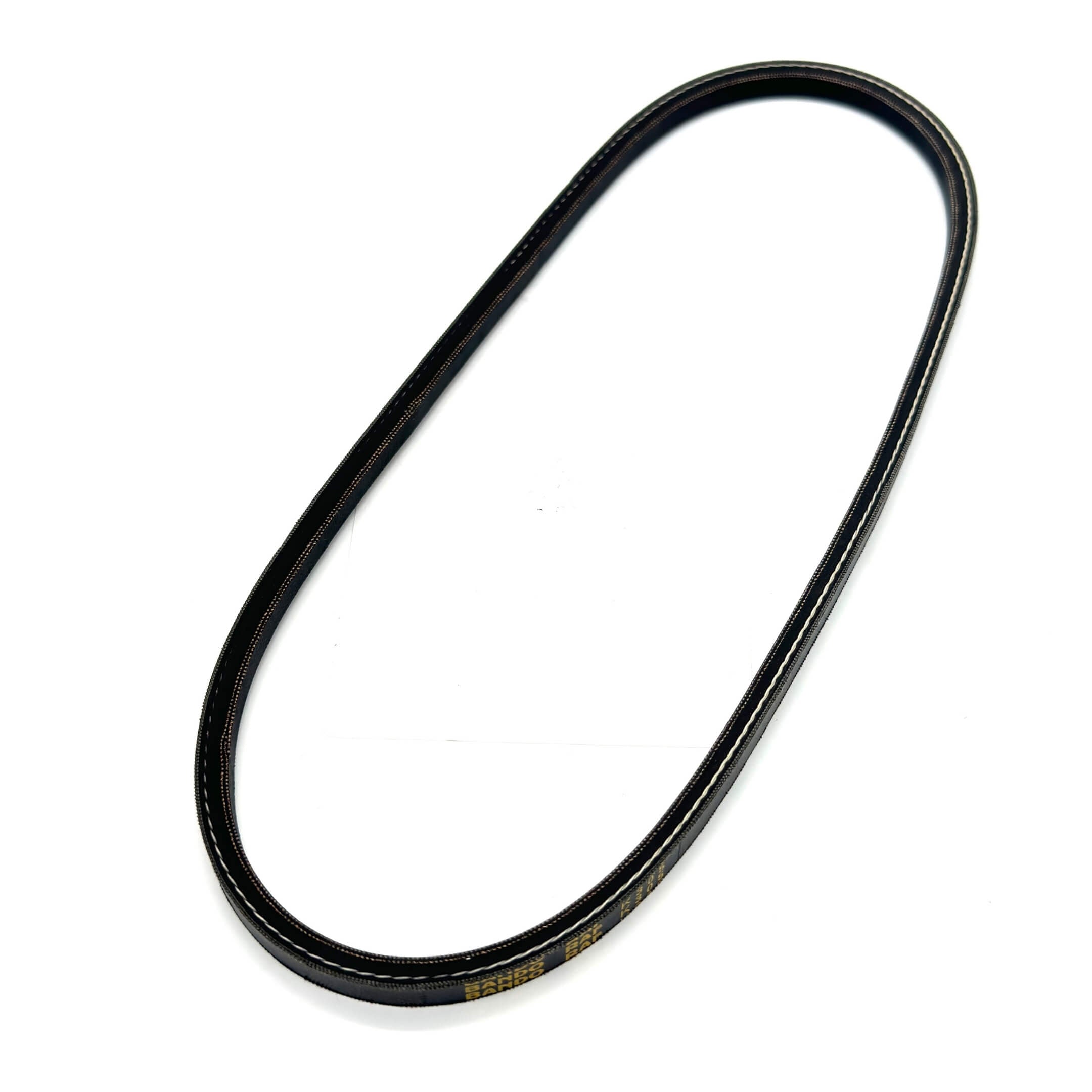
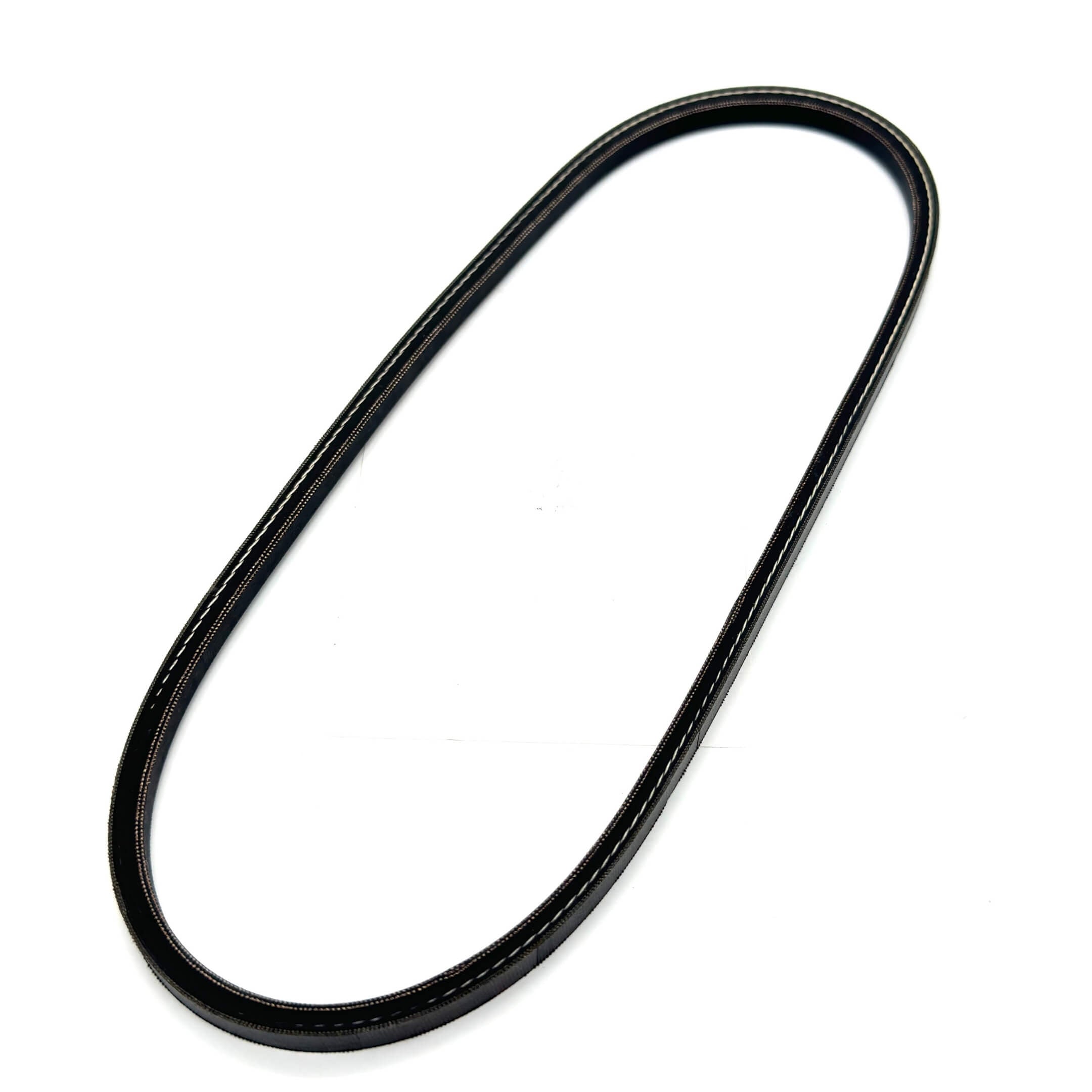
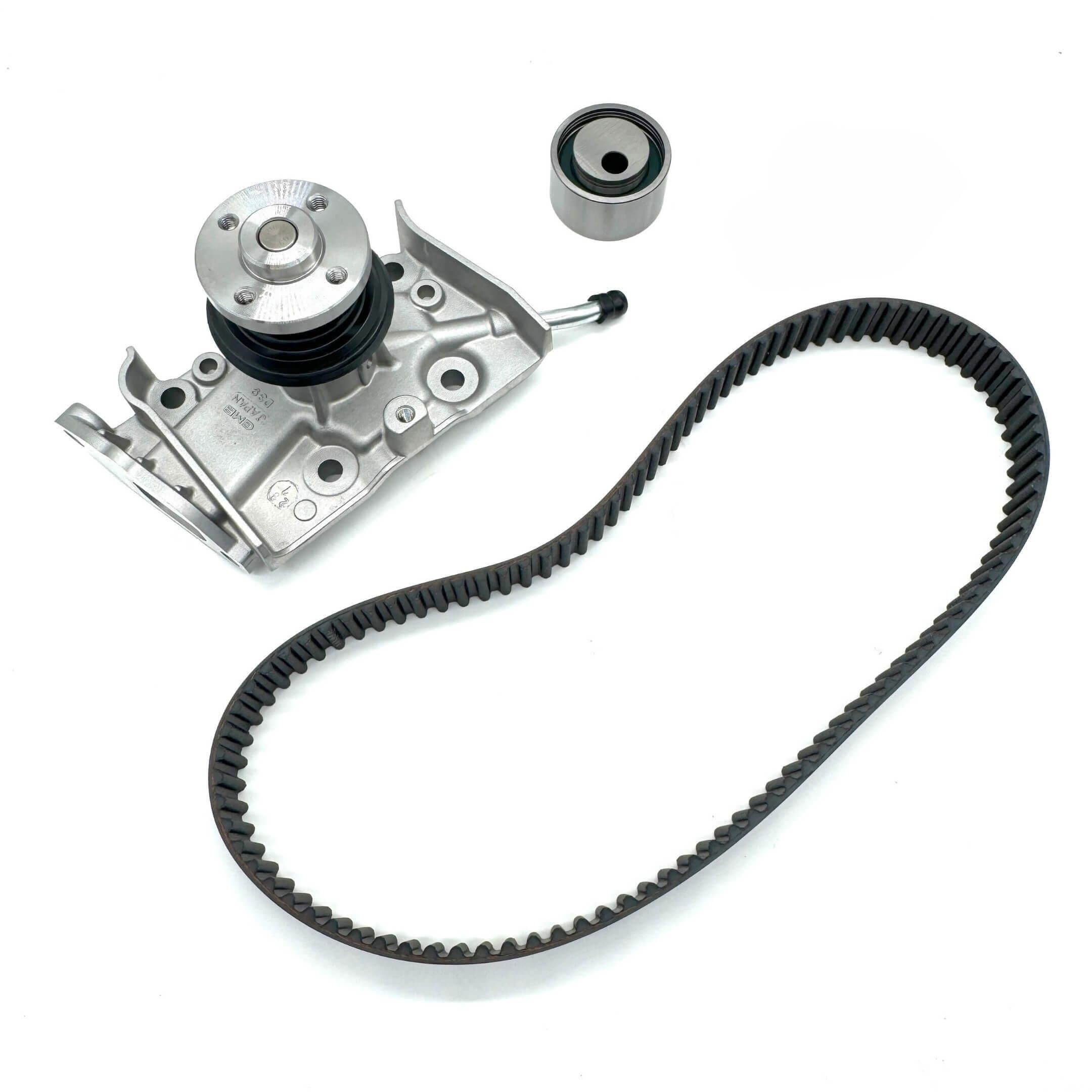
| Timing & Seals | Hijet timing belts, tensioner pulleys, camshaft seals, crankshaft seals, rear main seals. | The belt is a 100,000 km item. Replace it early if it has ever been soaked in oil or coolant. Seals go when you see oil tracking down the lower covers. |
| Gaskets | Valve cover gaskets, intake and exhaust manifold gaskets, timing cover gaskets, oil pump gaskets. | Oil weeping at the cover edges, or an exhaust tick that quiets down once it warms. Any teardown that opens a joint gets new ones anyway. |
| Bottom End | Pistons with pins, piston ring sets, crankshaft bearings, rod bearings - standard sizes. | Oil consumption, or compression that has dropped off. After a spun bearing or a scored bore, this is where the rebuild starts. |
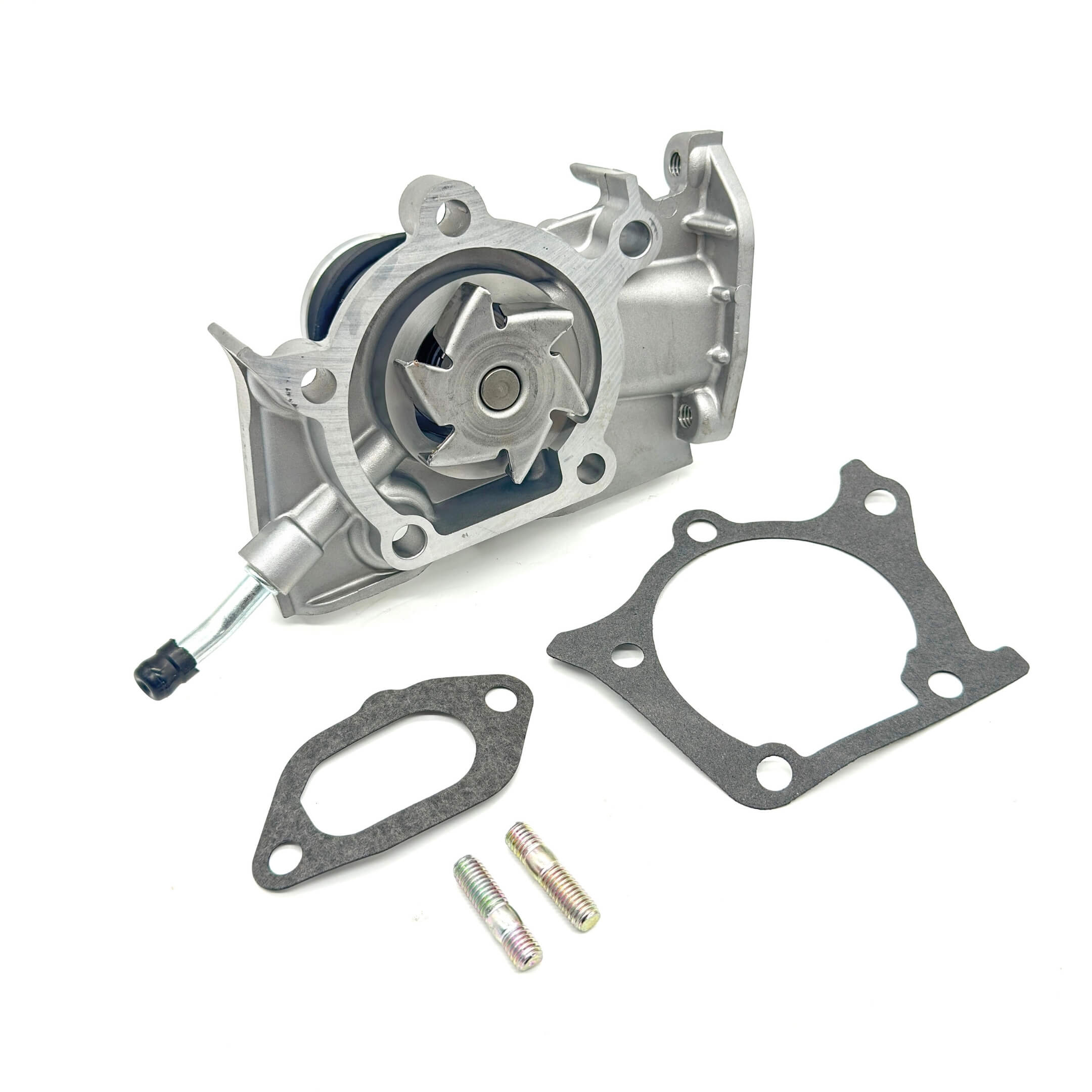
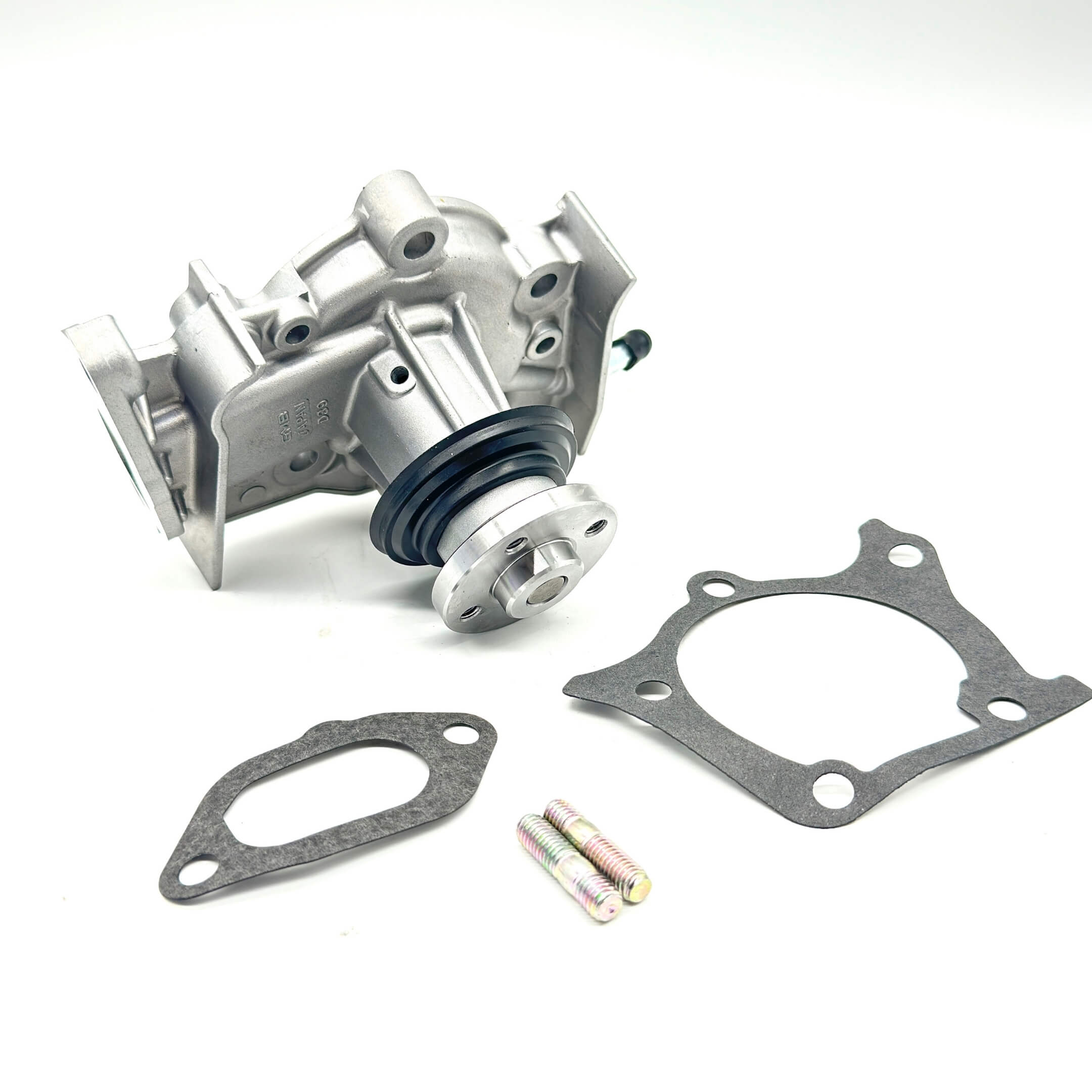
| Cooling Side | Water pumps, thermostats (82°C warm, 88°C cold regions), housing hoses. | Coolant showing at the pump weep hole. Slow warm-up usually means the thermostat, and so does the needle creeping up a long grade. |
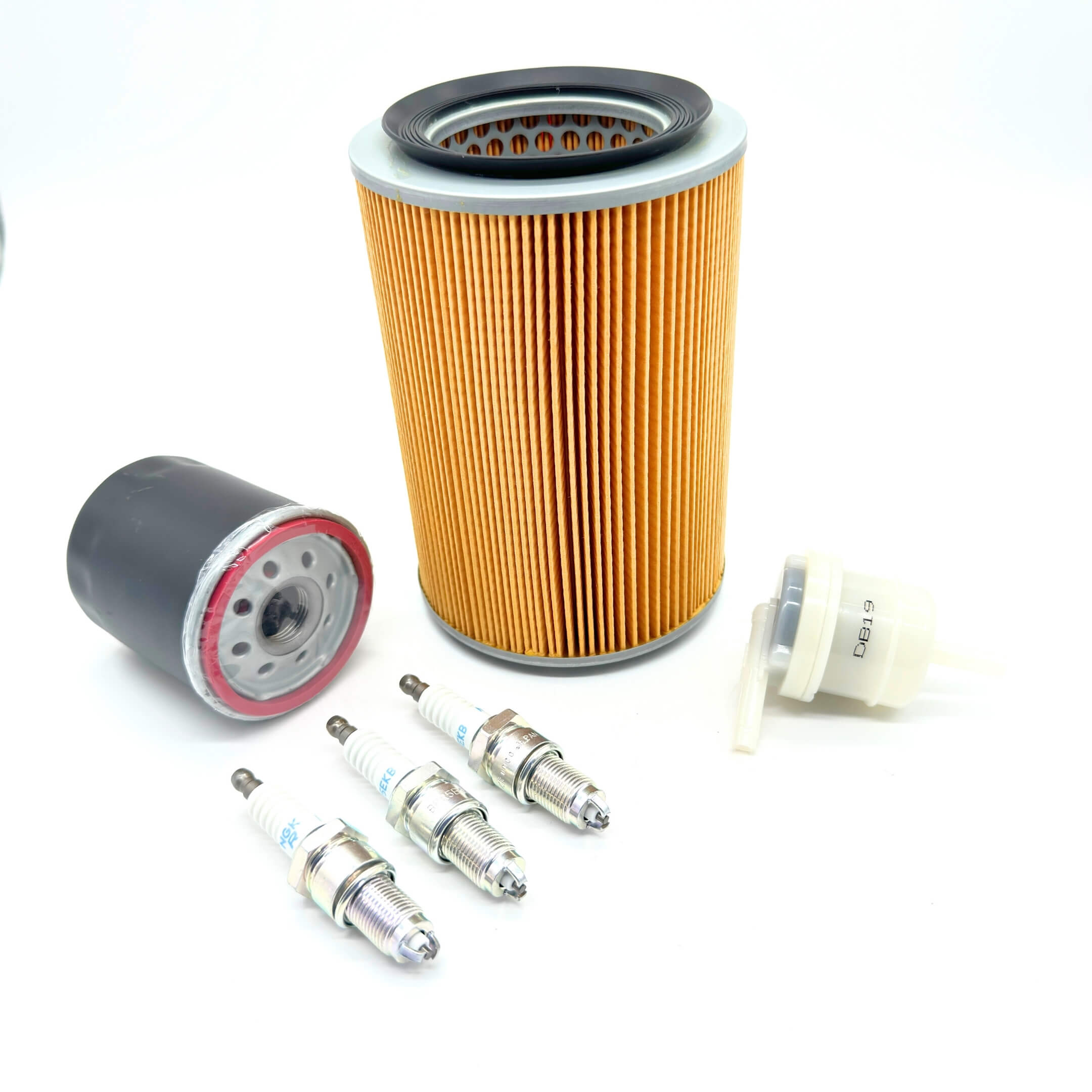
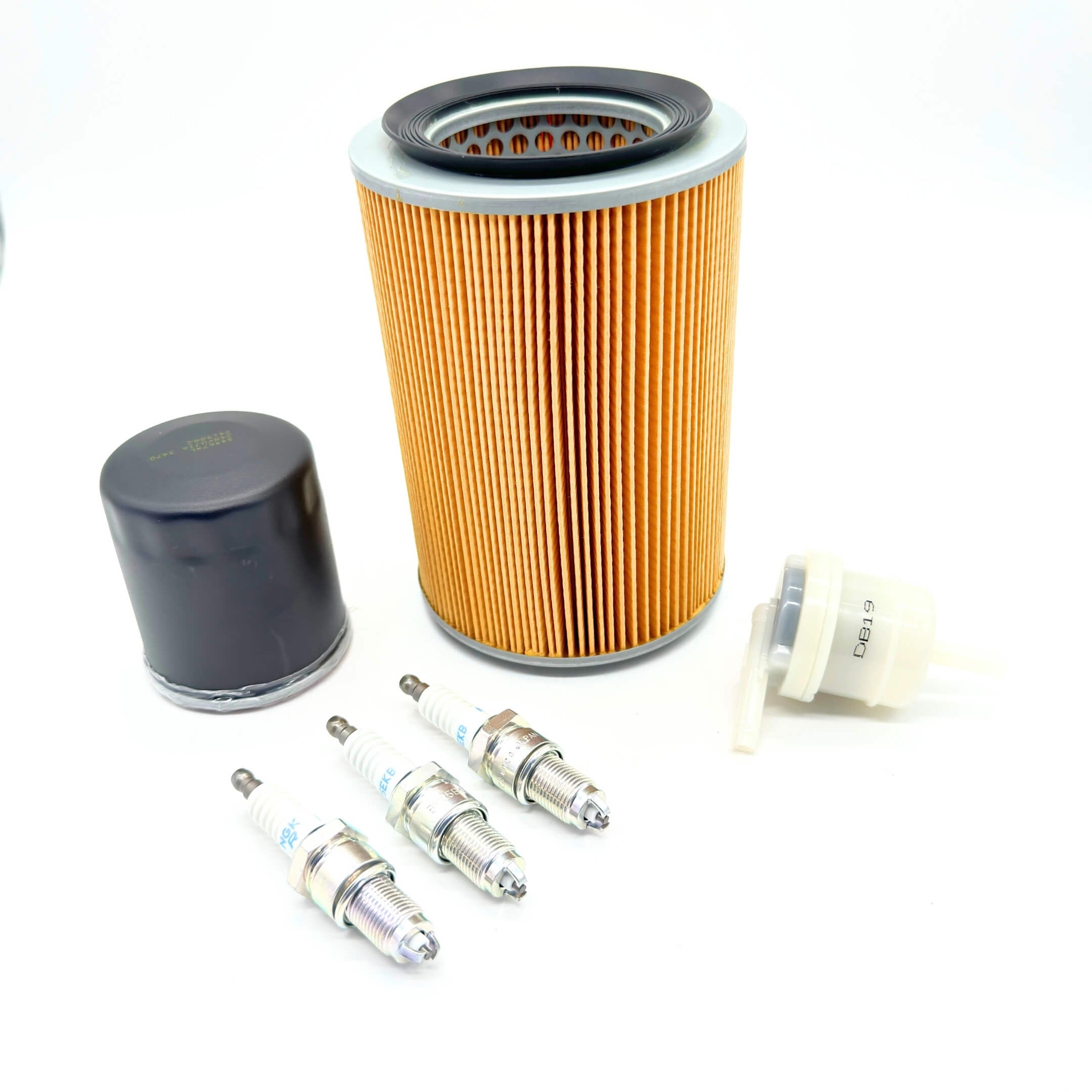
| Oiling | Oil pumps, pump gaskets, dust seals, strainer gaskets, drain plugs with gaskets. | During a timing belt job. The covers are already off and the pump is right there, so it is cheap insurance while you are in. |
| Mounts | Engine mounts left and right, transmission mounts, mount cushions, PTO brackets. | A clunk when you get on the throttle. Cracked rubber you can see from underneath. |
Inspection & Service
Intervals and inspection criteria. An inspection interval is not a replacement interval, and guidance we add from experience is labelled as ours.
| Oil | EF-NS and EF-ES | EF-TS turbo |
|---|---|---|
| Grade | 5W-30, API SE | 10W-30, API SF |
| Capacity, filter left on | 2.7 L | 2.7 L |
| Capacity with a new filter | 3.1 L | 3.1 L |
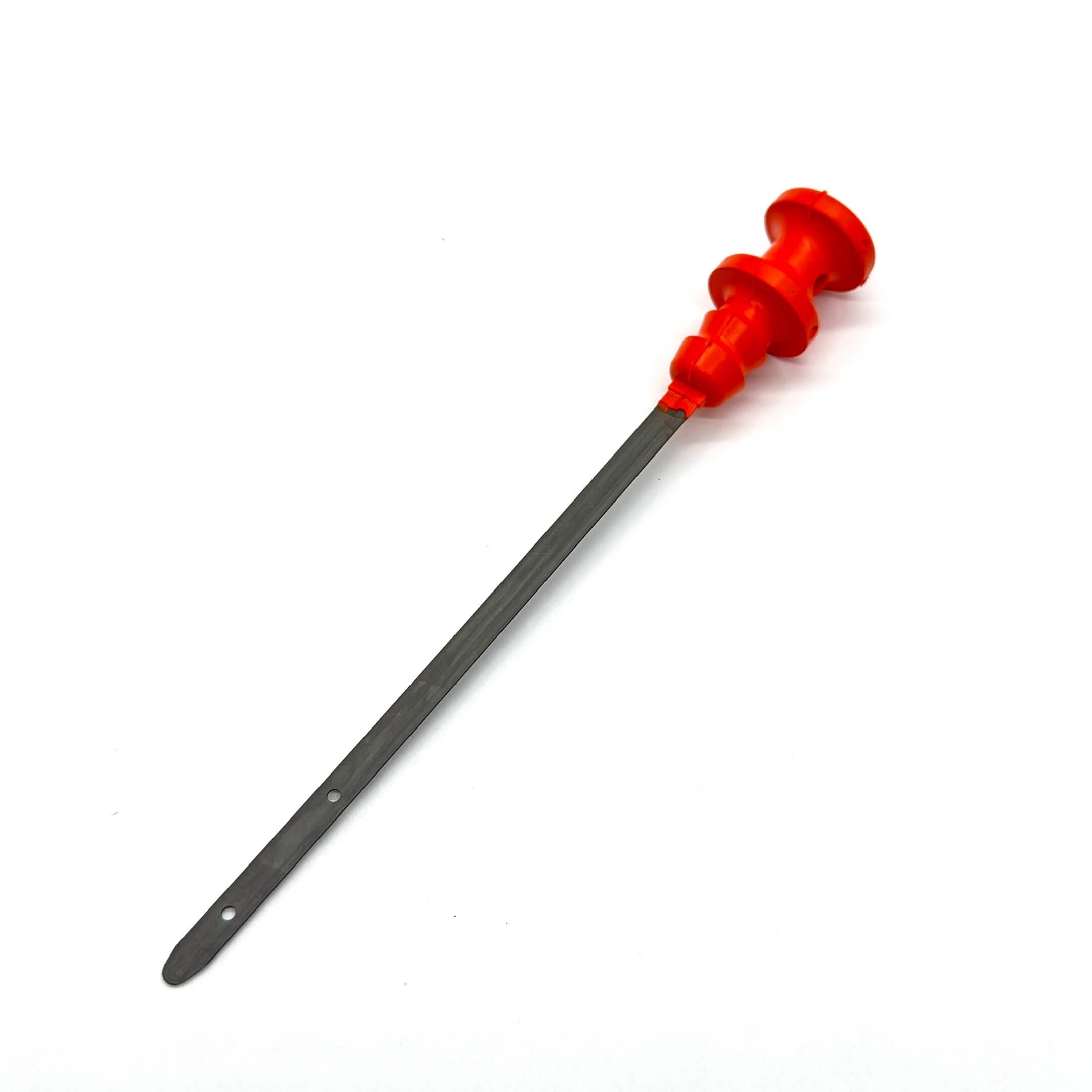
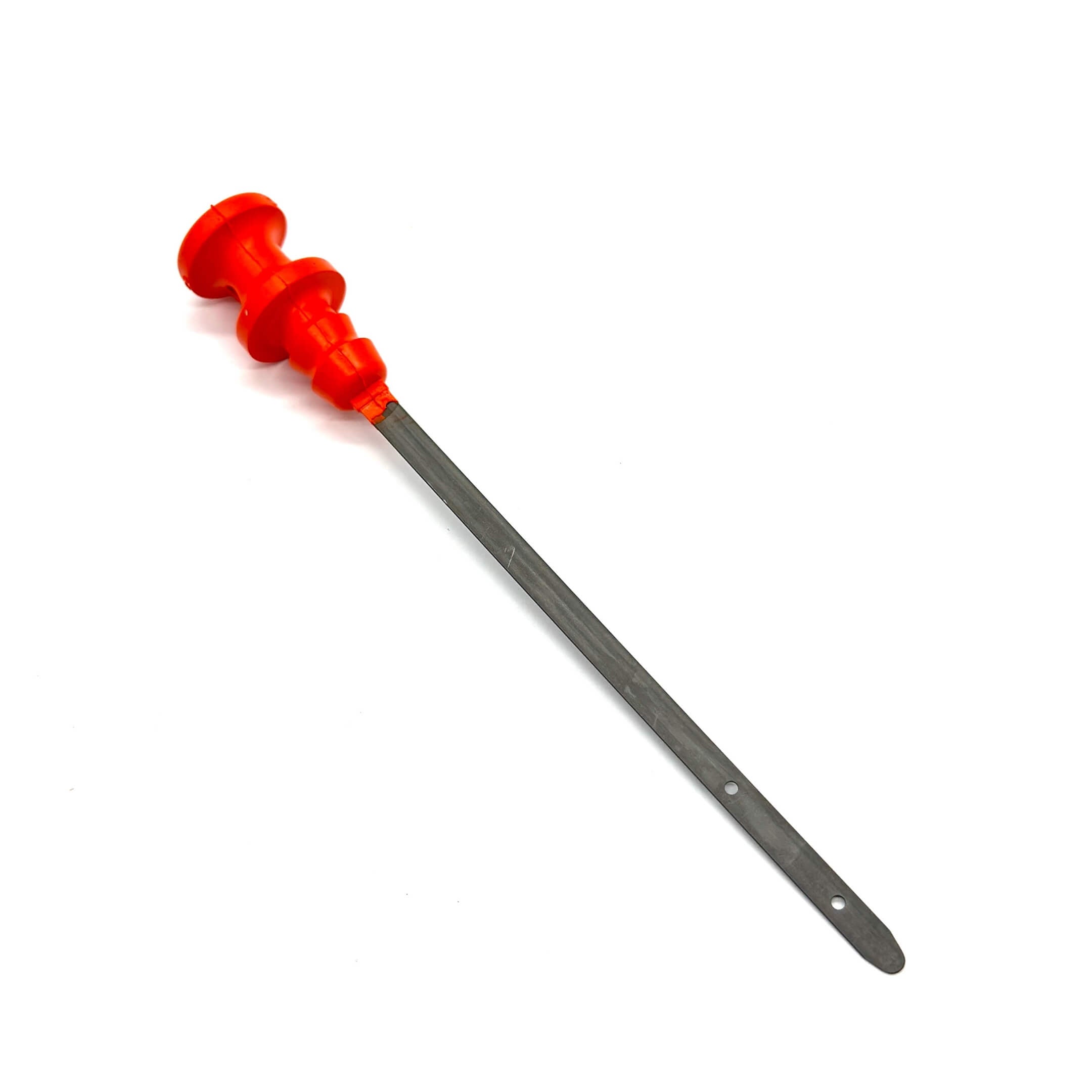
| Dipstick LOW to FULL | 1.0 L | 1.0 L |
| Change interval | 10,000 km | 5,000 km |
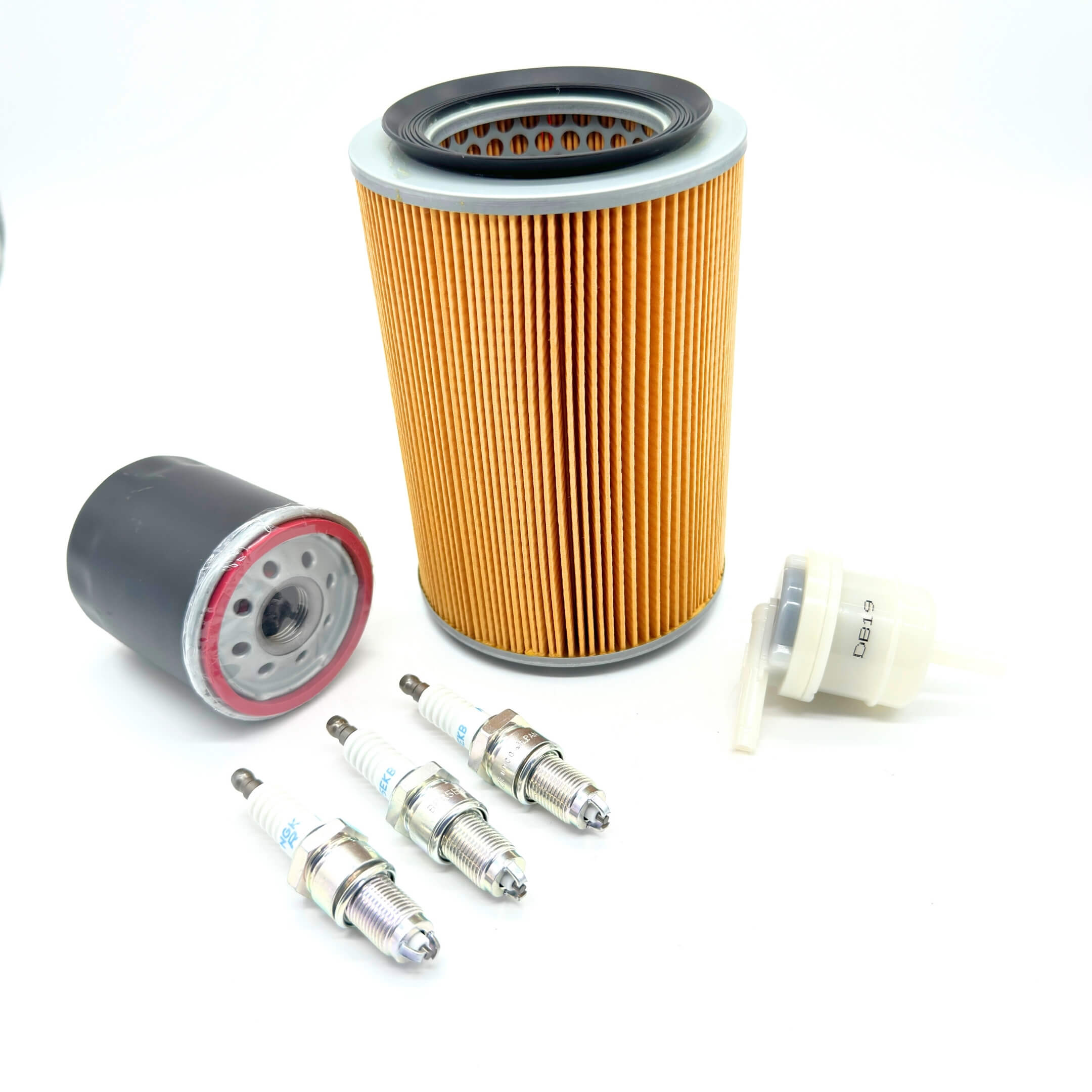
| Filter interval | 10,000 km | 10,000 km |
Or six months, whichever comes first. The turbo runs its oil half as long. The six-month figure comes from the material used for this collection and has not been independently reverified.
| Drive belt deflection | Straight after fitting | After it has run |
|---|---|---|
| A new belt | 6.0 to 7.0 mm | 8.5 to 12.0 mm |
| A used belt | 7.5 to 8.5 mm | 8.5 to 12.0 mm |
Measured under a 10 kgf push. Run it 5 minutes before you recheck.

Timing, Lubrication & Cooling
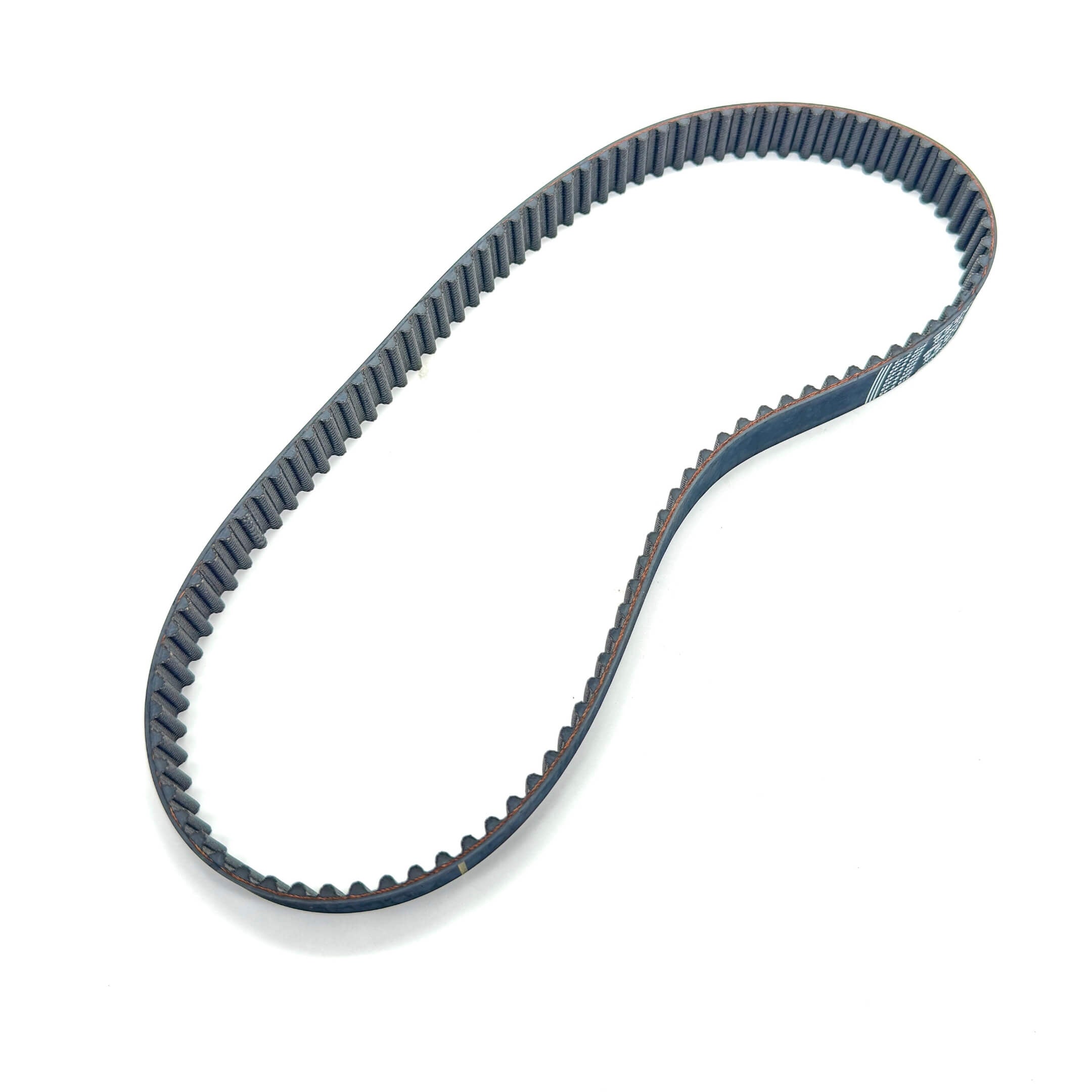
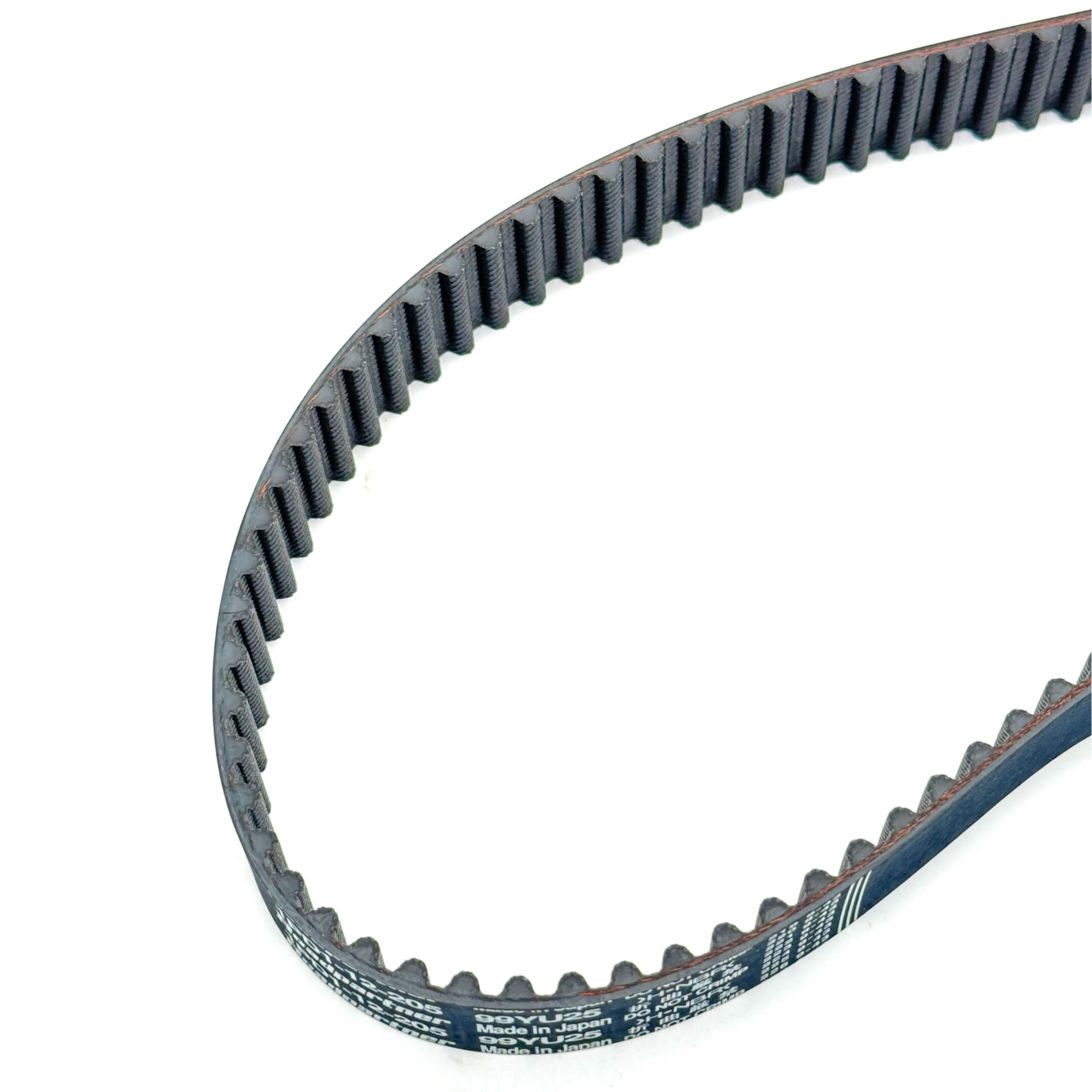
What it is. A rubber belt with teeth on the inside. It keeps the top half of the engine turning in step with the bottom half. Slip one tooth and the engine runs rough, or will not start.
Why it matters when you are ordering. Six repairs on this engine begin by taking it off: the two front oil seals, the head gasket, the valve seals, the oil pump, and the pistons. Buy any of those and the belt is coming off anyway.


- It has had coolant on it.
- It has had oil on it.
- Something has jammed the engine.
So if your water pump was leaking, you need a belt too.
Internal Engine & Rebuild
Pistons A turbo takes its own, 0.01 mm narrower. The whole clearance is only 0.04 mm, so never put naturally aspirated pistons in a turbo.
Piston sizes Three from the factory, not one, stamped on the piston. Measure your bore before you order.


| Item | Standard | Service limit |
|---|---|---|
| Cylinder head warp | flat | 0.10 mm |
| Head height after skimming | 100 mm | 99.8 mm |
| Block deck warp | flat | 0.08 mm |
| Piston to bore clearance | 0.025 to 0.045 mm | 0.10 mm |
| Top ring end gap | 0.25 to 0.40 mm | 0.65 mm |
| Oil ring end gap | 0.2 to 0.7 mm | 1.0 mm |
| Main bearing oil clearance | 0.020 to 0.044 mm | 0.07 mm |
| Crankshaft runout | true | 0.03 mm |
| Crank end float | 0.02 to 0.22 mm | 0.30 mm |
| Bore ovality and taper | not printed | 0.03 mm |
| Oil pump tip clearance | 0.17 to 0.24 mm | 0.35 mm |
| Oil pump body clearance | 0.10 to 0.185 mm | 0.25 mm |
You get 0.2 mm of skim on this head. Total. Ask what a machine shop has already taken off a used one.
A worn bore gets bored bigger and takes a bigger piston. A worn crank journal gets ground smaller and takes a thicker bearing. Daihatsu catalogued a set number of those steps and no more.
| When this wears out | How many times you can do it |
|---|---|
| Cylinder bores and pistons | Four: 0.25, 0.50, 0.75 and 1.00 mm over |
| Crank main journals | Twice: 0.25 and 0.50 mm under |
| Crank pins and rod bearings | Twice: 0.25 and 0.50 mm under |
| Crankshaft end float | Two oversize thrust washers |
| Valve guides | The guide bush was only ever sold oversize |
Those steps run out. A block already bored 1.00 over has nothing left. Worth asking before you buy a used engine, because nothing on the outside tells you.
Oiwa guidance.Buy rings as a set from one maker, and put every piston back in the cylinder it came out of.
Troubleshooting & Checks
A symptom tells you where to look. It is not a diagnosis, and it is not a reason to order a component on its own. Confirm the part before you buy it.
| What you notice | What to check |
|---|---|
| Oil consumption, or compression that has dropped off | Bottom end. Confirm with a compression test before ordering. The figures are in Specifications. |
| Oil tracking down the lower covers | Camshaft and crankshaft seals. |
| Oil weeping at the cover edges | Valve cover and timing cover gasket joints. |
| An exhaust tick that quiets down once it warms | Intake and exhaust manifold gasket joints. |
| Coolant showing at the pump weep hole | Water pump. A pump that has leaked means the timing belt is replaced with it. |
| Slow warm-up, or the needle creeping up a long grade | Thermostat. Slow warm-up usually means the thermostat. |
| A clunk when you get on the throttle | Engine and transmission mounts. Look for cracked rubber from underneath. |
| A rough idle | A crossed pair in the firing order. The order is 1-2-3. |
| Runs rough, or will not start | A timing belt that has slipped a tooth. |
| Rockers clatter, or a stripped rocker thread | Rocker shaft torque. It differs by engine code. See Specifications. |
Installation & Service
- Levering the old one off with a screwdriver.
- Folding or kinking it.
- Putting a used one back facing the other way.
- Turning the engine over from the top pulley instead of the bottom one.
- Reusing one with cracks.


Head bolts and rod caps go on oiled threads. Torque them dry and the joint ends up loose.
Valve stem seals Same seal, two fittings. EF-NS and EF-TS press to a set depth with a tool. The EF-ES goes on by hand.
| Job | What has to be new |
|---|---|
| Cylinder head | Head gasket, intake manifold gasket, front exhaust pipe gasket |
| Oil pump | Pump gasket, strainer gasket, T-type oil seal, cotter pin |
| Crankshaft front seal | The T-type oil seal |
| Engine out and back in | Every fuel hose gasket. On automatics, the oil cooler gaskets and hoses |
| Anything, anywhere | Always replace packings and gaskets with new parts |
Specifications
Valve gap The slack between the rocker arm and the top of the valve. Set cold.
Idle speed Where the engine sits warm, in neutral, foot off the pedal.
Ignition timing How far before the piston tops out the plug fires.
| The setting | EF-NS carbureted | EF-ES injected | EF-TS turbo |
|---|---|---|---|
| Valve gap, intake, cold | 0.18 ± 0.05 mm | 0.20 ± 0.05 mm | 0.18 ± 0.05 mm |
| Valve gap, exhaust, cold | 0.25 ± 0.05 mm | 0.30 ± 0.05 mm | 0.25 ± 0.05 mm |
| Idle speed | 950 ± 50 rpm | 850 ± 50 rpm | 900 ± 50 rpm |
| Ignition timing | 7° at 950 rpm | 5° at 850 rpm | 10° at 900 rpm |
| What you are tightening | EF-NS and EF-TS | EF-ES |
|---|---|---|
| The rocker cover, the lid on top | 48 in·lb | 65 in·lb |
| The rocker shaft underneath it | 15 ft·lb | 29 ft·lb |
The rocker shaft is the one that bites. Nearly double on an EF-ES. Too loose and the rockers clatter, too tight and you strip the thread.
How tight every bolt goes
| Fastener | kg·cm | N·m | ft·lb |
|---|---|---|---|
| Cylinder head bolts | 500-600 | 53.9 | 39.8 |
| Main bearing caps | 540-660 | 58.8 | 43.4 |
| Connecting-rod caps | 310-430 | 36.3 | 26.8 |
| Crank pulley | 900-1,100 | 98.1 | 72.3 |
| Camshaft timing pulley | 600-900 | 73.5 | 54.2 |
| Timing-belt tensioner | 400 ± 80 | 39.2 | 28.9 |
| Distributor | 195 ± 39 | 19.1 | 14.1 |
| Intake manifold | 195 ± 39 | 19.1 | 14.1 |
| Front exhaust pipe | 495 ± 75 | 48.5 | 35.8 |
| Oil pump | 200 ± 40 | 19.6 | 14.5 |
| Oil pan | 70 ± 5 | 6.9 | 5.1 |
| Oil strainer | 80 ± 16 | 7.8 | 5.8 |
| Oil pan drain plug | 250 ± 50 | 24.5 | 18.1 |
| Powertrain stiffener | 185 ± 35 | 18.1 | 13.4 |
| A/C compressor bracket | 620 ± 120 | 60.8 | 44.8 |
| Alternator, upper mount | 300 ± 60 | 29.4 | 21.7 |
| Alternator, lower mount | 400 ± 80 | 39.2 | 28.9 |
| Spark plug | 150-210 | 17.7 | 13.0 |
Every engine number on one screen
| What you are checking | The figure |
|---|---|
| Compression, naturally aspirated | 10.0 kg/cm² or more at 400 rpm |
| Compression, turbo | 9.0 kg/cm² or more at 400 rpm |
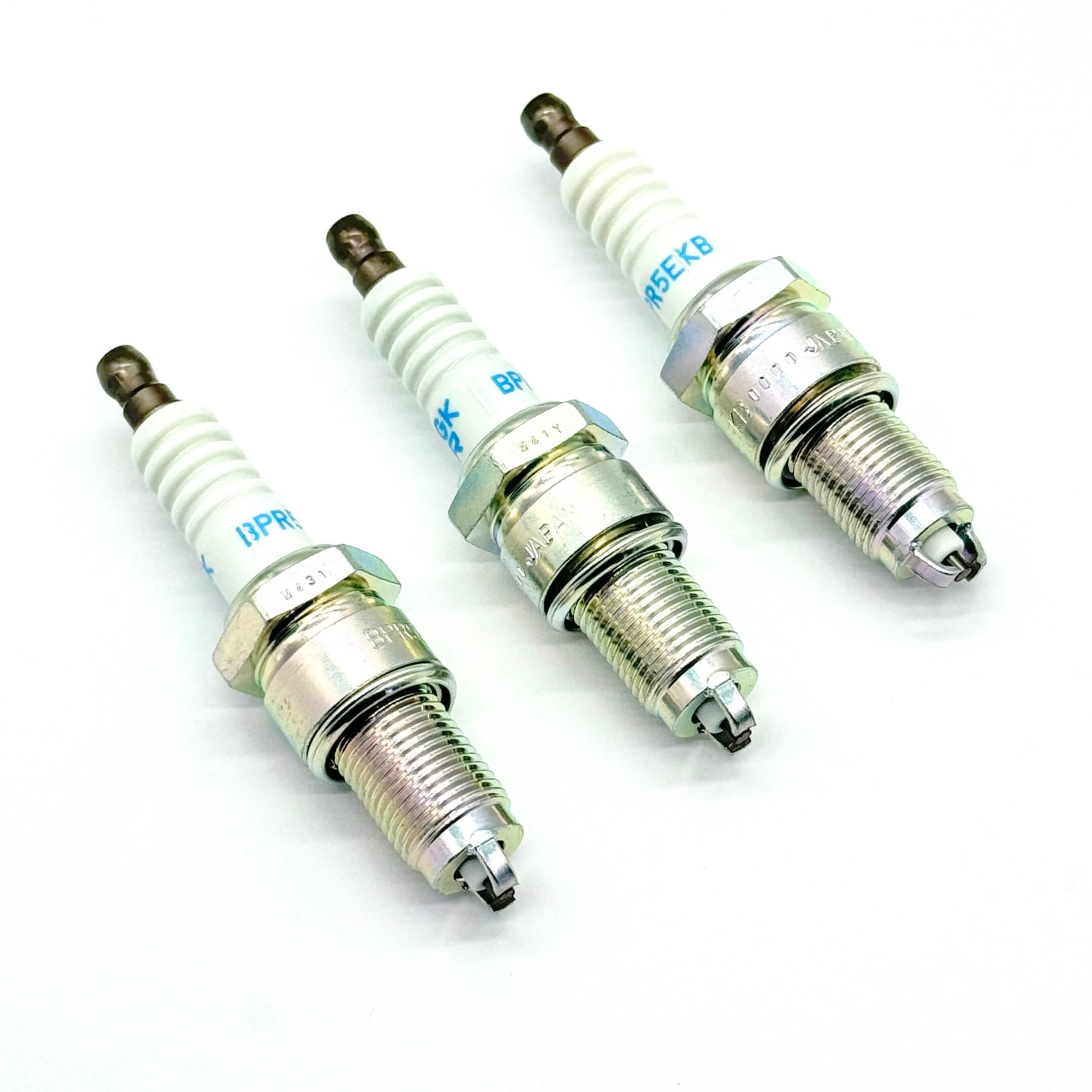
| Spark plug gap | 0.9 to 1.0 mm |
| Valve gap cold, EF-NS and EF-TS | 0.18 intake, 0.25 exhaust, ± 0.05 mm |
| Valve gap cold, EF-ES | 0.20 intake, 0.30 exhaust, ± 0.05 mm |
| Idle speed | 950 EF-NS, 850 EF-ES, 900 EF-TS, ± 50 rpm |
| Timing belt tensioner gap | 11 to 13 mm |
| Drive belt deflection, settled | 8.5 to 12.0 mm |
| Oil capacity with a new filter | 3.1 L |
| Oil change interval | 10,000 km, or 5,000 km on the turbo |
| Head skim available | 0.2 mm total, down to 99.8 mm |
| Piston width, smallest factory size | 67.965 to 67.975 mm, turbo 67.955 to 67.965 mm |
| Valve stem seal depth | 17.0 to 17.8 mm, except EF-ES |
| Oil pump relief valve opens | 4.6 to 5.4 kg/cm² |
| Accelerator pedal free play | 1 to 4 mm |
Source: the Daihatsu factory service manual for these trucks.
Factory Notes
The figures on this page cover the engine codes they name. The source material used for this collection sets out values for EF-NS, EF-ES and EF-TS. It does not establish separate figures for the DOHC EF-GS, EF-ZS and EF-RS engines, so nothing here should be read across to them. Add your ENGINE code at checkout and we will confirm the part before shipping.
Where the identification plate is mounted is not stated here. Our sources disagree on its location, so rather than print one of them we have left it out. The plate itself carries the CHASSIS NO. and the ENGINE line wherever it sits. Send us a photo if you cannot find it.
There is no oil pressure spec for this engine. Daihatsu never printed one. So if someone quotes you an oil pressure number for an EF, it did not come from this manual. The one pressure the book gives is the oil pump relief valve, 4.6 to 5.4 kg/cm². This is what the source material used for this collection shows, and it has not been independently reverified against the complete factory literature.
Piston to bore clearance is described two ways. The note in Internal Engine & Rebuild says the whole clearance is only 0.04 mm. The wear table gives a standard of 0.025 to 0.045 mm and a service limit of 0.10 mm. Both are reproduced as printed. We have not chosen between them.
Where can I buy Daihatsu Hijet engine parts in the United States?
Daihatsu Hijet engine parts are available from Oiwa Garage for S100 and S110 models. Availability varies by part, so check the individual product page. Not sure you selected the right part? Add your ENGINE code plus your CHASSIS NO. at checkout, or send a photo of the identification plate, and we’ll verify fitment before shipping.
Our 100% Fitment Guarantee
Add your VIN or chassis number at checkout and we verify the fitment of every part in your order before anything ships. We check your full chassis code and the engine series on your ENGINE line, EF-NS, EF-ES, EF-TS or one of the DOHC codes, because engine parts follow the series rather than the year. If anything does not match your truck, we contact you before dispatch. If something arrives wrong, we exchange it or refund you in full. No hassle, no runaround.
Contact Our Fitment Specialistsor text us directly at 562-661-8862
Fitment verified by the Kei Truck specialists at Oiwa Garage · Collection description updated August 2026.