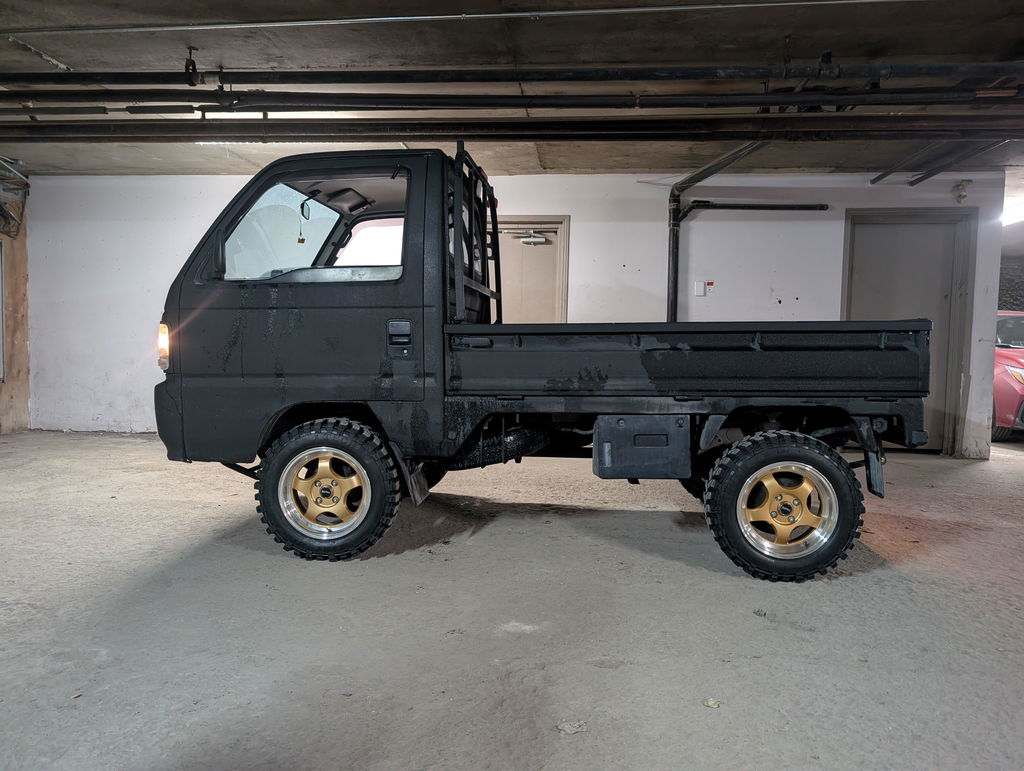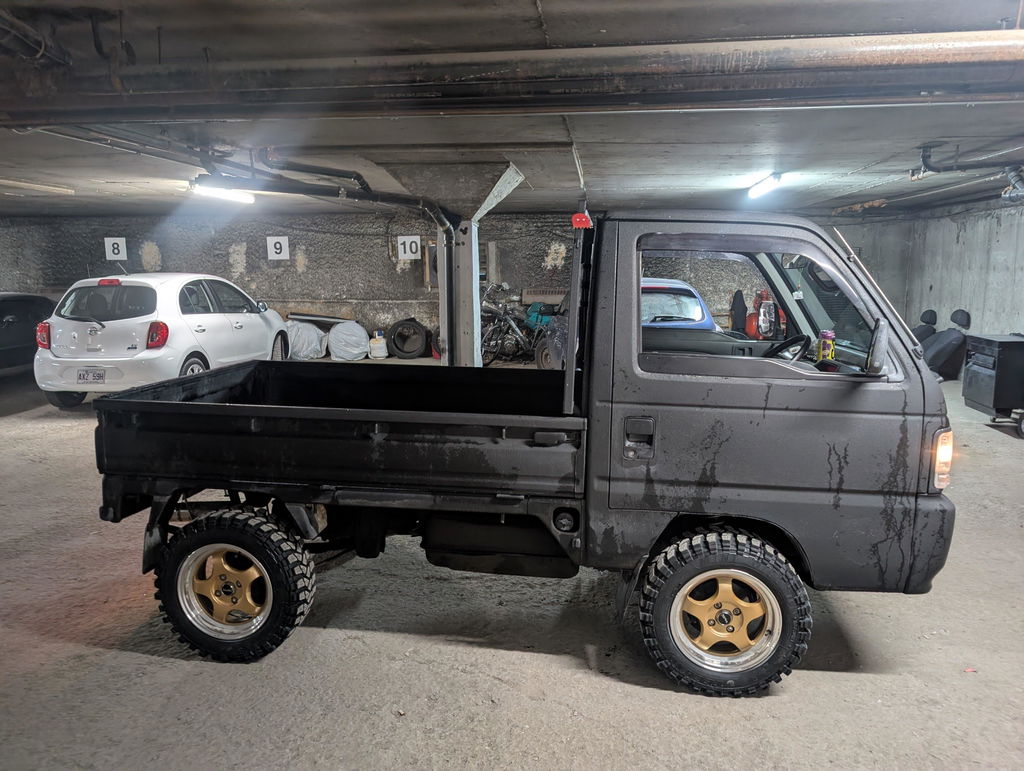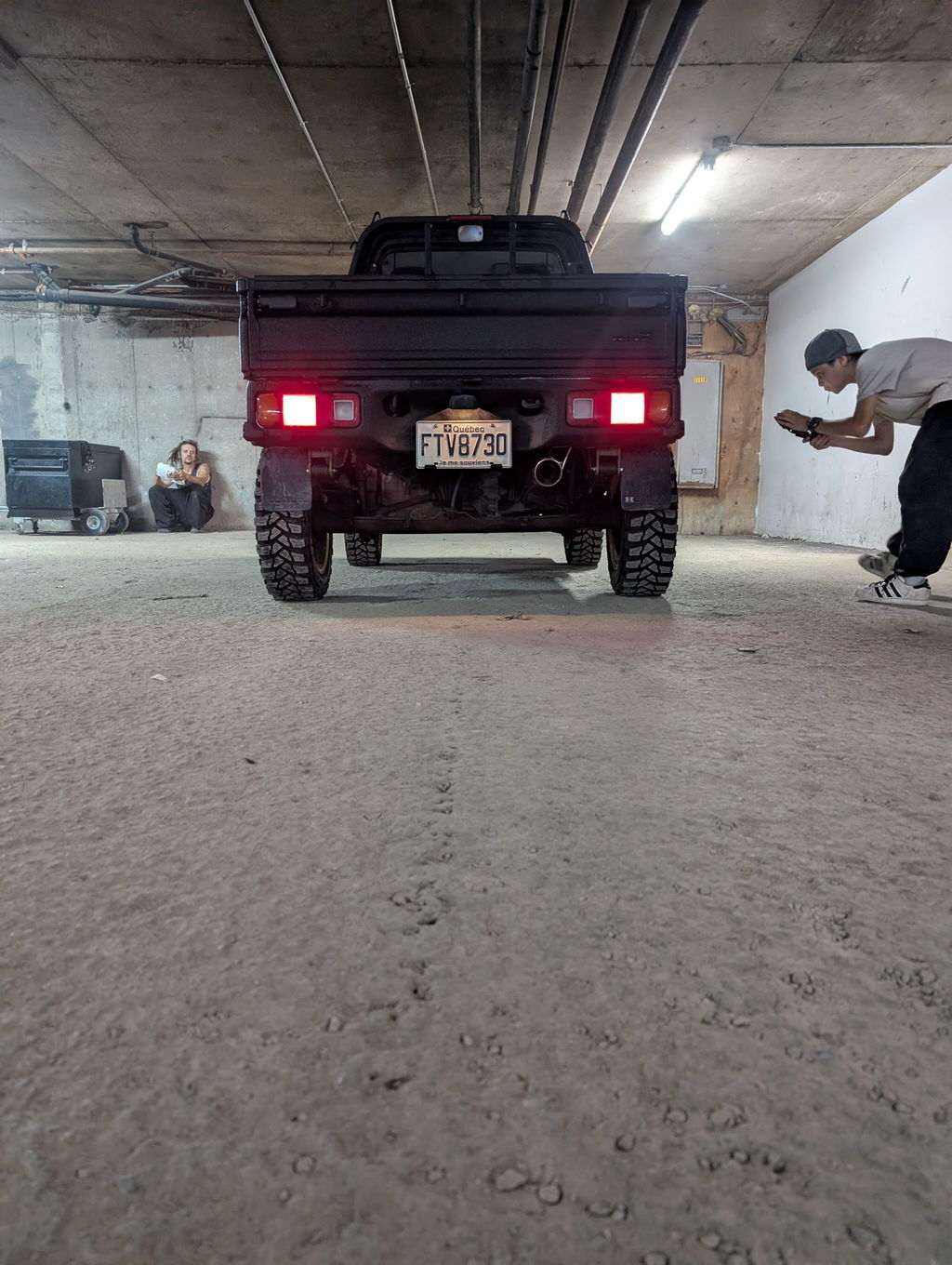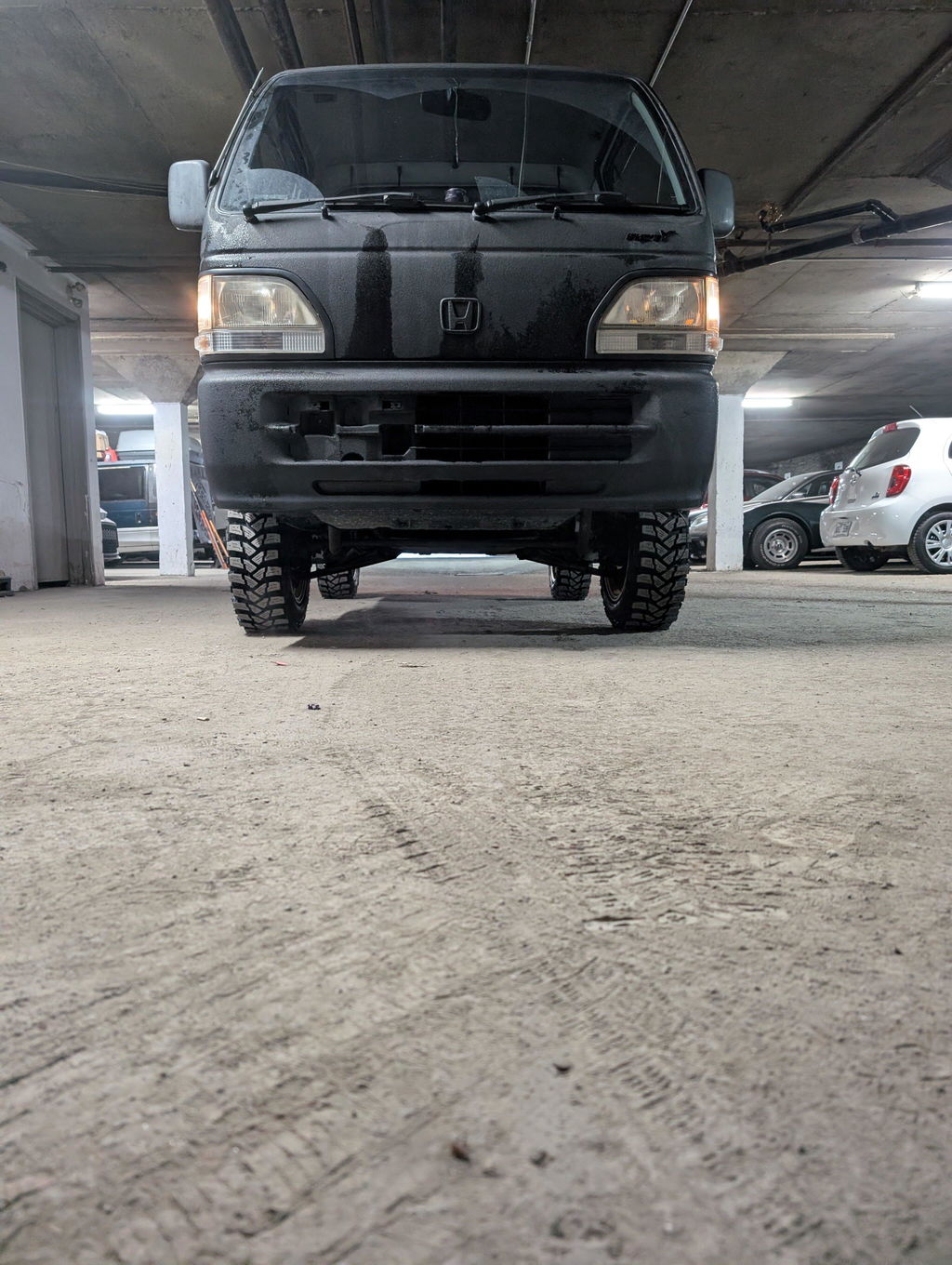
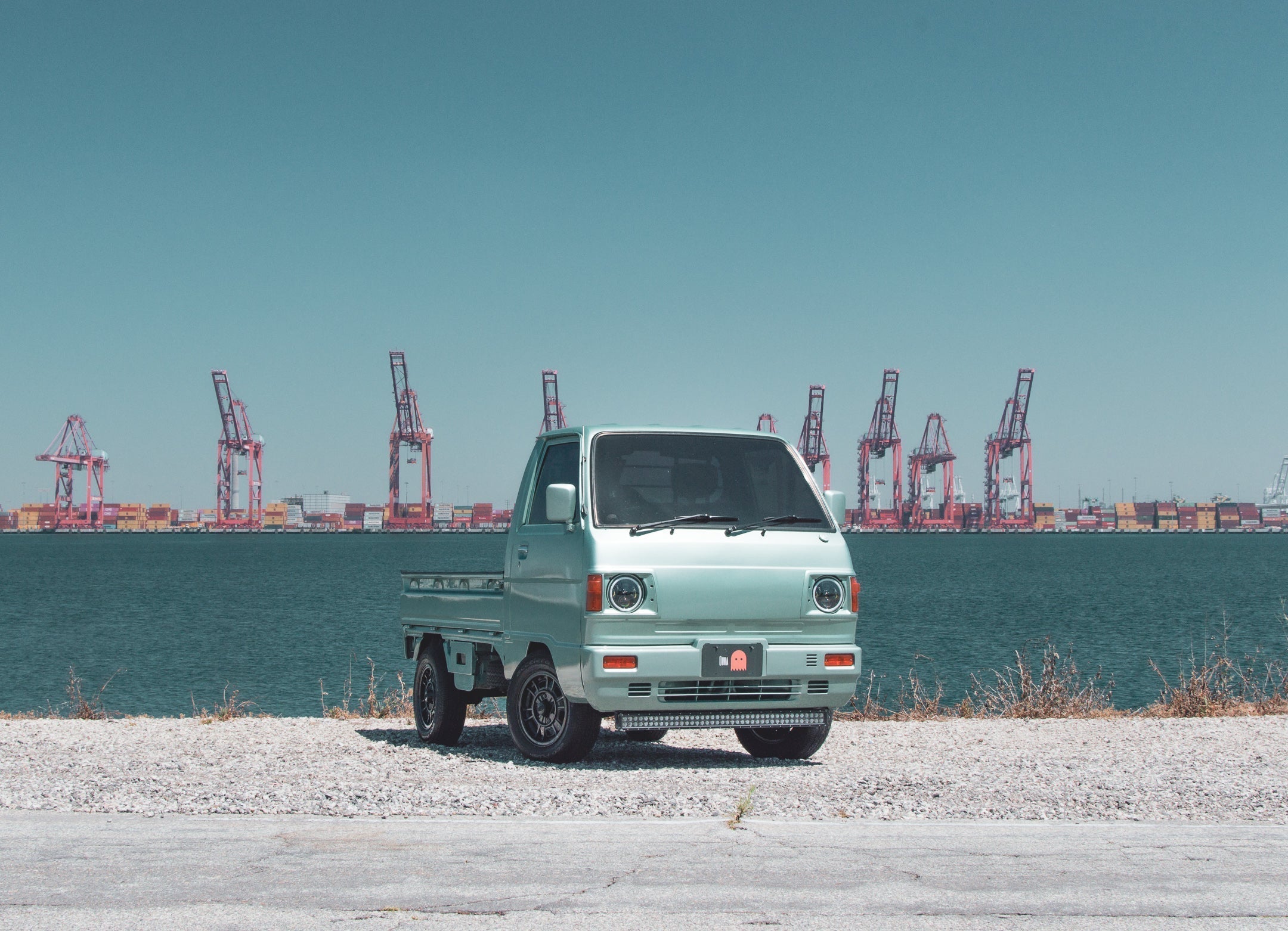
Thinking about buying an imported Japanese mini truck but worried about the legalities of driving it on Texas roads? You are not alone. Navigating state title laws for imported right-hand drive (RHD) vehicles can be tricky. Fortunately, recent updates to state legislation have made the process much clearer for enthusiasts, farmers, and business owners alike.
Table of Contents
The Legal Framework: Texas SB 1816 Explained
Texans are legally allowed to title, register, and drive kei vehicles, including kei trucks, in the state. This approval follows the passage of Senate Bill (SB) 1816, which took effect in June, 2025. While the law doesn’t specifically name the kei class in its documentation, the legislation falls under the “operation of a miniature vehicle,” which applies to kei automobiles.
When evaluating how Texas law governs kei truck registration, it’s essential to distinguish between state and federal regulations. A kei truck must be at least 25 years old to be legally titled, registered, and driven on public roads in the state. This 25-year rule aligns with federal vehicle import standards, which dictate how a kei truck legally enters the U.S. under National Highway Traffic Safety Administration (NHTSA) and Environmental Protection Agency (EPA) exemptions.

Required Documents for Texas Registration
It’s vital to have complete import and ownership documentation before applying for kei truck titling and registration in Texas. Missing a single customs form can cause your local County Tax Assessor-Collector office to reject your application. Below is the core list of documentation you must prepare:
| Document Name | Agency / Source | Purpose for Kei Truck Owners |
|---|---|---|
| TxDMV Form 130-U & VTR-130-UIF | Texas DMV | The core Application for Texas Title and/or Registration. The VTR-130-UIF instruction sheet explicitly helps complete this form for imported, non-standard vehicles. |
| TxDMV Form VTR-61 | Texas DMV | Required when an imported vehicle needs to be properly accounted for under Texas rebuilding/assembly guidelines to obtain a clean title. |
| CBP Form 7501 | U.S. Customs & Border Protection | Documents formal entry into the U.S. and customs duty payments. Usually provided by your vehicle dealer or customs broker. |
| EPA Form 3520-1 | Environmental Protection Agency | Proves emissions exemption status (granted automatically under the federal 21-year rule). |
| DOT Form HS-7 | U.S. Dept of Transportation | Declares how the vehicle complies with or is exempt from Federal Motor Vehicle Safety Standards (FMVSS) via the 25-year rule. |
| Original Export Certificate & Translation | Japanese Authorities / Certified Translator | The official foreign ownership document showing history and unregistration in Japan. It must be accompanied by a certified English translation. |
Texas Safety Inspection & Equipment Checklist
Texas title and registration approval hinges on your miniature vehicle passing a standard physical safety evaluation. If your imported truck has spent years sitting on a farm or in a Japanese yard, you may need to replace basic wear-and-tear items to get it street legal.
Before heading to a certified Texas safety inspection station, ensure your truck features functioning factory or replacement equipment:
- Headlights & Taillights: Must illuminate properly. Factory Japanese lenses may require adjustment or replacement to comply with local visibility standards.
- Turn Signals: Front and rear indicators must function correctly.
- Windshield Wipers: Blades must be supple and clear the glass completely without streaking.
- Rearview Mirrors: Driver-side and center or passenger-side mirrors must provide an unobstructed rear view.
- Speedometer: Must accurately display vehicle speed. Note that standard Japanese speedometers read in kilometers per hour (km/h); this is acceptable in Texas, but the gauge must work.
- Seatbelts & Brakes: Standard functional safety restraints and firm, predictable stopping performance are strictly required.
Model-Specific Registration Notes
While Texas SB 1816 sets a broad standard for mini vehicles, different models present unique quirks during the titling and inspection process. Here is what you should look out for depending on your specific chassis:

Honda Acty (HA3, HA4, HA5)
The Honda Acty is highly popular in Texas, but its unique 10-digit Japanese VIN frequently throws off DMV software configured for standard 17-digit U.S. VINs. When filling out Form 130-U, ensure the clerk enters the 10-digit chassis number exactly as it appears on your original Japanese Export Certificate. Keep the area around your factory chassis stamp clean and readable under the passenger seat or inside the engine area in case an inspector asks to verify it. If you need replacement engine or structural components to pass inspection, explore our specialized Honda Acty parts catalog.
Subaru Sambar (KS3, KS4)
With its rear-engine layout, the Subaru Sambar provides great traction for Texas mud and farm work. However, its engine placement means exhaust components and lights are positioned differently than standard layout vehicles. Make sure your rear tail light lenses are clear and free from cracking to satisfy inspection officials. Ensure your suspension stays tight with updated parts from our Subaru Sambar parts section.
Suzuki Carry (DD51T, DB51T)
The Suzuki Carry is a reliable workhorse across rural Texas. Because these models are frequently utilized for demanding agricultural tasks, inspect your steering linkages, rubber boots, and suspension mounts for heavy wear prior to inspection. For exact-fit replacements, browse our Suzuki Carry parts catalog.
Daihatsu Hijet & Mitsubishi Minicab
Whether you drive an S110P Daihatsu Hijet or a U42T Mitsubishi Minicab, pay close attention to your speedometer assembly and windshield wiper motor. These components must operate perfectly during the Texas safety test. Find specialized components in our Daihatsu Hijet collection and Mitsubishi Minicab collection.

Where You Can Legally Drive a Kei Truck in Texas
Texas law does not place a blanket statutory ban on driving kei trucks on highways or interstates. Instead, the rules focus on mechanical capability. Under SB 1816, you can drive your registered kei truck on public Texas roads if the vehicle is capable of safely complying with the posted traffic laws and minimum speed limits on that specific roadway.
| Road Type | Allowed? | Practical Considerations |
|---|---|---|
| County Roads & City Streets | Yes | Ideal environment. Low to moderate speed limits fit perfectly with kei vehicle gear ratios. |
| State Highways | Yes | Allowed on state routes where the vehicle can comfortably and safely maintain the posted speed limits (usually 55–65 mph). |
| Interstates (I-10, I-35, etc.) | Legally Permitted | There is no legal ban under SB 1816. However, because standard kei engines max out around 55-70 mph, driving them alongside 75-80 mph interstate traffic poses severe practical safety risks and could result in a citation for impeding traffic if you cannot maintain the minimum flow. |
Frequently Asked Questions
Do I need a 17-digit VIN to register a kei truck in Texas?
No. Texas DMV offices are fully authorized to accept the original short-form Japanese chassis numbers (typically 10 to 12 characters, such as HA4-XXXXXXX) for imported vehicles older than 25 years. If the DMV computer system throws an error, politely ask the clerk to reference their internal guidelines for handling non-standard foreign import vehicle identification numbers.
Can I drive my kei truck on Texas interstates and highways?
Legally, a fully titled and registered mini truck can drive on state highways. However, driving on major interstates is often discouraged. Most classic 550cc and 660cc kei engines are built for local transport and operate at very high RPMs near 65 mph, making them improperly suited for sustained high-speed interstate travel.
What are the insurance requirements for a kei vehicle in TX?
To obtain registration, you must present proof of standard Texas liability auto insurance coverage. Because kei trucks are imported right-hand drive vehicles, some mainstream insurance providers may require you to speak with their specialized collector, classic car, or commercial vehicle insurance divisions to input your non-standard chassis number.
Does Texas require emissions testing for imported mini trucks?
No. Because Texas enforces the 25-year rule for the physical registration of these vehicles, they easily clear the state’s historical and classic age thresholds, exempting them from modern emissions testing profiles across all counties.
What should I do if my local Texas DMV clerk denies my application?
Keep a printed copy of Texas Senate Bill (SB) 1816 alongside your official federal import documents (CBP 7501, DOT HS-7). Rules can take time to filter down to every local office; if you encounter resistance, politely request a supervisor or consider visiting a different county tax office branch that has experience processing unique import vehicle titles.
Keep Your Kei Truck Road Legal with Oiwa Garage
Getting your title from the TxDMV is only half the battle, keeping your truck safe, responsive, and reliable on Texas backroads requires high-quality components. Don't let worn-out steering joints or split boots stand between you and a passed vehicle inspection.
At Oiwa Garage, we source direct replacement parts designed specifically for your JDM chassis layout. If you run into technical questions or need parts fitment support while prepping your truck for the road, Contact Us to speak with our specialists today.